
Light Requirements
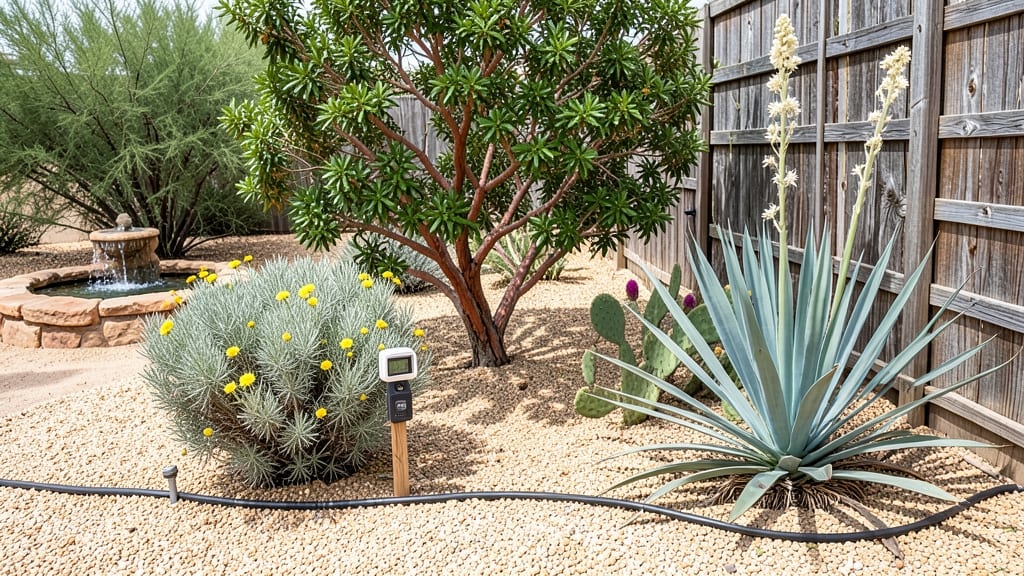
Arizona's gardening zones span USDA Hardiness Zones 4a to 11b, creating extreme growing conditions from high-elevation frost pockets to desert heat. Phoenix sits in Zones 9-10 for year-round tropical crops, while Flagstaff's Zones 6-7 demand careful timing for warm-season plants.
Arizona's dramatic elevation changes—from 2,000-foot desert basins to 8,000-foot mountain peaks—create microclimates where frost dates vary by 100+ days between neighboring valleys. 🌵 In the Sonoran Desert, Zone 11b's 365-day frost-free period lets citrus and bougainvillea thrive year-round, while Zone 7a's 150-day window in the White Mountains requires gardeners to time cool-season crops like broccoli for early spring.
The key? Check your specific elevation—even cities just 50 miles apart can have 3-zone differences.
For practical planning, I recommend using the USDA Plant Hardiness Zone Map alongside local frost records. For example, Phoenix's last spring frost typically occurs by March 15, while Tucson's is even earlier (February 28).
Mountain areas like Prescott (Zone 7a) often see frost until May 15, delaying planting until after Memorial Day. Always adjust for your microclimate—shaded desert yards may stay cooler than exposed slopes, while urban heat islands can push Zone 10 conditions into unexpected areas.
💡 In This Article
- How Arizona’s Climate Affects Plant Hardiness Zones
- Arizona Planting Calendar by Zone and Elevation
How Arizona’s climate affects plant hardiness zones
Arizona’s gardening zones are shaped by three dominant forces: elevation, urban heat islands, and seasonal monsoon patterns. The state’s dramatic topography—ranging from the Colorado Plateau’s 10,000-foot peaks to the Sonoran Desert’s 700-foot basins—creates temperature gradients where a 1,000-foot elevation gain can shift you two full USDA zones.
For example, Sedona’s Zone 7b sits just 30 miles from Phoenix’s Zone 10a, yet experiences 15°F colder winter lows due to higher elevation. 🌄
The urban heat island effect further complicates zone mapping. Cities like Phoenix and Tucson experience 5-10°F warmer nighttime temperatures than rural areas, pushing microclimates into higher zones. A backyard in central Phoenix might support Zone 10b plants (like date palms) while a nearby suburban neighborhood stays in Zone 9a.
Even the monsoon season—with its 30-50°F temperature drops in August—creates temporary "frost-like" conditions that can stress heat-sensitive plants like tomatoes.
What makes Arizona unique is how these factors interact with the state’s arid climate. The lack of moisture means temperature swings are extreme: desert floors can hit 110°F by day while mountain valleys drop to 20°F at night.
This creates "transition zones" where plants must tolerate both intense heat stress and cold snaps within the same growing season. For instance, a Zone 9b garden in Tucson might need winter protection for citrus trees while summer shade for heat-sensitive lettuce.
Elevation also dictates frost patterns. At 5,000 feet (like Flagstaff), frost can occur 120 nights annually, while at 2,000 feet (like Yuma), frost is rare (2-3 nights/year). The first frost in Prescott arrives by October 15, but in Phoenix, it’s a 1-in-10-year event.
This explains why high-desert areas grow cool-season crops (kale, spinach) in late summer, while lowland deserts focus on heat-tolerant varieties (okra, sweet potatoes).
For gardeners, this means zone maps are just a starting point. The real work is observing your specific microclimate: Is your yard sun-exposed or shaded? Is it near a heat-absorbing pavement? Does it get monsoon moisture?
These factors can shift your effective growing zone by 1-2 levels. For example, a Zone 10a yard in Phoenix might safely grow Zone 11a plants (like bougainvillea) if it has afternoon shade and consistent irrigation.
One often-overlooked factor is soil temperature. In Zone 9b Phoenix, soil may reach 105°F in July, while at Zone 7a Flagstaff, it stays below 75°F.
This affects seed germination timing—warm-season crops like beans need 60°F+ soil in Phoenix by March 1, but wait until May 15 in Flagstaff. The solution? Use a soil thermometer to verify conditions before planting.
Remember: Arizona’s zones aren’t static. Climate change is pushing Zone 10 conditions into what was previously Zone 9 territory, while mountain areas see longer frost-free periods.
Always check local cooperative extension service data for the most current planting guidelines—your grandmother’s gardening advice might not account for today’s shifting climate patterns! 🌡️