
Planting
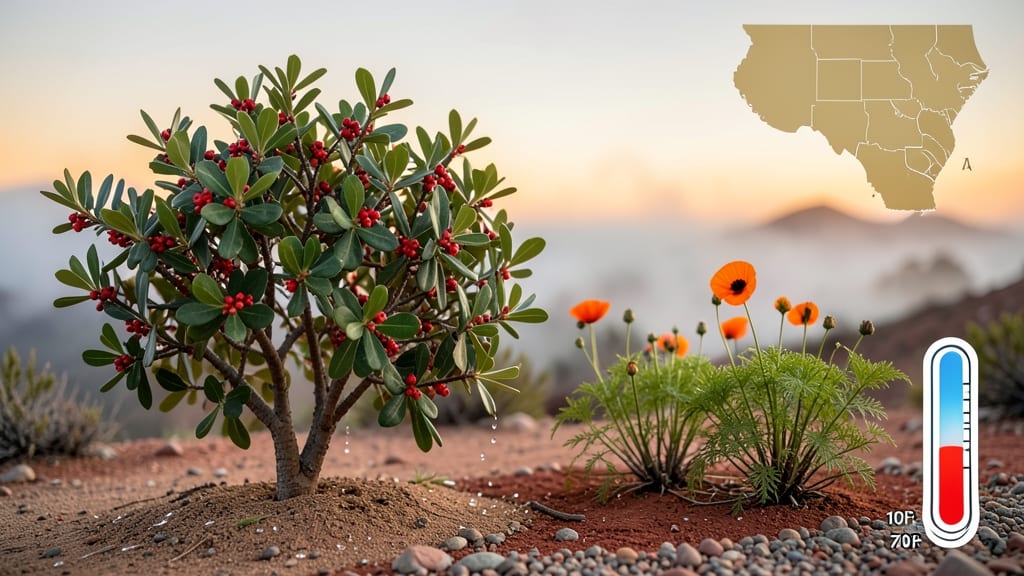
Understanding California gardening zones is essential because the state spans USDA Zone 4 in high mountain areas to Zone 11 in coastal deserts, with microclimates creating diverse growing conditions. Use the state’s hardiness map to select plants that thrive in your region’s specific temperature extremes and seasonal patterns.
California’s gardening zones aren’t just about numbers—they reflect dramatic shifts in climate from frost-prone Sierra Nevada peaks to frost-free coastal deserts. 🌵 For example, a Zone 9 garden in San Diego can grow citrus year-round, while a Zone 7 yard in Sacramento needs frost-tolerant roses.
Elevation changes can shift zones by 3-5 degrees within just 1000 feet, so your backyard might have two zones! The key is checking local frost dates and matching plants to your specific microclimate—whether that’s foggy coastal hills or inland valleys.
This variability means you’ll need to adjust planting schedules too. Zone 11 gardens in Palm Springs can grow tropical plants like bougainvillea year-round, while Zone 4 alpine gardens near Lake Tahoe require cold-hardy perennials.
Many nurseries now offer zone-specific plant guides, but I always recommend visiting your local extension office—they’ll have the most precise data for your exact location.
💡 In This Article
- How California’s Microclimates Affect Plant Hardiness Zones
- Best Plants for Each California Gardening Zone
How california’s microclimates affect plant hardiness zones
California’s dramatic topography creates microclimates where temperature can shift 10-15°F within just a few miles. The Sierra Nevada mountains reach Zone 4 where winter lows drop to -20°F, while coastal deserts stay in Zone 11 with no frost.
This happens because elevation changes air pressure and temperature gradients—every 1,000 feet up typically drops zones by 1-2 degrees. For example, a Zone 9 garden in Santa Barbara might experience morning fog that delays spring planting by 2-3 weeks compared to inland areas.
The Pacific Ocean creates another critical factor: coastal fog. Areas like Monterey and San Francisco experience "June Gloom" where temperatures stay 10-15°F cooler than inland locations just 50 miles away.
This coastal fog extends growing seasons by 4-6 weeks in spring and fall, allowing Zone 9 plants to thrive where inland Zone 7 gardens would struggle.
Meanwhile, inland valleys like the Central Valley can experience heat spikes over 100°F during summer, creating stress for heat-sensitive plants like tomatoes that prefer 70-85°F conditions.
Desert regions add another layer of complexity. Palm Springs in Zone 11 never sees frost, but summer temperatures can exceed 110°F, requiring shade-loving plants like agave or drought-tolerant succulents.
The key difference here is that while Zone 11 plants handle heat, they also need consistent moisture—something that contradicts the desert's natural dryness. This creates a paradox where irrigation systems become essential for Zone 11 gardens to maintain plant health during extreme heat.
What most gardeners don't realize is how wind patterns affect microclimates. Coastal areas experience stronger winds that can dry soil faster and increase evaporation rates by 30-50%. This means Zone 9 coastal gardens need 20-30% more water than inland Zone 9 areas.
The wind also creates "rain shadows" where mountains block moisture, creating desert conditions on leeward sides.
For example, the eastern slopes of the Sierra Nevada receive only 10 inches of rain annually compared to 40 inches on western slopes—explaining why Zone 7 gardens on the east side need completely different plant selections than Zone 8 gardens just 20 miles away on the west.
Soil composition plays its part too. The heavy clay soils of the Central Valley (Zone 7-8) hold moisture longer than sandy desert soils (Zone 10-11), affecting irrigation needs.
In clay soils, roots stay cooler during summer heat, while sandy soils heat up faster—sometimes reaching 120°F at surface level. This explains why cacti thrive in desert zones but would cook in Central Valley heat. The solution?
Mulching with 3-4 inches of organic matter can reduce soil temperature by 10-15°F and maintain moisture for 2-3 weeks longer.
To visualize these differences, imagine planting a lemon tree in Zone 10 coastal Malibu versus Zone 7 Sacramento. The coastal tree gets moderate summer watering and protection from afternoon sun, while the Sacramento tree needs drip irrigation and afternoon shade cloth during 90°F+ days.
Both locations have similar zones, but the microclimate creates completely different growing conditions. 🌿