
Advice
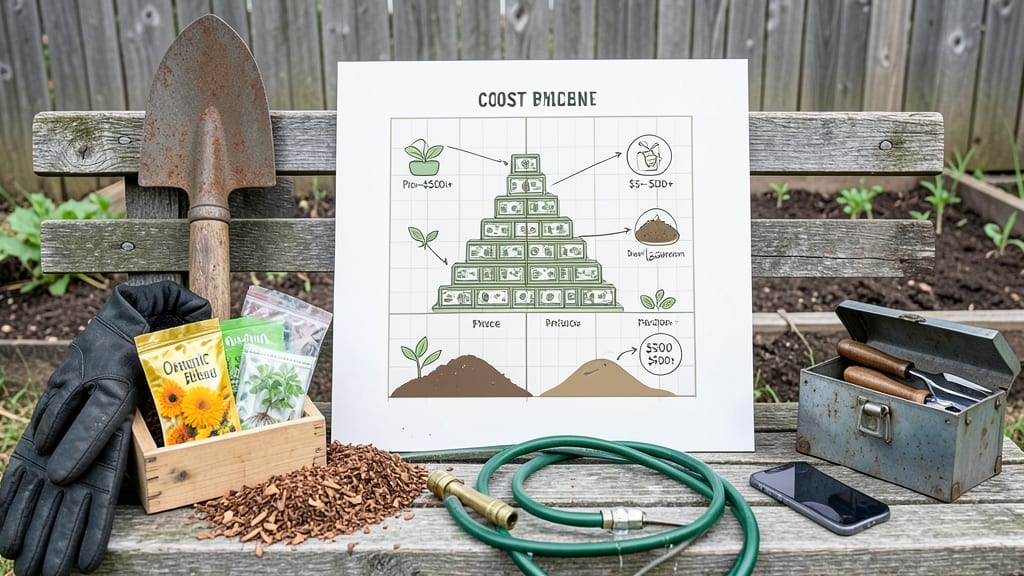
The average cost of creating a garden typically spans $500 to $5,000+, with urban backyard projects averaging $300–$1,000 and larger landscape designs often exceeding $10,000. Key expenses include soil preparation, plant materials, irrigation systems, and professional labor, all influenced by regional climate and material availability.
Planning your garden budget starts with understanding what drives these costs.
Soil amendments like compost or topsoil can add $100–$500 depending on your yard's quality, while drought-resistant plants in arid climates may cost more upfront but save water bills long-term. 🌱 I’ve seen labor rates vary wildly—urban areas often charge $50–$100/hour for landscapers, while rural regions might offer $30–$60/hour with similar expertise.
The biggest surprise? Irrigation systems can double your budget if you opt for automated drip lines instead of basic hoses.
For cost-conscious gardeners, prioritizing perennials over annuals and starting with container plants can cut initial expenses by 30–50%. I recommend visiting local plant swaps or checking for seasonal sales at nurseries—some offer 50% off on overstocked inventory.
Even small changes, like mulching with free yard waste instead of buying bags, add up over time.
💡 In This Article
- Factors That Influence Garden Costs by Region
- Budget-Friendly Garden Design Tips for All Sizes
Factors that influence garden costs by region
The biggest cost driver in any garden project is soil quality and preparation. If your yard has compacted or nutrient-poor soil, you'll likely need to bring in topsoil ($20–$50 per cubic yard) or compost ($10–$30 per bag).
In urban areas like New York City, soil amendments can cost 20–50% more due to transportation fees, while rural regions often have cheaper local sources. For example, a 10x10-foot raised bed might require 3 cubic yards of soil, adding $60–$150 to your budget before planting.
Climate dictates plant selection and long-term expenses too. In arid regions like Arizona, drought-resistant succulents and cacti (costing $5–$20 per plant) save water bills, while frost-prone zones in Minnesota may require heat-loving plants ($15–$50 each) or protective coverings ($20–$100 per season).
Labor rates also vary wildly: Urban landscapers charge $75–$120/hour in cities like Los Angeles, while rural contractors in Texas might bill $40–$70/hour for the same work. This can swing a 10-hour installation project from $750 to $1,200 in just one region.
Local nurseries play a surprising role in budgeting. Independent garden centers often sell plants 10–30% cheaper than big-box stores due to lower overhead, but their selection may be limited.
Chain stores like Home Depot offer seasonal sales (up to 50% off) on overstocked inventory, but shipping fragile plants adds $10–$50 per order.
In coastal areas, salt-tolerant plants (like sea oats) can cost $15–$40 each, while inland gardeners might spend $5–$15 on standard varieties. 🌿 These regional differences explain why a 500-square-foot garden in Florida might cost $1,200 while an identical plot in Colorado could reach $2,500.
Irrigation systems create another regional divide. Automatic drip systems ($1–$3 per square foot) are essential in California's Mediterranean climate but optional in rainy Pacific Northwest regions. A 1,000-square-foot garden with drip irrigation could cost $1,000–$3,000 in drought-prone areas versus $200–$500 for basic hoses in wetter climates.
Even mulch varies: Wood chips ($3–$5 per bag) are standard, but gravel ($2–$4 per bag) is preferred in desert gardens to reduce evaporation.
Don't overlook hidden regional costs like permits. Some cities charge $50–$200 for landscape permits, while others waive fees for small projects. In fire-prone areas like California, fire-resistant landscaping (using $25–$75 per plant native species) becomes mandatory, adding $500–$2,000 to large gardens.
Even tools vary: A high-quality shovel ($30–$50) might be a splurge in a city where renters dominate, but essential in rural areas where durability matters more.
Here's a quick regional cost comparison for a 500-square-foot garden:
- Urban Northeast: $1,500–$3,000 (high labor, expensive soil amendments)
- Suburban Midwest: $800–$2,000 (moderate costs, good local nurseries)
- Arid Southwest: $1,200–$3,500 (drought-resistant plants, irrigation systems)
- Pacific Northwest: $700–$1,800 (cheaper plants, less irrigation needed)
What most people don't realize is how these regional factors compound over time. A garden that costs $2,000 to establish in one area might require $500/year in maintenance (water, fertilizers, replacements) in a hot climate, while the same garden in a temperate zone could need just $200/year.
Planning for these long-term regional differences saves headaches—and money—down the road. 💰