
Orchid Care
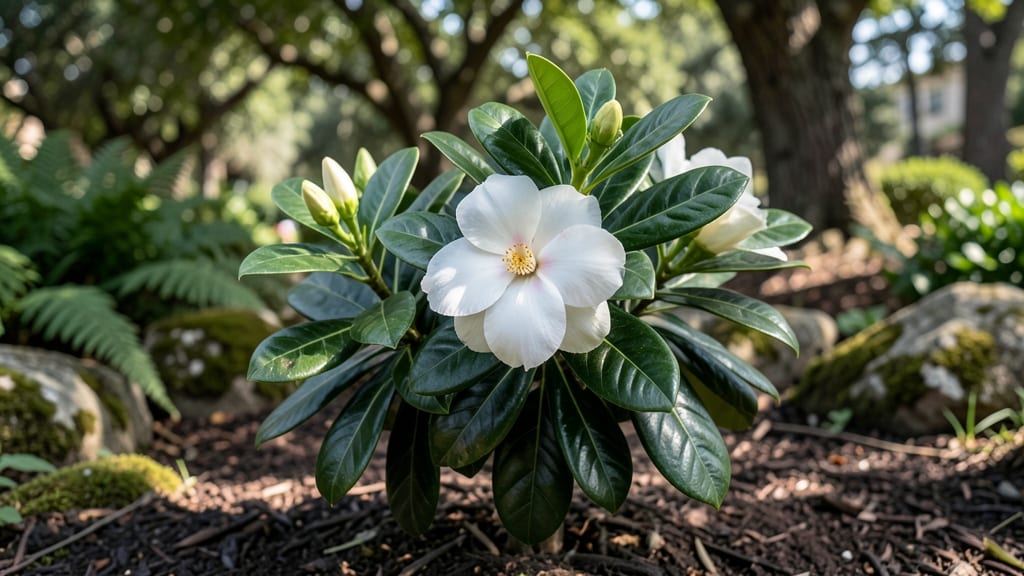
Gardenias are perennials in frost-free USDA Zones 7-11, thriving year-round when protected from freezing temperatures, but they're typically grown as annuals in colder regions where winter kills back their foliage.
Whether gardenias survive winter depends entirely on your climate zone.
In milder areas like Florida or Southern California, these glossy-leaved beauties establish deep root systems and return each spring with vibrant blooms. 🌸 However, gardeners in colder zones face a different reality—sub-freezing temps destroy their above-ground growth, forcing replanting each season.
The key difference lies in their root hardiness: while stems and leaves freeze, the roots often survive if insulated with thick mulch or protected by containers.
This perennial-annual distinction creates opportunities for creative gardening. For example, gardeners in Zone 6 can treat gardenias as semi-perennials by digging up potted plants before frost and storing them in unheated garages.
In contrast, Zone 8 gardeners might get away with minimal winter protection if planted in microclimates like south-facing slopes. The lifespan of gardenias—often 5-10 years in ideal conditions—can stretch dramatically with proper winter care, making them worth the extra effort for dedicated growers.
💡 In This Article
- Gardenia Hardiness Zones and Cold Tolerance Limits
- Year-Round Gardening Hacks for Gardenias in Cold Climates
Gardenia hardiness zones and cold tolerance limits
Gardenias (Gardenia jasminoides) are tropical shrubs that thrive in USDA Zones 7-11 because their delicate cell structure can't withstand prolonged exposure to temperatures below 28°F. The damage occurs at the cellular level: ice crystals form in the plant's vascular system, rupturing cell walls and blocking water transport.
This is why even a single hard freeze can kill back gardenias in colder regions, turning their lush foliage into a sad, brown skeleton by spring. 🌡️
Zone 7 represents the northern limit because it experiences the fewest freezing days annually—typically 5-10 nights below 28°F—while still maintaining enough warmth for gardenias to establish strong root systems. In contrast, Zone 6 sees 15-20 freezing nights, making gardenias unreliable as perennials without protection.
The key difference lies in their root hardiness: while stems and leaves freeze, the roots often survive if insulated with 4-6 inches of organic mulch (like shredded bark or pine needles) that acts like a thermal blanket.
What most gardeners don't realize is that gardenias can survive brief dips to 25°F if they're fully dormant, but the blooms and new growth are always the first casualties.
This is why gardeners in marginal zones (like parts of Zone 7) often see their plants return each spring—but only if they've been properly mulched and protected from wind chill.
The science here is fascinating: gardenias enter a semi-dormant state in winter, but their metabolic processes slow dramatically, making them vulnerable to rapid temperature swings.
For gardeners pushing the limits, greenhouse cultivation or microclimates can extend perennial potential. For example, planting gardenias against south-facing walls or in raised beds with black plastic mulch captures 5-10°F more heat than open ground.
Even in Zone 6, some growers successfully overwinter gardenias by covering them with burlap wraps and insulating them with straw—though the plants often need time to recover their vigor the following season.
Here's what happens when you ignore these limits: gardenias in unprotected Zone 6 gardens will die back completely, requiring full replanting each spring.
But in Zone 7, with proper winter care, they can live for 10-15 years, developing that classic glossy foliage and intoxicating white blooms that make them worth the effort. The trade-off?
More work in colder zones, but the reward is that first flush of spring blooms that makes it all worthwhile. 🌿
Advanced gardeners sometimes experiment with root division in fall to create multiple plants from one, which can help establish new gardenias faster.
The roots of mature gardenias can spread 3-4 feet wide, so careful digging and replanting can effectively "clone" your favorite specimen while giving you backup plants for winter protection experiments.