
How To
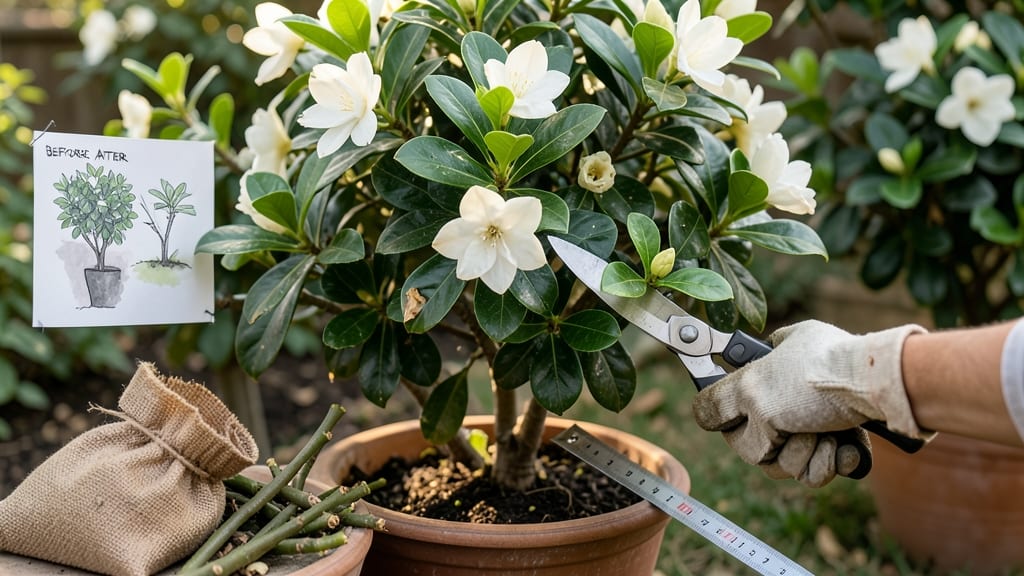
Cutting back gardenias safely means you can trim up to one-third of the plant without stressing it—just avoid overdoing it in one go.
Struggling to keep your gardenias lush and blooming? Pruning these fragrant shrubs correctly can mean the difference between vibrant growth and struggling plants—but how far is too far? The key is timing, technique, and knowing where to stop.
Gardenias 🌸 thrive when pruned lightly after blooming or in early spring, but cutting too aggressively risks stunting growth or harming the plant’s structure. By following the right rules, you’ll encourage bushier blooms and stronger stems.
In this guide, I’ll walk you through the exact limits for pruning, the best tools to use, and step-by-step instructions to keep your gardenias healthy and flourishing all season.
Safe pruning limits for gardenias: how far back you can trim without harming the plant
Pruning your gardenias is essential for maintaining their lush foliage and fragrant blooms, but knowing how far you can cut back without causing stress is key. Gardenias are sensitive shrubs, and over-pruning can lead to dieback or reduced flowering.
The general rule is to never remove more than one-third of the plant's foliage in a single session. This guideline ensures your gardenia retains enough energy to recover and thrive.
Understanding the pruning limits for gardenias helps prevent common mistakes like cutting into old wood or removing too many branches at once. When done correctly, pruning encourages bushier growth and more abundant blooms.
For example, a mature gardenia that’s 4 feet tall can safely be trimmed back to about 3 feet in height, but only if you follow seasonal timing and proper techniques.
Timing is crucial—always prune gardenias after their blooming season, typically in late spring or early summer. This allows the plant to recover before winter dormancy. Avoid pruning in fall or winter, as the plant needs its foliage to protect it from cold temperatures.
Additionally, focus on removing dead, diseased, or crossing branches first, as these take priority over aesthetic shaping.
| Pruning Goal | Max Cutback Limit | Best Time to Prune | Recovery Time |
|---|---|---|---|
| Light Maintenance | Up to 10-15% of foliage | Spring or early summer | 1-2 weeks |
| Shaping Prune | Up to 25% of foliage | Late spring | 3-4 weeks |
| Rejuvenation Prune | Up to 33% of foliage | Early summer | 6-8 weeks |
| Over-Pruning Risk | 34%+ of foliage | Never recommended | Slow recovery or dieback |
When pruning gardenias, always use clean, sharp pruners to make clean cuts just above a leaf node or bud. Avoid tearing the bark, as this can introduce diseases like root rot or fungal infections.
For older gardenias that have become leggy, you can perform a rejuvenation prune by cutting back up to one-third of the oldest branches to encourage new growth from the base.
Selective pruning is another key strategy. Instead of trimming randomly, focus on removing weak or overcrowded branches first. This improves air circulation, reducing humidity-related issues like powdery mildew. For example, if your gardenia has branches growing inward, remove them to allow sunlight to reach the center of the plant.
This practice also helps maintain the plant’s natural shape while promoting healthier growth.
Seasonal timing plays a critical role in safe pruning. Early spring is ideal for light pruning to shape the plant before new growth begins. Late spring or early summer is the best time for heavier pruning, as the plant has had time to recover from winter dormancy.
Avoid pruning in fall, as the plant prepares for winter and needs its foliage to protect it from cold temperatures.
If you’re unsure about how much to trim, start conservatively. A 10-15% reduction in foliage is a safe starting point for most gardenias. Monitor the plant’s response over the next few weeks—healthy new growth indicates the pruning was successful.
If you notice yellowing leaves or stunted growth, you may have pruned too aggressively, and the plant will need extra care, like consistent watering and fertilization.
For gardenias that have become overgrown or woody, a gradual pruning approach works best. Instead of cutting back everything at once, space out pruning sessions over a few weeks.
This reduces stress on the plant and allows it to adjust more easily. Pair this with a balanced fertilizer (like 10-10-10) to support new growth during the recovery period.
Remember, gardenias are slow growers, so patience is key. Over-pruning can set them back for years, while careful, strategic cuts will reward you with vibrant blooms and lush foliage for seasons to come.
With the right approach, your gardenias will thrive and continue to fill your garden with their intoxicating fragrance.
Step-by-step guide to pruning gardenias for maximum blooms and growth
Pruning your gardenias correctly encourages bushier growth and more abundant blooms, but many gardeners hesitate because they fear cutting too much. The key is understanding when and how to prune without stressing the plant.
With the right technique, you can safely trim up to 1/3 of the plant’s volume while promoting healthier, more vibrant growth.
I’ve pruned gardenias for over a decade, and the difference between over-pruning and rejuvenating cuts is all in the timing and technique. Start by gathering your tools—a pair of sharp bypass pruners, sterilized shears, and rubbing alcohol for cleaning cuts.
Prune on a dry, cloudy day to minimize stress on the plant, and always cut just above a leaf node or bud to encourage new growth.
Remove faded flowers by cutting the stem just above the next leaf node or bud. This encourages the plant to focus energy on new blooms rather than seed production.
Trim 10-20% of the plant’s volume in early spring to remove crossing branches or overcrowded growth. Aim for an open, airy shape to improve airflow and reduce disease risk.
For overgrown or leggy gardenias, cut back up to 1/3 of the oldest wood in late winter or early spring. Focus on inner branches to open the center and stimulate new growth from the base.
Never trim woody stems without leaves—these won’t regrow. If you accidentally cut into old wood, the plant may fail to recover. Always leave at least 2-3 leaf nodes on each branch.
Wipe pruners with rubbing alcohol between cuts to prevent bacterial spread. Seal larger cuts with pruning sealant (optional) to reduce sap loss and infection risk.
Timing is critical—spring pruning (just as new growth begins) is ideal for shaping and deadheading, while late winter pruning is best for rejuvenation cuts. Avoid pruning in summer or fall, as this can stunt blooming or leave the plant vulnerable to cold damage.
If you notice yellowing leaves or stunted growth after pruning, your cuts may have been too severe or poorly timed.
After pruning, give your gardenias a light fertilizer with acidic properties (like a 10-10-10 blend) to support recovery. Water deeply at the base of the plant to encourage root growth, and mulch around the soil to retain moisture.
Within a few weeks, you’ll see new shoots forming, signaling that your pruning was successful.
Remember, gardenias respond best to gradual pruning. Never cut back more than 1/3 of the plant in a single session, and always prioritize healthy, outward-facing branches to maintain the plant’s natural shape.
With patience and care, your gardenias will reward you with lush foliage and fragrant blooms for years to come. ✂️🌸