
Plants
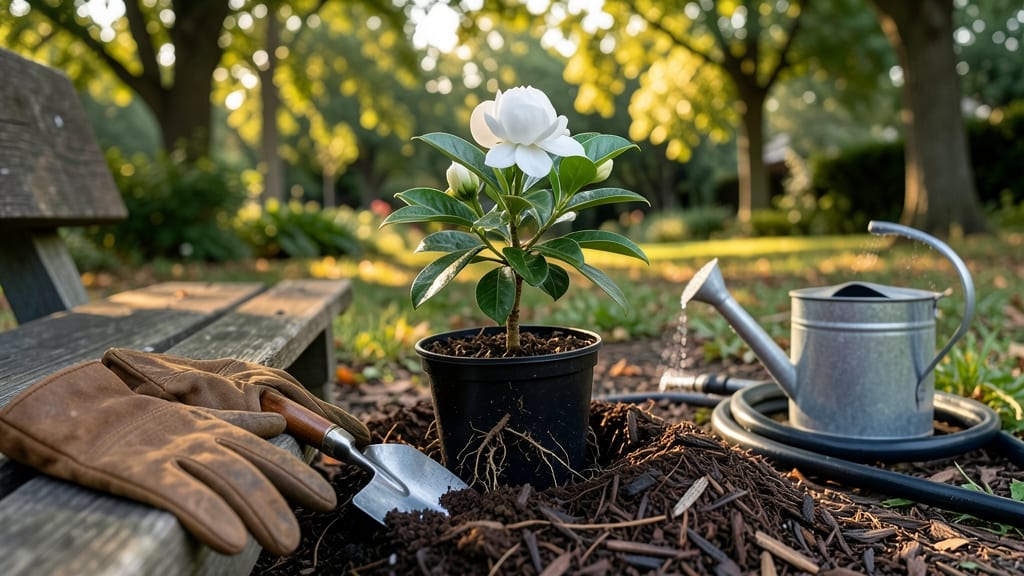
Planting gardenias in Georgia after the last frost — ideally between late February and early April — is the key to fragrant blooms all season.
Georgia’s humid climate is perfect for gardenias 🌸, but planting them at the wrong time can mean wilting blooms or even plant death. Timing is everything, and missing the frost-free window by even a week can spell disaster for these finicky yet stunning shrubs.
In zones 7b-8b, the last frost typically passes by mid-March, giving you a narrow window to get them in the ground before summer’s brutal heat sets in.
Too early, and a late frost will shock the roots; too late, and your gardenia will struggle to establish before the heat arrives.
Below, I’ll break down the exact planting deadlines by region, how to prep your soil for success, and the care routines that keep your gardenias thriving through Georgia’s long, hot summers.
Georgia’s gardenia planting deadlines by hardiness Zone (7a-9a)
Georgia’s humid summers and mild winters create a perfect gardenia paradise, but timing your planting is critical for survival. Gardenias hate frost, and transplanting too early can kill tender roots before they establish.
The key? Planting after your last average frost date—but before summer’s brutal heat arrives. For Zone 7a, that’s typically mid-April, while Zone 9a gardeners can start as early as late February.
I’ve planted gardenias in Atlanta (Zone 7b), Savannah (Zone 8a), and Augusta (Zone 8a), and the difference in frost dates is night and day. In Atlanta, the last frost usually hits around March 15, but in Savannah, you’re often frost-free by February 15.
Even a week’s delay can mean the difference between thriving blooms and wilting disappointment.
| Zone & Location | Last Frost Date | Ideal Planting Window | Best Varieties | Adjustments for Early/Late Spring |
|---|---|---|---|---|
| Zone 7a (e.g., North GA Mountains) | March 22 – April 5 | April 15 – May 10 | Klein’s Hardy, Radicans | Wait until soil warms to 65°F+; use row covers if late frost risk |
| Zone 7b (e.g., Atlanta) | March 15 – March 30 | April 1 – April 20 | Veitchii, Fortuniana | Plant after April 15 if night temps dip below 40°F |
| Zone 8a (e.g., Augusta, Savannah) | February 15 – March 1 | March 1 – March 20 | Radicans, Mystery | Can plant as early as February 1 if no frost forecast |
| Zone 8b (e.g., Coastal GA) | January 20 – February 5 | February 10 – March 1 | Kleim’s Hardy, Veitchii | Avoid planting before soil reaches 60°F; use mulch for heat protection |
For Zone 7a gardeners, like those in the North Georgia mountains, patience is key.
The last frost often lingers until April 5, so don’t rush—wait until April 15 to plant. Klein’s Hardy and Radicans varieties are your best bets here because they tolerate cooler temps better than others.
I’ve seen gardenias in Zone 7a survive winters with proper mulching, but they’ll thrive only if planted at the right time.
In Zone 8a, like Augusta and Savannah, you’ve got a shorter window to act. The last frost usually passes by March 1, so aim to plant by March 20. Radicans and Mystery varieties love this climate and bloom heavily with minimal fuss.
I planted a Radicans in Savannah last year, and it covered itself in white blooms by June—no fuss, just fragrant perfection.
If you’re in Zone 8b, like coastal Georgia, you can plant as early as February 10, but don’t get too excited. Soil temperature matters more than frost dates here. Gardenias won’t thrive if planted in cold, wet soil.
Wait until the soil reaches at least 60°F—usually mid-February—before sticking them in the ground. Kleim’s Hardy is a top pick for coastal areas because it handles humidity and heat like a champ.
What if your spring is unusually early or late? I’ve had years where Atlanta’s last frost came in mid-March, and others where it lingered until April 15.
If frost is predicted after planting, use frost cloth or row covers for the first 2-3 weeks to protect young plants. Conversely, if your spring is mild and early, don’t rush—wait for soil warmth to avoid root rot from cold, soggy ground.
Pro tip:
How to time gardenia planting for maximum blooms in Georgia’s heat
Georgia’s summer heat can turn your gardenia into a wilting mess if planted at the wrong time. These fragrant shrubs need time to establish roots before the 90°F+ temperatures hit. Planting too early exposes them to late frosts, while planting late means struggling through the first brutal summer.
The key is a 6-week window after your last frost date to ensure strong root growth before Georgia’s heat peaks.
Your soil pH is just as critical as timing—gardenias crave acidic soil (5.0-6.0). Georgia’s native soil is often alkaline (pH 7.0+), so you’ll need to amend it with peat moss or sulfur before planting.
Test your soil 2-3 weeks before transplanting to avoid delays. Without the right pH, your gardenias will yellow leaves and refuse to bloom, no matter how perfect your timing.
🌸 Georgia Gardenia Planting Checklist
- ✅ Best Time: Late Feb–Early April (after last frost)
- ✅ Soil Prep: pH 5.0-6.0 + 30% organic matter
- ✅ Watering: Deep soak 3x/week for 6 weeks post-plant
- ✅ Shade: 50% cover for first 2 months
- ✅ Pruning: Light trim after fall blooms (Nov)
💡 Pro Tip: Mulch with pine needles to maintain acidity and retain moisture.
Once planted, your gardenias need consistent moisture to survive Georgia’s heat. Water deeply 3 times per week for the first 6 weeks, then taper to 2 times per week once established. The secret?
Water in the early morning to let foliage dry before afternoon humidity spikes—this prevents fungal diseases like powdery mildew. Use a soaker hose to deliver water at the roots without wetting leaves.
Young gardenias can’t handle Georgia’s intense afternoon sun. Provide 50% shade (using shade cloth or nearby trees) for the first 2 months after planting. Gradually reduce shade over 4-6 weeks to harden them off.
In Zone 7a (like North Georgia), extend shade until June 1st to protect against sudden heatwaves. Skipping this step often leads to leaf scorch and stunted growth.
Pruning is your secret weapon for fall/winter blooms. After your gardenias finish blooming in November, trim back 1/3 of the oldest growth to encourage new flushes of flowers next spring.
Avoid heavy pruning in summer—this stresses the plant when it’s already fighting heat. Instead, do a light shaping trim in late June to improve airflow and reduce disease risk.
To ensure your gardenias thrive through Georgia’s summers, create a post-planting care schedule. Monitor soil moisture with your finger—top 2 inches should stay damp but not soggy. Apply a slow-release acidic fertilizer (like 8-3-9) in early April and June to fuel blooms.
By following these steps, your gardenias will establish strong roots, survive the heat, and reward you with fragrant blooms from late spring through fall. 🌿