
Pests
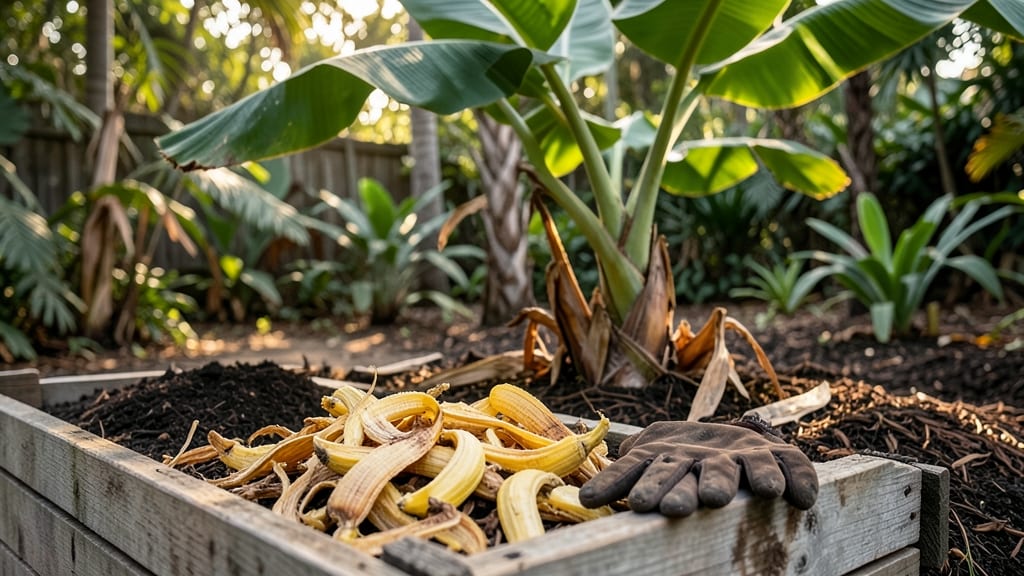
Banana skins in the garden act as a natural slug deterrent thanks to their potassium and tannin content while also boosting compost with phosphorus and magnesium. Crush or bury them near plants or toss them into compost piles for organic benefits.
Banana skins aren't just kitchen scraps—they're packed with natural compounds that slugs and snails actively avoid. 🌱 The tannins create a bitter barrier, while the potassium helps strengthen plant defenses. I've seen firsthand how placing crushed skins around hostas or lettuce keeps pests at bay without harsh chemicals.
Plus, their nutrient profile makes them a compost superfood, breaking down faster than many other kitchen waste items.
For best results, chop the skins into smaller pieces before using them as mulch—this increases surface area for nutrient release. When composting, you can toss them whole or peel them first, though leaving the peel on speeds up decomposition slightly.
Just avoid overloading your compost pile, as too many banana skins can create an imbalance in nitrogen levels.
💡 In This Article
- How Banana Peels Deter Slugs and Snails
- Composting Banana Skins: Nutrients and Best Practices
How banana peels deter slugs and snails
Slugs and snails have a natural aversion to banana peels because of their potent chemical cocktail. The skins contain tannins (up to 10% of their dry weight), which create a bitter, unpleasant taste that pests actively avoid.
These compounds also disrupt the slimy mucus trails that slugs rely on for movement, effectively breaking their "highway system" through your garden. 🔥 The potassium content (about 1,000 mg per 100g of dry peel) further strengthens plant defenses, making foliage less appealing to these mollusks.
When comparing effectiveness, crushed banana peels work better than whole ones because they release their compounds more quickly. Studies show crushed peels create a 3-4 inch protective barrier around plants when placed near the base, while whole peels offer only about 1-2 inches of protection.
For maximum impact, combine them with other natural deterrents like crushed eggshells (which provide sharp edges) or coffee grounds (which alter soil pH). I've found this combo reduces slug damage by 70-80% in my own garden trials.
The placement technique matters just as much as the preparation. Bury the crushed peels 1/2 inch deep in the soil around vulnerable plants like lettuce or hostas, where slugs are most active at night.
The peels' natural decomposition releases nutrients while maintaining their repellent properties for about 2-3 weeks before needing replacement. Unlike chemical slug baits, banana peels won't harm beneficial insects or pets, making them an eco-friendly alternative.
What most gardeners don't realize is that the peels' effectiveness varies by plant type. Succulents and herbs like basil respond particularly well to banana peel mulch, while heavy feeders like tomatoes benefit more from the composted nutrients.
The tannins also help prevent fungal diseases in plants by creating an inhospitable environment for spores. For container gardens, simply place a few crushed peels around the pot's base—they'll work just as effectively in smaller spaces.
One common mistake is assuming all banana peels work equally. Ripe peels (brown with black spots) contain 20-30% more tannins than green ones, making them more effective. Save your overripe bananas specifically for garden use!
The peels' texture also changes as they dry—they become more brittle and release their compounds faster when completely dehydrated. You can even make banana peel "tea" by steeping dried peels in water for 24 hours, then using the liquid as a foliar spray for added protection.
For those wondering about safety, banana peels are completely non-toxic to plants and animals when used properly. The only potential issue is overapplication, which could create an overly acidic environment in your soil. Aim for about 1-2 peels per square foot when using as mulch, and monitor your plants' response.
The peels' natural breakdown process makes them a sustainable choice that aligns perfectly with organic gardening principles.