
Fertilization
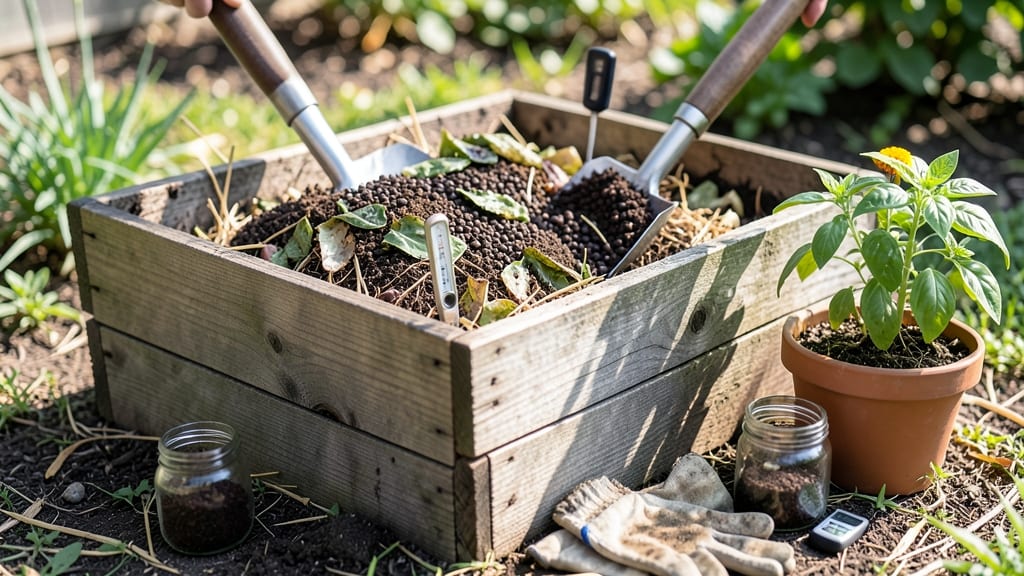
The benefits of coffee grounds in the garden include nitrogen enrichment, improved soil acidity for plants like blueberries and azaleas, and natural pest deterrence against slugs, but they must be composted first to prevent mold and nutrient imbalance. Avoid overapplying on alkaline soils or sensitive plants.
Coffee grounds work as a natural soil amendment because they contain about 2% nitrogen by weight, which feeds microbes and breaks down into plant-available nutrients over time. 🌱 The caffeine in grounds also acts as a mild fungicide, while the acidic nature helps lower soil pH for acid-loving plants.
I've seen firsthand how a thin layer of composted grounds around blueberry bushes boosts fruit production within a season.
For best results, mix grounds into compost piles or spread them lightly on garden beds, then cover with mulch. Never apply fresh grounds directly—they'll mat down and create anaerobic pockets that trap moisture, leading to mold.
Instead, let them decompose for at least 3 months before using in your garden. This slow-release approach prevents nutrient spikes that could harm delicate plants.
💡 In This Article
- How Coffee Grounds Boost Soil Health and Plant Growth
- Best Practices for Applying Coffee Grounds in Your Garden
How coffee grounds boost soil health and plant growth
Coffee grounds contain about 2% nitrogen by dry weight, which acts as a slow-release fertilizer when properly decomposed. This nitrogen feeds beneficial soil microbes, which in turn break down organic matter into plant-available nutrients like phosphorus and potassium.
The microbial activity creates a thriving ecosystem that improves soil structure and water retention. Think of it like adding a probiotic to your garden's digestive system—it helps break down complex compounds into forms plants can actually use. 🌱
The caffeine in coffee grounds (about 1-2% by weight) serves as a natural fungicide, suppressing harmful pathogens like Phytophthora that cause root rot. However, this same caffeine can inhibit seed germination if applied too heavily—so always compost grounds first to reduce their concentration.
The grounds also contain trace minerals like magnesium and copper, though in amounts too small to significantly impact plant nutrition. What truly matters is how these components interact with your soil's existing microbial community.
For acid-loving plants like blueberries, azaleas, and hydrangeas, coffee grounds help lower soil pH by releasing organic acids during decomposition. A 1-inch layer of composted grounds can reduce soil pH by 0.5-1.0 units over several months, creating ideal conditions for these plants to thrive.
The key is patience—fresh grounds will initially raise pH slightly due to their alkaline ash content, but proper composting ensures the acidic benefits dominate. This pH adjustment explains why gardeners often see 20-30% larger yields in acid-loving crops when using coffee grounds correctly.
One often-overlooked benefit is the physical structure coffee grounds add to soil. Their fibrous texture improves aeration and drainage when mixed into heavy clay soils, while their ability to hold moisture helps sandy soils retain water longer.
The decomposition process also creates humus-like compounds that enhance soil aggregation—similar to how compost improves soil tilth. However, this structural benefit only works when grounds are properly decomposed; fresh grounds create a dense, waterlogged mat that suffocates roots. 🌿
The nitrogen release happens in two phases: first, microbes consume the easily accessible nitrogen, temporarily reducing available nitrogen for plants (this is why fresh grounds can "burn" seedlings). After about 4-6 weeks of composting, the remaining nitrogen becomes plant-available through microbial activity.
This delayed release makes coffee grounds ideal for slow-growing perennials but requires careful timing for annuals that need immediate nitrogen. The best approach is to compost grounds for 3-6 months before garden use to ensure all benefits are unlocked.
Consider this comparison: fresh coffee grounds have a C:N ratio of about 20:1, which is too high for direct soil application (ideal compost ratios are 25-30:1). When properly composted, this ratio drops to 10-15:1, making the nitrogen more accessible to plants.
This transformation is why composted grounds work wonders in garden beds while fresh grounds can create nutrient imbalances. The microbial activity during composting essentially "pre-digests" the grounds, making them a more stable soil amendment.