
Fertilization
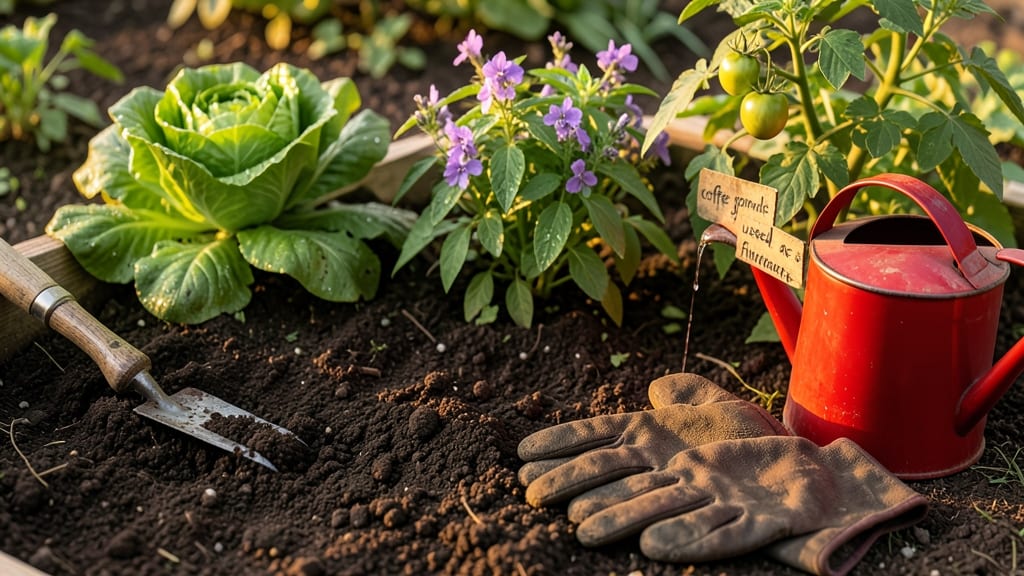
Using coffee grounds in the vegetable garden provides a nitrogen-rich fertilizer that improves soil health, but improper use can disrupt pH balance or attract pests. Spread sparingly as mulch or compost for best results.
Coffee grounds work as a natural soil amendment because they're packed with nitrogen, which plants crave for leafy growth. 🌱 However, they're acidic—so mixing them into alkaline soils can throw off pH balance, harming sensitive crops like tomatoes.
I've found that using them as mulch (about 1 inch spread around plants) or composting them first gives plants the benefits without the risks. The key is moderation—too much can actually stunt growth by creating a nitrogen burn effect.
For best results, pair coffee grounds with other compost materials like yard waste or kitchen scraps to neutralize acidity. Acid-loving plants like blueberries and hydrangeas actually thrive with them, while others may need a more balanced approach.
Always let grounds decompose for at least 2-3 months before direct soil application to prevent pest attraction.
💡 In This Article
- How Coffee Grounds Benefit Soil and Plant Growth
- Best Practices for Applying Coffee Grounds to Vegetable Gardens
How coffee grounds benefit soil and plant growth
Coffee grounds are a powerhouse of nutrients for vegetable gardens because they contain approximately 2% nitrogen by weight—about half the nitrogen content of fresh grass clippings but more concentrated than many other organic wastes.
When these grounds decompose, they release nitrogen in a form that plants can absorb, promoting lush foliage and vigorous growth.
The process works because nitrogen is a key component of chlorophyll, the green pigment that drives photosynthesis, so adding grounds can give your plants that extra boost they need for leafy production.
Beyond nitrogen, coffee grounds also stimulate microbial activity in the soil. The grounds provide a food source for beneficial bacteria and fungi, which break down organic matter and create nutrient-rich humus.
This microbial activity improves soil structure by binding particles together, creating pore spaces that allow air and water to penetrate more easily. Think of it like adding a probiotic to your garden—it helps create a thriving ecosystem that supports plant roots.
Studies show that soils amended with coffee grounds can see up to a 30% increase in microbial biomass within just a few weeks.
The organic matter from coffee grounds also enhances soil moisture retention. The fibrous texture of used grounds creates a sponge-like layer that holds water near plant roots, reducing the need for frequent watering. This is particularly valuable in sandy soils that drain too quickly or clay soils that repel water.
For example, I've noticed that tomato plants grown in coffee-ground-amended soil stay hydrated longer, even between waterings, because the grounds help create a microclimate that retains moisture while still allowing excess water to drain away.
However, the biggest benefit—and potential risk—comes from the acidity of coffee grounds. Fresh grounds have a pH of about 4.8-6.0, which is acidic enough to lower soil pH over time.
While this is great for acid-loving plants like blueberries or hydrangeas, it can be problematic for vegetables that prefer neutral to slightly alkaline soils, such as tomatoes, peppers, and beans.
The key is to monitor your soil's pH and adjust accordingly—perhaps by mixing coffee grounds with lime or wood ash to balance the acidity before applying them to the garden.
When compared to other organic fertilizers, coffee grounds fall somewhere in the middle. They provide less immediate nitrogen than fresh manure (which can have up to 0.5% nitrogen by weight) but more than composted leaves or straw.
The advantage is their accessibility—most households generate coffee grounds daily, making them a free and sustainable resource. Just remember that their benefits are long-term; they need time to decompose and integrate into the soil ecosystem before they become fully effective.
One often-overlooked benefit is the aroma coffee grounds add to the garden. The earthy, slightly sweet scent can deter some pests while attracting beneficial insects like earthworms, which aerate the soil and improve its fertility.
It's a subtle but noticeable difference when working in a garden that regularly receives coffee-ground amendments. The combination of improved soil structure, enhanced microbial activity, and natural pest deterrence makes coffee grounds a versatile addition to any vegetable garden—when used correctly.