Tools
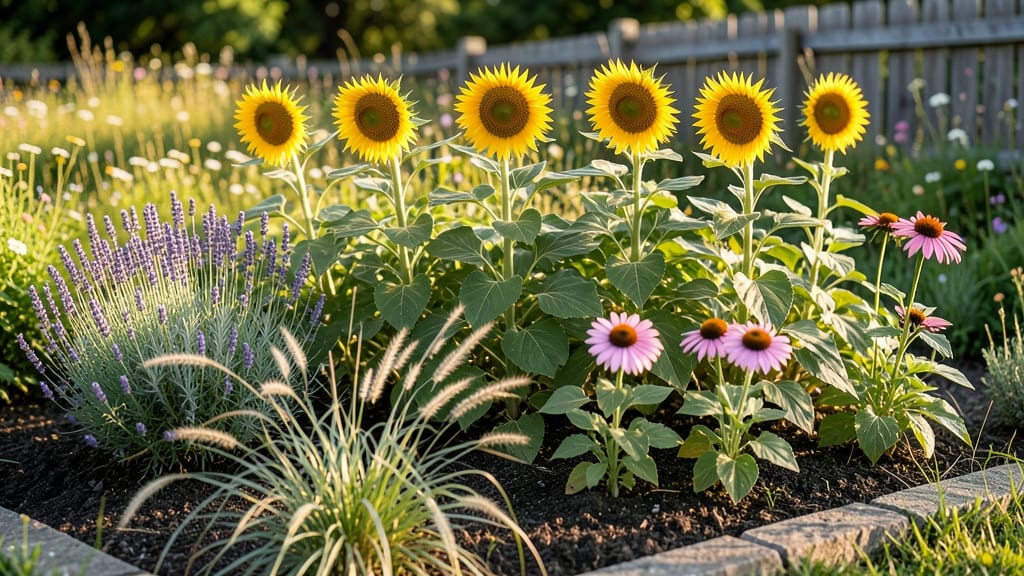
The best place for a garden depends on sunlight, soil, and space — three factors that can turn a patch of dirt into a thriving oasis or a frustrating experiment.
Struggling to decide where to plant your garden? The right location can mean the difference between a thriving harvest and wasted effort. Whether you're working with a sunny backyard, a shady balcony, or a tiny urban plot, every spot has hidden strengths and weaknesses.
Sunlight is the most critical factor — most vegetables and flowers need at least 6 hours of direct light daily, while others thrive in partial shade. But it’s not just about the sun; soil quality, drainage, and even wind patterns can make or break your garden’s success.
In this guide, I’ll break down the top spots for a garden, how to assess sunlight patterns, and the sneaky details (like wind exposure and neighborhood rules) that often get overlooked. By the end, you’ll know exactly where to dig — and what to plant there.
How sunlight exposure affects garden placement and plant growth
Sunlight is the most critical factor in determining where to place your garden. Full sun, partial shade, and full shade zones create entirely different growing conditions. Tomatoes and peppers thrive in 6+ hours of direct sun, while hostas and ferns prefer 4 or fewer hours.
Misplacing plants can lead to stunted growth, poor yields, or even plant death.
Before planting, I map my yard’s sunlight patterns by observing sunlight shifts throughout the day. South-facing areas in the Northern Hemisphere get the most sun, while north-facing spots remain shady. Seasonal adjustments are key—what’s full sun in summer may become partial shade in winter due to lower sun angles.
Here’s how to assess your garden’s sunlight exposure:
For northern hemisphere gardens, summer sun peaks in the south, while winter sun is lower and weaker. I adjust by planting winter-hardy crops like kale or spinach in sheltered, south-facing spots to maximize weak winter sunlight.
In the southern hemisphere, the opposite applies—north-facing areas get the most sun year-round.
Use reflective surfaces like light-colored walls or gravel to bounce extra sunlight into shady areas. This trick works wonders for container gardens on patios or balconies. For example, placing a mirror or white fence behind a partial-shade plant can boost its growth by 30-50%.
If your yard has obstructed sunlight (e.g., tall trees or buildings), create microclimates by grouping plants with similar needs. Dwarf varieties of sun-lovers, like bush beans or patio tomatoes, thrive in 4-5 hours of sun and work well in partial-shade spots.
Seasonal shifts matter too. A spring-planted tomato may start in partial shade but needs full sun by midsummer. I mark my garden with stakes or flags to track sunlight changes and adjust mulch or shade cloth as needed.
For container gardens, mobility is key. Move pots throughout the day to follow the sun—morning sun for delicate flowers and afternoon shade for heat-sensitive herbs. This flexibility ensures even small spaces can grow a diverse, productive garden.
Remember, overwatering in full sun causes root rot, while underwatering in shade leads to wilting. Always match watering schedules to your plant’s light exposure. A simple rule: Sunny plants need more water, but shade plants need consistent moisture.
Start small by testing a 10x10 ft plot in different sunlight zones before committing to a full garden. This lets you see how plants perform without risking your entire harvest. Happy planting! 🌱☀️
Top 5 ideal garden locations ranked by productivity and ease of maintenance
Choosing the right spot for your garden isn't just about available space—it's about maximizing productivity while minimizing maintenance. Whether you have a sprawling backyard or a tiny balcony, each location offers unique advantages.
Let's explore the top 5 spots ranked by their balance of yield, accessibility, and cost-effectiveness.
Your backyard remains the gold standard for most gardeners, offering unlimited space and natural sunlight. It's ideal for growing vegetables, fruits, and even small trees.
However, it requires more initial setup and ongoing care compared to other options. The trade-off? Higher productivity and flexibility to experiment with larger plants.
🌱
Balcony gardens are perfect for urban dwellers with limited space. They excel in ease of maintenance and flexibility, allowing you to grow herbs, leafy greens, and compact vegetables.
The downside? Limited sunlight exposure unless positioned optimally. A south-facing balcony gets the most sunlight hours, making it ideal for sun-loving plants like tomatoes and peppers.
Container gardens offer a middle ground between backyard and balcony options. They're highly portable and work well for herbs, flowers, and small vegetables. The key is choosing the right container size—larger pots support bigger plants like bush beans or dwarf tomatoes.
Just ensure containers have proper drainage holes to prevent root rot.
Community garden plots provide shared resources and expertise from fellow gardeners. They're cost-effective and often include irrigations systems and soil amendments. However, they require coordination with others and may have plot size limitations.
Perfect for beginners or those who want to grow larger crops like squash or corn without the backyard commitment.
Vertical gardens maximize space in small areas using walls or trellises. They're ideal for climbing plants like cucumbers, pole beans, or ivy. This method reduces ground space needs and can improve air circulation, but it requires more frequent watering and structural support.
A well-designed vertical garden can double your growing area in tight spaces.
For maximum productivity, backyard gardens win, but they demand the most effort. If you prioritize low maintenance, balcony or container gardens are excellent choices. Consider your time commitment, space constraints, and plant preferences when selecting the best spot—your future harvest depends on it!