
Pruning
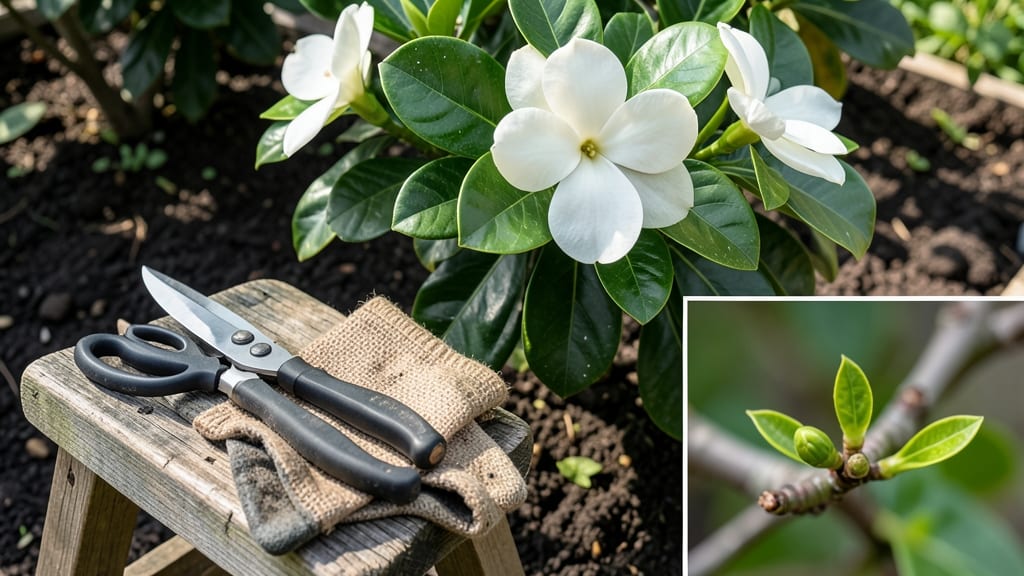
Trimming gardenias at the right time ensures late spring blooms without sacrificing next year’s flowers—something every gardener wants but few get right.
Picture this: you’ve spent months nurturing your 🌸 gardenias, only to prune too late and watch them struggle to rebound. Or worse, you trim at the wrong time and end up with a shrub that looks like it’s missing its top.
The key to avoiding these mistakes? Knowing the best time to trim gardenias—and it’s not when most people think.
In General (USDA Zones 7-10), the ideal window is right after flowering, typically in late spring or early summer. This timing encourages new growth while protecting the buds that will bloom next season.
But here’s the catch: tropical climates and cooler zones have different rules, and cutting too early or too late can stunt your plant’s potential.
Below, I’ll break down the exact timing for your climate, step-by-step pruning techniques, and the three critical mistakes that turn healthy gardenias into sad, bare branches. Ready to keep your shrubs lush and blooming?
Optimal pruning windows for gardenias: when to trim for maximum blooms
Gardenias reward patience with their intoxicating blooms, but timing your pruning is everything. Cut too early, and you risk sacrificing next year's flowers. Trim too late, and your shrub may look overgrown or stressed.
The key lies in aligning your shears with the plant's natural growth cycle—specifically after its late spring blooms fade but before summer heat sets in.
Research shows gardenias bloom on old wood, meaning last year's growth produces this year's flowers. Pruning at the wrong time can remove next season's buds, leaving you with sparse foliage and fewer fragrant blooms.
In warmer USDA Zones 9-10, where gardenias thrive year-round, timing shifts slightly compared to cooler Zones 7-8.
Here’s the science-backed breakdown: Prune gardenias 4-6 weeks after flowering (typically May-June in most regions) to allow new growth to harden before winter.
In tropical climates, a light trim after blooms ensures continuous flowering, while cooler zones benefit from a second pruning in early spring to shape and remove dead wood.
🌿
| Climate Zone | Best Pruning Window | Key Trigger | Avoid Cutting |
|---|---|---|---|
| USDA Zones 9-10 (Tropical) | May-June (after blooms) + light trim in September | New green leaves appear post-flowering | Winter (dormancy period) |
| USDA Zones 7-8 (Temperate) | Late May-Early June + early spring (March) | After last frost, before buds swell | Summer (stress from heat) |
| Containers (All Zones) | June-July (after blooms) + shape in spring | Potted plants bloom earlier; trim when flowers fade | Fall (root-bound stress) |
In tropical regions, gardenias often bloom year-round, but the heaviest flowering occurs in late spring. This is your cue to prune—once the blooms fade and new green growth emerges. A second light trim in early fall (September) can encourage a smaller flush of flowers before winter.
For cooler climates (Zones 7-8), the timeline shifts slightly. Prune in late May or early June to avoid cutting into next year’s flower buds. A second pruning in early spring (March) helps remove dead wood and shapes the shrub before the growing season peaks.
This two-step approach ensures your gardenia stays compact and blooming.
Potted gardenias follow similar rules but require earlier attention. Since they bloom slightly ahead of in-ground plants, trim them 4-6 weeks after flowers fade—usually June-July. Containers also benefit from a spring shaping trim to maintain their size and encourage airflow, reducing fungal risks.
Watch for these readiness signs before pruning: healthy green leaves emerging after blooms, no visible pests, and stems that snap cleanly (not brittle). If you see yellowing leaves or weak growth, wait—your gardenia isn’t ready yet.
Over-pruning at the wrong time can stress the plant, leading to fewer blooms next season.
Pro tip: Use sterilized shears and cut just above a leaf node at a 45-degree angle to promote faster healing. This small detail makes a big difference in how quickly your gardenia recovers and prepares for next year’s blooms.
Timing your pruning isn’t just about aesthetics—it’s about preserving flower production. By aligning your cuts with the plant’s natural cycle, you’ll enjoy lush foliage and abundant blooms for years to come. 🌸
Step-by-step gardenia pruning guide: how to trim without killing flowers
Pruning your gardenias might seem intimidating, but with the right approach, you can encourage more blooms while keeping your shrub looking its best. The key is to trim at the right time and use the correct techniques to avoid stressing the plant.
I’ve learned that gardenias respond best to light, strategic pruning—never more than one-third of the plant at once. This guide will walk you through the process, from gathering tools to making clean cuts.
Before you start, know that gardenias bloom on new wood, meaning they produce flowers on the current year’s growth. Cutting back too much or at the wrong time can reduce next year’s blooms.
I always wait until after the spring flowering cycle has finished—usually in late spring or early summer—before touching my gardenias. This timing ensures the plant has already set buds for the next season.
Step-by-Step Gardenia Pruning Guide
- 1 Gather your tools: You’ll need sharp, clean pruning shears, gloves, and disinfectant (like rubbing alcohol) to prevent spreading disease.
- 2 Remove dead or diseased branches: Look for brown, crispy, or moldy stems and cut them back to healthy green wood. This step keeps your gardenia healthy and prevents pests.
- 3 Shape the shrub: Trim back overly long branches to maintain a balanced shape. Cut just above a leaf node or outward-facing bud to encourage new growth in the right direction.
- 4 Avoid cutting into old wood: Gardenias bloom on new growth, so never trim back to last year’s bare stems. Stop cutting when you see green, leafy branches.
- 5 Clean up after pruning: Collect and dispose of clippings to reduce disease risk. Sterilize your tools with rubbing alcohol before storing them.
After pruning, give your gardenia a deep watering to help it recover. I always add a light layer of mulch around the base to retain moisture and regulate soil temperature.
This step is crucial, especially in hot climates, where gardenias can stress easily. Avoid fertilizing immediately after pruning—wait at least 4-6 weeks to let the plant heal.
One common mistake I see is over-trimming in an attempt to shape the plant quickly. Gardenias are slow growers, and aggressive pruning can lead to fewer blooms the following year.
If your gardenia looks sparse after pruning, don’t panic—it’ll bounce back with proper care. Focus on light, strategic cuts to maintain its natural form while encouraging new growth.
For potted gardenias, the same rules apply, but be extra cautious with root-bound plants. If your gardenia is root-bound, prune gently and consider repotting it into a slightly larger container.
This will give the roots more room to grow and help the plant recover faster. Always use well-draining soil and a pot with drainage holes to prevent root rot.
Finally, keep an eye out for new growth in the weeks following pruning. Healthy gardenias will show bright green leaves and may even produce new buds for next season’s blooms. If you notice yellowing leaves or stunted growth, it might be a sign of over-pruning or poor aftercare.
Adjust your approach and give your gardenia the time it needs to thrive.