
Container Gardens
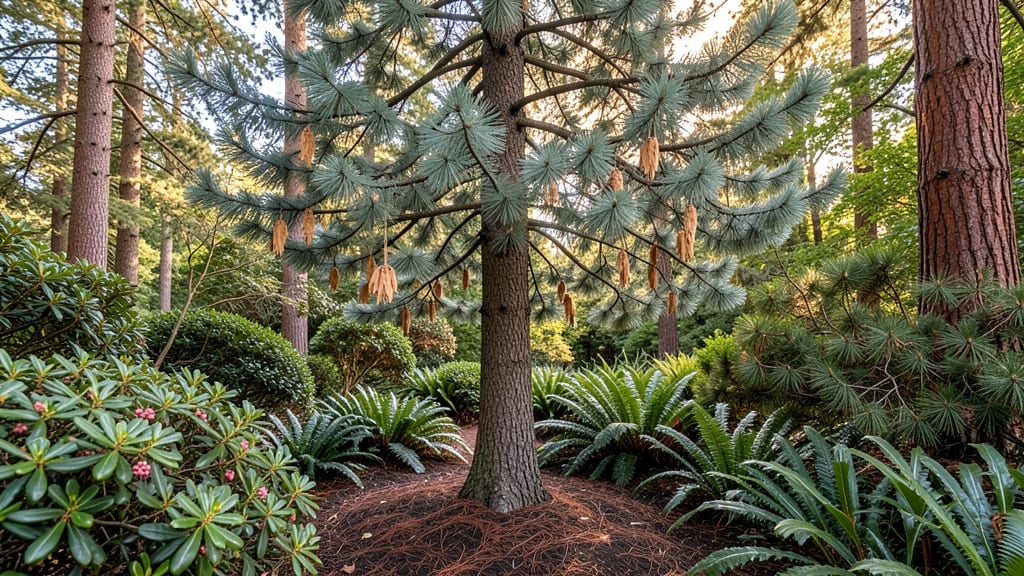
Victoria BC’s botanical gardens offer diverse plant collections, stunning themed displays, and seasonal highlights like the iconic Butchart Gardens, alongside specialized spots such as Pacific Plant Propagation Institute for gardeners seeking expert botanical knowledge.
Victoria’s botanical gardens are a treasure trove for plant lovers, blending stunning landscapes with conservation efforts. 🌿 Beyond Butchart Gardens' famous rose domes, you’ll find Pacific Plant Propagation’s rare orchid collections and Uplands Park’s native coastal flora—each garden tells a unique ecological story.
The seasonal events, from spring bulb festivals to winter light displays, transform these spaces into ever-changing works of art.
What makes these gardens truly special is their blend of education and beauty. 🌸 Whether you're admiring the meticulously curated themed gardens or learning about conservation projects, every visit offers something new.
For gardeners, the Pacific Plant Propagation Institute provides hands-on insights into propagation techniques and rare plant care—perfect for expanding your own botanical knowledge.
💡 In This Article
- Victoria BC’s Most Unique Botanical Gardens and Their Plant Collections
- Seasonal Must-See Events in Victoria’s Botanical Gardens
Victoria BC’s most unique botanical gardens and their plant collections
Victoria’s botanical gardens each boast distinct plant collections shaped by climate, conservation goals, and horticultural expertise. The Butchart Gardens—spanning 55 acres—features 1,100 varieties of roses in its iconic domes, where temperature-controlled microclimates maintain perfect blooms year-round.
The Japanese Garden, with its meticulously raked gravel and koi ponds, demonstrates traditional wabi-sabi aesthetics, where imperfection in moss-covered stones and weathered wood creates serene beauty. 🌸 This garden’s 150-year-old maple trees provide shade while their autumn foliage turns fiery red, a spectacle that draws crowds from September to October.
Meanwhile, the Pacific Plant Propagation Institute focuses on rare and endangered orchids, including 1,200+ species, many of which are threatened in the wild. Their climate-controlled greenhouses maintain 60-75% humidity and 70-80°F temperatures—critical for tropical orchids like the Phalaenopsis, which requires precise light levels to prevent leaf burn.
Visitors can observe propagation techniques firsthand, such as meristem culture, where tiny plant cells are grown in sterile labs to produce identical clones. This hands-on approach makes it a haven for gardeners eager to expand their collections with hard-to-find species.
For native plant enthusiasts, Uplands Park stands out with its 200+ species of coastal flora, including Arbutus menziesii (Pacific Madrone) and Tsuga heterophylla (Western Hemlock). These trees thrive in Victoria’s mild, maritime climate, where winter temperatures rarely drop below 32°F and summer highs hover around 75°F.
The park’s restoration projects, like the Garibaldi Park collaboration, focus on reviving endangered Salish lowland grasslands, where native plants like Camassia leichtlinii (Great Camas) are reintroduced to support pollinators like bumblebees. 🐝
What sets these gardens apart is their dual role as both public art installations and conservation hubs. Butchart’s wildflower meadows, for example, use native pollinator-friendly plants, while Uplands Park’s rainwater harvesting systems reduce irrigation needs by 30%.
Pacific Plant Propagation’s orchid collections directly support CITES-listed species, ensuring genetic diversity for future generations. Even the seasonal displays, like Butchart’s Christmas lights (over 100,000 bulbs), serve educational purposes by demonstrating sustainable lighting techniques.
Each garden’s signature collection reflects Victoria’s ecological diversity. Butchart’s rose gardens thrive in well-drained volcanic soil, while Pacific Plant Propagation’s orchids demand sterile, high-humidity environments. Uplands Park’s native species, however, flourish in poor, acidic soils, mirroring their natural habitats.
These differences highlight how microclimates and soil chemistry dictate plant success—knowledge gardeners can apply to their own spaces. For instance, the acid-loving rhododendrons at Butchart require peat moss amendments, a lesson directly transferable to home gardens.
Beyond the plants themselves, the gardens’ educational programs offer deeper dives into their collections. At Butchart, guided tours explain how hydrangeas change color based on soil pH—a fun science experiment you can replicate at home.
Pacific Plant Propagation hosts workshops on tissue culture, where participants learn to grow plants from single cells, a technique used globally in agricultural biotechnology. These programs bridge the gap between admiration and action, turning visitors into advocates for plant conservation. 🌱