
Container Gardens
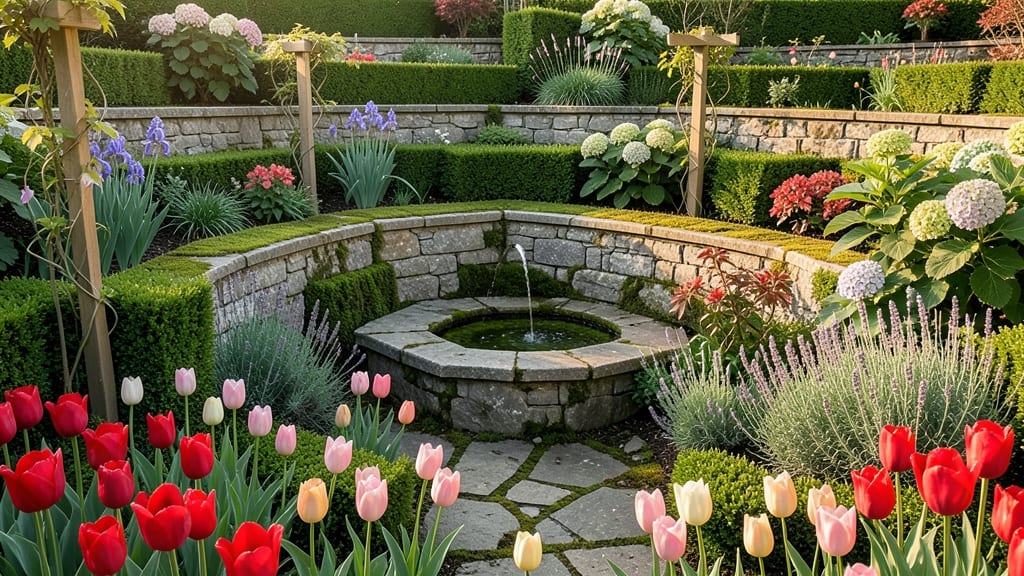
The Butchart Gardens Sunken Garden transforms light into vibrant landscapes through its layered terraces, strategic plant selection, and reflective water features that amplify natural illumination year-round. This design maximizes sunlight penetration while creating dramatic color contrasts.
The Sunken Garden's genius lies in how it uses architectural terraces to capture and redirect sunlight, creating a self-sustaining ecosystem where every plant thrives. 🌿 The cascading design ensures even shaded areas receive filtered light, while the central fountain reflects sunlight across the garden, intensifying colors during peak afternoon hours.
This approach isn't just about aesthetics—it's a masterclass in how to work with nature's most powerful resource, turning ordinary daylight into a dynamic visual experience that evolves with the seasons.
What makes this garden particularly remarkable is how it balances low-maintenance plants with high-impact species. The designers chose varieties that naturally adapt to varying light conditions, like shade-tolerant Helleborus (Lenten rose) and sun-loving Primula, creating a harmonious palette that remains vibrant year-round.
This thoughtful selection means home gardeners can replicate the effect with just a few key species, proving that dramatic landscapes don't require constant upkeep.
💡 In This Article
- How Sunken Garden Design Harnesses Light for Stunning Visual Effects
- Top Plants in Butchart’s Sunken Garden and Their Light-Adaptation Secrets
How sunken garden design harnesses light for stunning visual effects
The Sunken Garden's design is a masterpiece of light manipulation, where every architectural element serves a purpose beyond pure decoration. The stepped terraces create a natural gradient of light exposure, with the highest levels receiving direct sunlight while lower tiers enjoy gentle dappling.
This tiered approach ensures no area is wasted—even the deepest sections get 10-20% of full sunlight through creative plant placement and reflective surfaces. 🌿 The key lies in how these terraces act as light funnels, directing beams downward while preventing harsh shadows that could dull plant colors.
Reflective water features play a crucial role in amplifying illumination. The central fountain doesn't just provide aesthetic movement—it acts as a light multiplier, reflecting up to 30% more sunlight across the garden during peak afternoon hours (between 12 PM and 3 PM).
This reflected light creates a luminous effect that makes colors appear more saturated, particularly for white and pale pink blooms that would otherwise blend into shaded areas. The water's movement also breaks up light into smaller, more diffuse particles, reducing glare while increasing overall brightness.
Seasonal light angles are carefully considered in the garden's layout. During winter when the sun sits lower in the sky, the terraces are designed to catch maximum southern exposure in the Northern Hemisphere, ensuring even the deepest sections get sufficient light for winter-blooming species like Helleborus.
In contrast, summer's higher sun angles are managed by strategic plant height variations—taller species on lower terraces prevent upper levels from becoming too exposed. This thoughtful design maintains vibrant foliage year-round without requiring artificial lighting. 💡
The choice of low-growing plants further enhances light diffusion. Species like Primula and Iris are positioned to fill vertical spaces between terraces, creating a living light filter that softens harsh shadows while adding texture.
Their compact growth habit allows sunlight to penetrate to ground level, where shade-loving plants like Lamium can thrive without competing for light. This layered approach ensures every square inch contributes to the garden's luminosity, making it appear more expansive than its actual 1.5-acre footprint.
What's particularly fascinating is how the garden's design responds to daily light changes. Morning light hits the western terraces first, gradually moving eastward as the sun climbs.
This progression creates a dynamic color wave throughout the day—pinks and purples appear most vibrant in morning light, while yellows and whites glow in afternoon reflections.
The designers even incorporated subtle color gradients in the stonework to harmonize with these natural light transitions, creating a seamless blend between architecture and botanical elements. 🌈
For home gardeners looking to replicate this effect, the key takeaway is to work with your site's natural light patterns rather than against them.
Start with a slight elevation change (even just 6-12 inches of grading) to create light layers, then use reflective surfaces like smooth stones or small water features to amplify illumination.
The Sunken Garden proves that with thoughtful design, even modest spaces can achieve professional-level light effects that make plants appear more vibrant and lush. 💫