
Advice
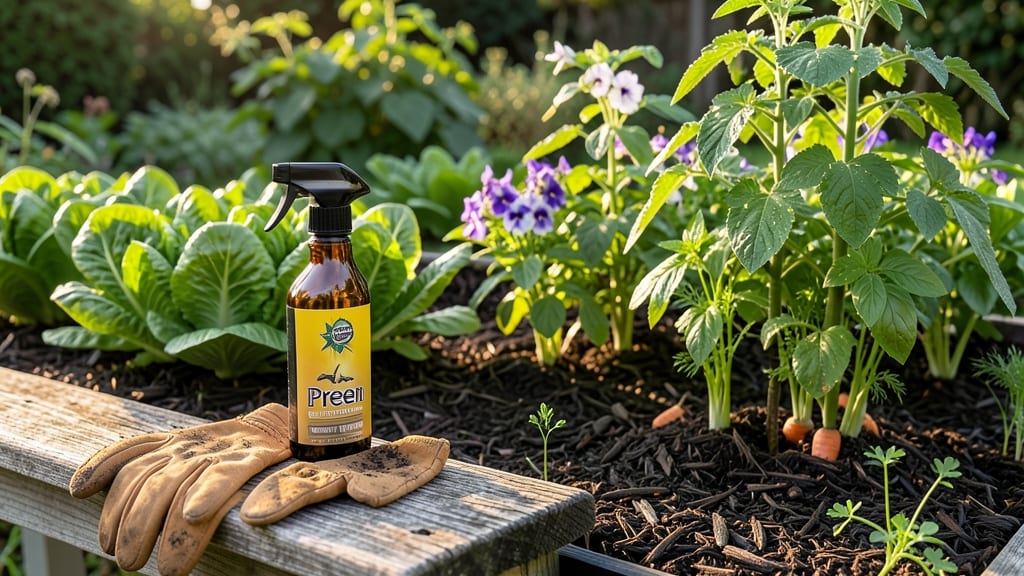
Yes, Preen can be used in a vegetable garden but requires careful application to avoid harming edible plants. Apply only to mature plants, never on leaves, fruits, or roots, and focus on weed suppression between rows. Reapply after rain and always verify plant compatibility with the product label.
Can Preen be used in a vegetable garden? Yes, it can, but with precautions. Preen works by creating a natural barrier that prevents weed seeds from sprouting, using ingredients like corn gluten meal. 🌱 This organic weed preventer is safe for established vegetables when applied correctly—think of it as a shield for your soil rather than a treatment for existing plants. The key is timing: apply it before weeds germinate, and avoid spraying near plants you plan to harvest soon.
For vegetables like tomatoes, peppers, and beans, Preen is generally safe when used according to instructions. However, delicate crops such as lettuce, spinach, or carrots may suffer damage if the product drifts onto their leaves.
Always spot-test in a small area first and consider alternatives like mulch or hand-weeding for sensitive plants.
💡 In This Article
- How Preen Works in Vegetable Gardens: Active Ingredients and Weed Control
- Safe Preen Application for Vegetable Crops: Plant-Specific Guidelines and Alternatives
How Preen works in vegetable gardens: active ingredients and weed control
Preen’s effectiveness in vegetable gardens comes from its primary active ingredient, corn gluten meal, which makes up about 90-95% of the product. When applied to soil, this fine, yellowish powder breaks down into amino acids that disrupt weed seed germination.
The mechanism is simple yet powerful: corn gluten meal interferes with the enzymes that trigger seed sprouting, effectively starving weeds before they emerge. 🌱 This process is called pre-emergent weed control, meaning it prevents weeds from growing rather than killing existing ones.
The remaining 5-10% of Preen often includes corn oil or other plant-based components that create a thin, protective layer on the soil surface. This layer doesn’t suffocate plants but instead blocks sunlight from reaching weed seeds, which need light to germinate.
The oil also helps the corn gluten meal adhere to soil particles, ensuring longer-lasting protection. Unlike synthetic herbicides, Preen works organically and breaks down naturally, making it safe for organic gardening when used correctly.
What makes Preen safe for established vegetables is its selective action. It targets weed seeds in the soil, not the roots or leaves of your crops.
Once plants are mature, their root systems are already established, and Preen won’t harm them—think of it as a soil treatment rather than a foliar spray. For example, applying Preen around tomato plants or corn won’t damage the plants themselves but will prevent crabgrass or chickweed from sprouting nearby.
However, the effectiveness of Preen depends on soil conditions. It works best in well-draining soil with a pH between 6.0 and 7.5. Heavy clay soils or waterlogged areas may reduce its performance because the corn gluten meal can wash away during heavy rains.
To maximize results, apply Preen when the soil is dry and expect it to last about 3-4 months before needing reapplication.
For organic gardeners, Preen is a certified organic product, meaning it meets USDA organic standards. This certification is crucial because it ensures the product won’t introduce synthetic chemicals into your garden. However, always double-check the label, as formulations can vary slightly between brands.
For instance, some versions may include additional ingredients like iron oxide for color or calcium carbonate to adjust pH, which are also safe for organic use.
Here’s what happens under the soil: When Preen is applied, the corn gluten meal begins to break down within 2-4 weeks, releasing amino acids that inhibit weed seed germination.
This process is temporary, which is why reapplication is necessary, especially in high-weed-pressure areas. The breakdown also enriches the soil with nitrogen, providing a minor fertilizer benefit for your vegetables.