
Fertilization
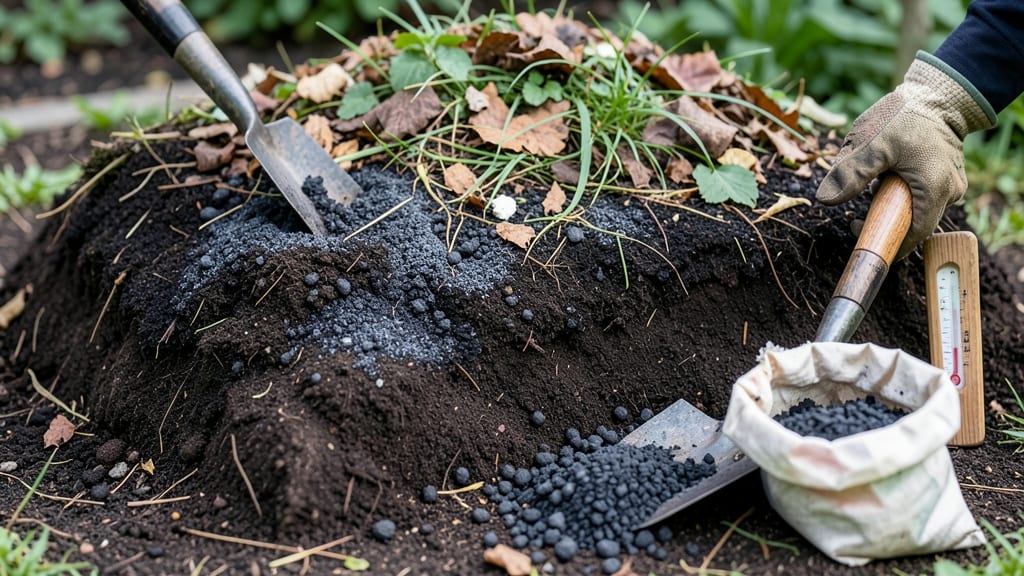
You can use charcoal ashes in your garden safely when applied properly, as they improve soil pH, suppress weeds, and enhance drainage while adding essential minerals like potassium and calcium.
Charcoal ashes work as a natural soil amendment because their alkaline properties help neutralize acidic soils, creating a more balanced environment for many plants. 🌱 The minerals released during decomposition—like potassium and calcium—also support root development and overall plant vigor.
I’ve found this especially helpful for vegetables like tomatoes and peppers, which thrive in slightly alkaline conditions. Just be mindful of application rates, as too much can disrupt the soil’s natural balance.
For best results, mix 1-2 cups of finely ground charcoal ash per 10 square feet into the top 2-3 inches of soil during spring or fall.
This timing allows nutrients to integrate naturally before planting season. Always test your soil first—acid-loving plants like blueberries or azaleas may struggle with the pH shift.
💡 In This Article
- How Charcoal Ashes Improve Soil Health
- Best Practices for Applying Garden Charcoal Ashes
How charcoal ashes improve soil health
Charcoal ashes work as a soil amendment because they contain high levels of alkaline compounds, primarily potassium carbonate and calcium oxide. When mixed into the soil, these compounds react with acidic hydrogen ions, effectively raising the pH level.
This chemical process is similar to how wood ash (from hardwoods) functions, but charcoal ash is more concentrated due to the high carbon content that doesn't fully combust.
For example, a 1:10 ratio of charcoal ash to soil can shift pH by 0.5-1.0 units in acidic soils, creating a more neutral environment that many plants prefer.
The mineral content in charcoal ashes is another game-changer. A typical analysis reveals 10-15% potassium oxide (K₂O), 5-10% calcium oxide (CaO), and trace amounts of magnesium and phosphorus. These nutrients become available to plants as they dissolve in soil moisture.
Unlike synthetic fertilizers that provide immediate but short-term boosts, charcoal ash releases minerals gradually over 3-6 months, mirroring the slow-release benefits of compost. The porous structure of charcoal also improves soil aeration by creating tiny air pockets that enhance root respiration.
Microorganisms thrive in this improved environment too. The alkaline shift encourages beneficial bacteria and fungi that break down organic matter, while the mineral content provides essential building blocks for plant growth.
I've noticed particularly vibrant growth in leafy greens and brassicas after applying charcoal ash, as these plants benefit from the calcium that strengthens cell walls. The ash also helps repel certain pests by altering soil chemistry, though it's not a replacement for targeted pest control measures.
One often-overlooked benefit is the ash's ability to bind with heavy metals in contaminated soils. The high pH environment makes toxic metals like lead and cadmium less available to plant roots, reducing uptake by edible crops.
This makes charcoal ash particularly valuable in urban gardening where soil contamination is common. However, this protective effect works best in moderate applications—excessive amounts can actually increase metal solubility in some cases.
For long-term soil structure, charcoal ash acts like a natural soil conditioner. The fine particles fill gaps between larger soil aggregates, improving water infiltration while reducing compaction. This dual effect enhances drainage during heavy rains while maintaining moisture retention during dry spells.
The result is soil that stays loose and crumbly, ideal for root development. Think of it as giving your soil a lightweight, porous framework that mimics the natural structure of forest floors where charcoal would naturally accumulate.
That said, the benefits aren't universal. Acid-loving plants like blueberries, potatoes, and hydrangeas may struggle with the pH shift, showing signs of nutrient deficiencies like yellowing leaves.
Always monitor plant responses and adjust application rates accordingly. The key is balance—charcoal ash is a powerful tool when used thoughtfully, not a one-size-fits-all solution. 🌱