
How To
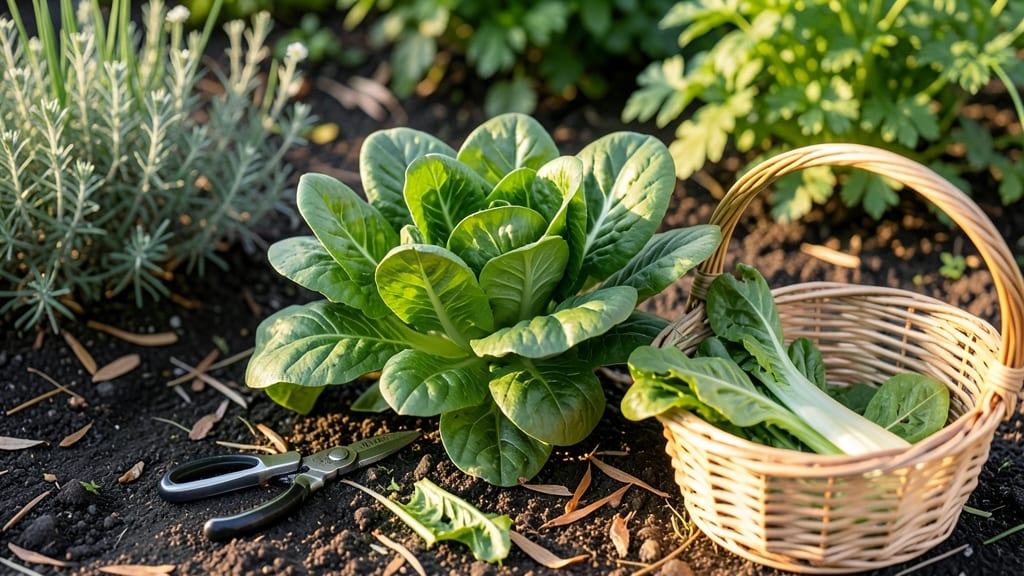
To harvest lettuce from your garden at the perfect time means crisp, flavorful leaves and a plant that keeps producing—no bitter surprises or wasted effort.
Nothing beats the fresh crunch of homegrown 🥬, but timing your harvest is the key to avoiding tough, bitter leaves or a plant that bolts too soon. Most gardeners miss the subtle cues that signal readiness, like leaf size, texture, and color.
If you’ve ever pulled a leaf only to find it too small or already turning tough, you know how frustrating it can be. The good news? With the right techniques, you can harvest lettuce for weeks, encouraging regrowth and maximizing your yield.
In this guide, I’ll walk you through 3 clear signs your lettuce is ready, the best cutting methods for different varieties, and how to care for your plants after harvest so they keep producing fresh greens all season.

3 Clear signs your lettuce is ready for harvest (and when to wait)
Harvesting lettuce at the perfect moment transforms your garden into a salad bar, but timing is everything. Pick too early, and you’ll miss the full flavor and texture. Wait too long, and your crisp greens turn bitter or bolt into flowers.
The key lies in three simple but often overlooked visual and tactile cues that tell you when your lettuce is ready—not a day sooner or later.
For loose-leaf varieties like romaine or buttercrunch, these signs appear slightly earlier than for head lettuce like iceberg or crisphead. Baby lettuce mixes may show readiness in just 28-35 days, while full-grown heads take 45-60 days.
Ignoring these cues can mean sacrificing flavor, texture, and even the plant’s ability to regrow for a second harvest.
- 📏 Leaf Size: Outer leaves reach 4-6 inches in length for loose-leaf types, or the entire head feels dense (like a compact baseball) for varieties like iceberg. Baby lettuce is ready at 2-3 inches per leaf.
- 💧 Texture: Leaves should be crisp and firm to the touch, not floppy or rubbery. Gently squeeze a leaf—if it springs back, it’s perfect. Wrinkled or limp leaves mean it’s overripe or stressed.
- 🌱 Color & Growth: Vibrant, deep green or rich color (varies by variety) with no yellowing or browning. The center of head lettuce should be tightly packed, not loose. Check the base—if you see flower stalks, it’s too late!
One of the biggest mistakes I see is waiting until lettuce bolts—when it sends up a tall flower stalk.
This happens when days get longer or temperatures rise, and the plant shifts energy from leaves to reproduction. Bolting turns lettuce bitter and woody, ruining the tender experience we all love. Head lettuce often bolts from the center first, while loose-leaf types may bolt more uniformly.
For continuous harvests, focus on outer leaves first. This method lets the inner leaves keep growing, giving you weeks of fresh lettuce from one plant. Cut just above a leaf node (where leaves branch out) to encourage regrowth.
If you’re growing baby lettuce mixes, you can harvest the entire plant at once when leaves hit your desired size, usually 2-3 inches.
Texture is your best friend when deciding harvest readiness. A perfect lettuce leaf should hold its shape when picked and resist crushing between your fingers. If leaves feel mushy or hollow-sounding, they’ve passed their prime. Overwatered soil or hot afternoons can also make lettuce soggy, so always check the roots—healthy roots are white and firm, not brown or mushy.
Color consistency is another non-negotiable sign. Dark green leaves with no white or yellow patches mean your lettuce is thriving. Pale or yellowing leaves could signal nutrient deficiency (like nitrogen) or over-maturity.
If you notice white mold or spots, harvest immediately and remove affected leaves to prevent spread. Red or purple varieties should maintain their rich hue—dull colors mean it’s time to pick.
Season matters too. Spring and fall lettuce tends to mature faster in cooler weather, while summer heat can accelerate bolting. If your lettuce is growing too quickly (in under 30 days), it’s likely bolting soon. Shade cloth or partial afternoon shade can help delay this in hot climates.
Conversely, winter lettuce may take longer to reach harvest size due to slower growth.
Don’t forget about regrowth potential. If you’re growing cut-and-come-again varieties, like romaine or oakleaf, you can harvest up to 60% of the plant and still get multiple harvests.
Leave the inner leaves and crown intact, and your lettuce will bush out with new growth in 1-2 weeks. Head lettuce, however, is best harvested all at once to avoid bitterness or uneven growth.
When in doubt, taste-test a leaf. The flavor should be mild, sweet, and crisp—not bitter or grassy. Bitter lettuce often means it’s overripe or stressed, while mild bitterness in red varieties is normal.
If you’re growing heirloom or bitter varieties (like arugula), a slight peppery note is expected, but overly bitter leaves should be harvested early.
Mastering these three key signs—leaf size, texture, and color—will turn your lettuce harvests from hit-or-miss to consistently perfect. Once you start paying attention, you’ll notice these cues in seconds, and your garden will thank you with crisp, flavorful greens all season long. 🥬✂️
Step-by-step lettuce harvesting techniques for maximum yield
Harvesting lettuce at the right time ensures tender, flavorful leaves while encouraging your plants to regrow for a continuous yield. The key lies in using the proper cutting techniques and timing, whether you're growing loose-leaf varieties or firm-headed lettuce.
I’ve learned that even a slight misstep—like harvesting at the wrong time or using dull tools—can turn a crisp salad green into a bitter disappointment.
Before you grab your shears, gather the right harvesting tools. A sharp pruning knife or clean scissors is essential for clean cuts that heal quickly. For loose-leaf varieties, you can even use your fingers to pluck individual leaves.
The best time to harvest is on a cool morning after any dew has dried, which helps prevent disease and keeps leaves crisp.
How to Harvest Lettuce from Garden
-
Step 1: Identify the Variety
Loose-leaf: Snip outer leaves; Head varieties: Cut entire head at base. -
Step 2: Use Sharp Tools
Clean scissors or pruners prevent damage and disease. -
Step 3: Harvest at the Right Time
Early morning (cool, crisp leaves) or late afternoon (avoid heat stress). -
Step 4: Cut Loose-Leaf Lettuce
Snip individual leaves, leaving the center intact for regrowth. -
Step 5: Harvest Head Lettuce
Cut the entire head 1 inch above the soil line with a clean slice. -
Step 6: Encourage Regrowth
Water deeply after harvest and fertilize lightly with balanced 10-10-10. -
Step 7: Store Properly
Wrap in damp paper towels and refrigerate for up to 5-7 days.
For loose-leaf varieties, focus on harvesting the outer leaves first. This method allows the inner leaves to continue growing, giving you a second harvest in just a few weeks.
Simply grip the leaf near the base and give it a gentle twist or use clean scissors to snip it off. Avoid removing more than one-third of the plant at once to prevent stress.
When harvesting head lettuce, like romaine or iceberg, timing is critical. Wait until the head feels firm and reaches its full size—usually 45-60 days after planting. Use a sharp knife to cut the entire head about 1 inch above the soil line.
This clean cut helps the plant redirect energy to any remaining leaves, though head lettuce rarely regrows as well as loose-leaf types.
After harvesting, don’t forget to revive your lettuce plants. Water them deeply to replace moisture lost during the harvest, and apply a light fertilizer like a 10-10-10 blend to encourage new growth.
If you’re growing in hot climates, consider providing afternoon shade to prevent bolting, which turns lettuce bitter and flowery.
With these techniques, you’ll enjoy a steady supply of fresh lettuce all season long. The key is patience—harvesting at the right time and handling your plants gently makes all the difference between a sad, wilted salad and a crisp, homegrown feast. Happy harvesting! 🥬