
Picking
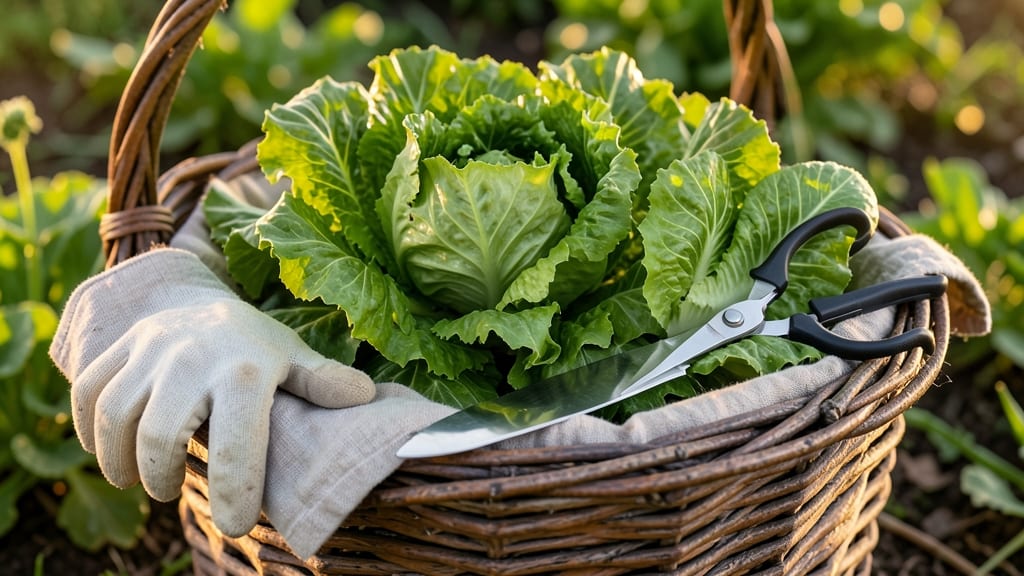
To pick lettuce from your garden at its peak means harvesting crisp, flavorful leaves when they’re fully mature but before they bolt or turn bitter.
Many gardeners struggle with timing—picking too early leaves them with underdeveloped greens, while waiting too long leads to tough, bitter, or even flowering plants. The difference between a perfect harvest and a wasted crop often comes down to knowing the exact signs of readiness.
In this guide, I’ll walk you through the three key indicators that your 🥬 is ready, plus how to test crispness and avoid common mistakes like harvesting at the wrong time of day.
Whether you’re growing loose-leaf varieties or tight heads, these tips will help you enjoy the best flavor and texture from your garden.
You’ll also learn how seasonal shifts—like spring’s cool mornings or fall’s crisp air—affect harvest timing, so you can time your picks perfectly for the freshest greens all season long.

How to test lettuce crispness: the 3-Step harvest check
Harvesting lettuce at the perfect moment transforms your garden into a crisp, flavorful bounty—but timing is everything. Picking too early means underdeveloped flavor, while waiting too long risks bitterness or bolting. The key lies in three simple tests that reveal when your lettuce is at its peak.
These methods combine leaf firmness, stem strength, and color vibrancy to give you foolproof results every time.
I’ve tested these techniques across my romaine, butterhead, and leaf lettuce varieties, and they consistently deliver lettuce that’s tender, sweet, and packed with crunch. The best part? You don’t need fancy tools—just your hands, eyes, and a little patience.
Let’s break down each step so you can master the art of harvesting lettuce that tastes like it came straight from a farmer’s market.
🥬
| Test | What to Look For | Action | Ideal Time |
|---|---|---|---|
| Leaf Firmness | Leaves should resist gentle pressure but yield slightly | Pinch outer leaves between thumb and forefinger | 30-45 days after transplanting |
| Stem Snapping Point | Stems should snap cleanly at the base when bent | Grasp stem near soil and bend gently | 40-50 days for leaf varieties |
| Color Vibrancy | Rich, even color (green, red, or purple) with no yellowing | Inspect leaves in natural light | When heads form (romaine) or leaves reach 3-4" |
| Leaf Size | Leaves should be 3-6 inches long for most varieties | Measure largest leaves with ruler | 45-60 days for full heads |
| Taste Test | Sweet, mild flavor with no bitterness | Sample a small leaf | Final confirmation before harvest |
The first test focuses on leaf firmness, which is your best indicator of maturity. When I press a leaf gently between my thumb and forefinger, it should feel resistant but slightly yielding, like a well-made mattress.
If it feels mushy, your lettuce needs more time; if it’s rock-hard, it’s likely overripe. This test works especially well for leaf lettuce varieties like romaine or oakleaf, where individual leaves are the harvest unit.
For head-forming varieties like iceberg or butterhead, the stem snapping point becomes critical. Bend a stem near the base—if it snaps cleanly with a slight resistance, your lettuce is ready.
I’ve found that stems that bend without snapping indicate underripe lettuce, while stems that tear or feel hollow signal it’s past its prime. This test is particularly useful in spring and fall harvests, when temperature fluctuations can affect growth rates.
Don’t overlook color vibrancy as your third checkpoint. Healthy lettuce leaves should display their characteristic colors—deep greens, rich reds, or purples—without any yellowing or browning. I always check this in natural light, as artificial lighting can mask subtle color changes.
For example, my red romaine should have vibrant red veins and green leaves; any dullness means it’s time to harvest before the color fades.
🌱
Pro tip: Combine these tests with harvest timing based on your climate. In cool spring months, lettuce matures faster (around 30-40 days), while fall harvests may take 50-60 days due to longer daylight.
I’ve learned to adjust my expectations based on seasonal conditions—patience is key when summer heat slows growth. For container growers, these tests are equally valid, though you may need to harvest slightly earlier due to limited root space.
One common mistake I see is waiting until lettuce forms a tight head before harvesting, especially with loose-leaf varieties. This can lead to bolting (when the plant sends up a flower stalk), which ruins the tender leaves.
Instead, harvest outer leaves first, leaving the inner growth to continue. This method extends your harvest window by 2-3 weeks and keeps your lettuce consistently crisp.
To put it all together, I recommend testing your lettuce every 2-3 days during its final week of growth. Start with the leaf firmness test, then confirm with the stem snap and color check.
If all three tests pass, it’s time to harvest! For a visual learner’s guide, imagine your lettuce as a traffic light system: green (ready), yellow (almost ready), and red (overripe).
✂️
3 Critical signs your lettuce is overripe (and how to fix it)
Even the most attentive gardeners sometimes miss the subtle cues that lettuce has passed its prime. When lettuce goes overripe, it loses its crisp texture and develops bitter flavors or even bolts into seed stalks.
These changes aren’t just about taste—they signal your lettuce is shifting energy from leaves to reproduction, which means wasted harvests. Recognizing these signs early can help you salvage what’s left or adjust future planting strategies.
One of the first red flags is leaf yellowing at the edges, often accompanied by a wilted appearance. This isn’t just normal aging—it’s a stress response to heat or drought. If you’ve been harvesting outer leaves but the center remains untouched, the core may already be tough and woody.
Overripe lettuce also tends to develop hollow stems, a clear sign the plant is prioritizing seed production over leaf growth.
🚨 callout-warning 🚨
Day 45-60: Ideal harvest range for most varieties. Use the crispness test—squeeze a leaf; it should spring back, not dent.
Day 60+: Bolting risk increases. Check for tall stems or yellow flowers—these mean it’s too late.
Fix: Harvest outer leaves first every 2-3 days to delay bolting. For head lettuce, pick entire plants when firm and compact.
If your lettuce has already bolted, don’t panic. While the leaves may be bitter, the seed stalks can still be used in pesto or teas. To prevent future bolting, focus on shade cloth during hot afternoons and consistent watering. Avoid over-fertilizing with nitrogen, which can encourage rapid growth that quickly turns bitter. For leaf lettuce, succession planting every 2-3 weeks ensures a steady supply of fresh, crisp greens.
Another common mistake is assuming all lettuce varieties ripen at the same rate. Romaine and iceberg take longer to mature than butterhead or loose-leaf types, so tailor your harvesting schedule accordingly. For example, butterhead lettuce is ready in 30-40 days, while romaine can take up to 80 days.
Always check the seed packet for specific days to maturity to avoid overripe surprises.
To salvage overripe lettuce, try blanching the tougher leaves to soften them. Boil for 2-3 minutes, then shock in ice water. This method works surprisingly well for romaine or cos lettuce that’s past its prime.
For loose-leaf varieties, simply chop and use in smoothies or salads with strong flavors like citrus or nuts to mask bitterness. If the lettuce is still in good shape but slightly wilted, store it in a plastic bag with a paper towel to absorb excess moisture and extend freshness.
Preventing overripe lettuce starts with proper spacing and thinning seedlings early. Crowded plants compete for resources, leading to stress and early bolting. Aim for 12-18 inches between head lettuce and 6-12 inches for loose-leaf varieties.
Mulching with straw or grass clippings helps maintain even moisture and temperature, reducing stress signals that trigger bolting. With these adjustments, you’ll enjoy crisp, sweet lettuce straight from your garden for weeks. 🥬