
Fertilization
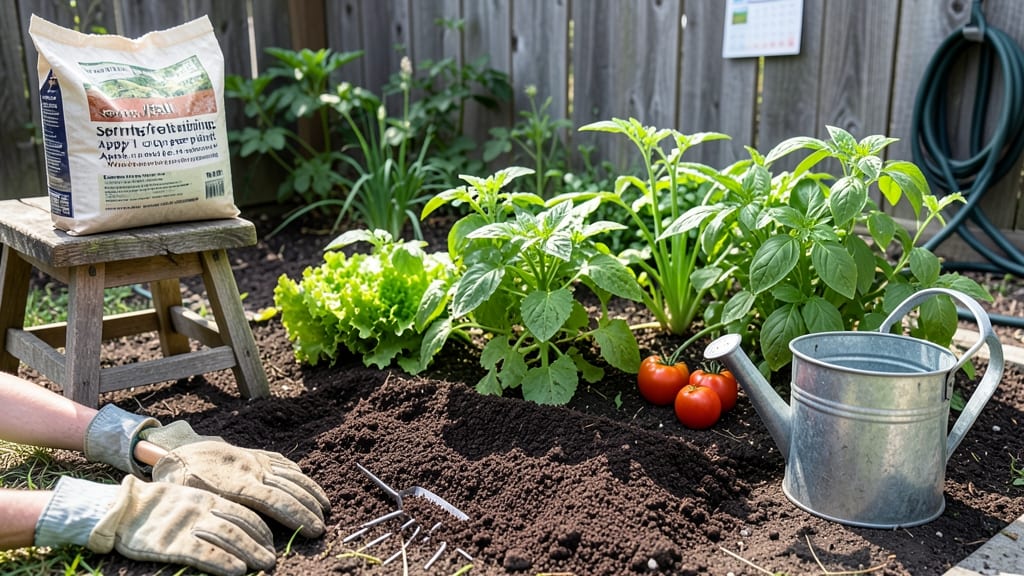
Fertilizing your veg garden at the right times is the key to bigger harvests and healthier plants 🥬 — and skipping the wrong stages can leave you with stunted growth or wasted nutrients.
Struggling to keep your vegetable garden thriving? The secret isn’t just what you fertilize with—but when. Timing your fertilizers based on soil tests and plant growth stages can mean the difference between lush harvests and wilting disappointment.
Most gardeners overlook the pre-planting boost or overdo it during flowering, which stresses plants instead of feeding them. A soil test reveals exactly when your veg garden needs nitrogen for leafy greens, phosphorus for roots, or potassium for fruiting—so you’re not guessing.
In this guide, I’ll walk you through the stage-by-stage schedule for spring and fall planting, plus how to adjust for your climate zone. You’ll learn when to feed for fast starts, when to taper off before harvest, and how to avoid common mistakes that kill yields.

Soil test-based fertilizing schedule for vegetable gardens
Your vegetable garden’s success hinges on more than just choosing the right fertilizer—it’s about timing applications to match your plants’ nutrient needs at each growth stage. A soil test reveals your garden’s pH and NPK levels, helping you avoid over- or under-fertilizing.
For example, tomatoes need higher phosphorus during flowering, while leafy greens thrive with nitrogen-rich soil early on.
Start by testing your soil in early spring before planting. Most vegetables prefer a pH between 6.0 and 7.0, but blueberries (if included) need acidic soil (4.5–5.5). If your test shows low nitrogen (N), focus on pre-planting fertilization with a balanced 10-10-10 mix.
For phosphorus (P) deficiencies, apply bone meal or a 5-10-10 blend when transplanting.
| Growth Stage | Soil Test Focus | Fertilizer Type | Timing |
|---|---|---|---|
| Pre-Planting | pH (6.0–7.0), Organic Matter | Compost, Balanced (10-10-10) | 2–4 weeks before planting |
| Early Growth | Nitrogen (N) Levels | Fish emulsion, Blood meal | At planting + 3–4 weeks later |
| Flowering/Fruiting | Phosphorus (P), Potassium (K) | Bone meal, 5-10-10, Banana peel tea | When buds form, repeat every 4–6 weeks |
| Fall/Winter Prep | Organic Matter, Microbes | Compost, Worm castings | After harvest, before frost |
For cool-season crops like kale or carrots, focus on nitrogen-heavy fertilizers in early spring and fall. Warm-season plants like peppers and cucumbers need phosphorus and potassium once they start flowering in late spring. Always water deeply after fertilizing to prevent root burn.
Adjust your schedule based on your USDA zone. In Zone 5 or colder, fertilize late May for summer crops, while Zone 8+ gardens can extend fertilizing into October. For example, tomatoes in Zone 7 should get a potassium boost in July to prevent blossom end rot.
Organic fertilizers like compost tea or manure tea release nutrients slowly, making them ideal for pre-planting and early growth. Synthetic slow-release granules (e.g., Osmocote) are better for long-term feeding during fruiting stages. Always follow label rates—over-fertilizing can burn roots and attract pests.
Monitor your plants for nutrient deficiency signs: yellow leaves (nitrogen), purple stems (phosphorus), or weak stems (potassium). If you see these, adjust your fertilizer immediately. For instance, yellowing between leaf veins in spinach signals iron deficiency, which chelated iron can fix.
In late summer, shift to low-nitrogen fertilizers to encourage root development in crops like beets or potatoes. Avoid fertilizing 6 weeks before harvest to prevent nitrate buildup in leafy greens. For perennial crops like asparagus, fertilize in early spring only—no summer feedings needed.
Use mulch (straw or wood chips) to lock in moisture and slow nutrient loss. In dry climates, apply compost mulch to retain 40% more soil moisture. For container gardens, fertilize every 3–4 weeks with a water-soluble mix like fish emulsion, since nutrients leach out faster.
Keep a gardening journal to track when you fertilized, what you used, and your plants’ responses. This helps you refine your schedule year after year. For example, note that tomatoes in your garden flourished with a June phosphorus boost—then replicate that timing next season.
Critical fertilizer timing by vegetable type and growth stage
Fertilizing your vegetable garden isn’t a one-size-fits-all task—it’s all about timing. Different vegetables need nutrients at specific growth stages, and applying fertilizer at the wrong time can lead to wasted resources or even plant stress.
For example, leafy greens like lettuce and spinach thrive with nitrogen-rich fertilizer early on, while fruiting plants like tomatoes and peppers need a phosphorus boost when they start flowering.
Root vegetables, such as carrots and potatoes, are light feeders and don’t need heavy fertilization. Meanwhile, heavy feeders like corn and squash demand consistent nutrient supply throughout their growth cycle. Understanding these differences ensures your garden gets the right nutrients when they’re needed most, maximizing your harvest potential.
- Leafy Greens (Lettuce, Spinach, Kale)
- Root Vegetables (Carrots, Potatoes, Beets)
- Fruiting Plants (Tomatoes, Peppers, Cucumbers)
- Heavy Feeders (Corn, Squash, Broccoli)
Apply nitrogen-heavy fertilizer at planting and again when leaves are half-grown. Avoid over-fertilizing late in the season to prevent bitter leaves.
Use low-nitrogen fertilizer at planting only. Too much nitrogen leads to forked roots or small tubers. Side-dress with compost once mid-season.
Fertilize with balanced NPK (10-10-10) at transplanting, then switch to phosphorus-heavy (5-10-10) when flowers appear. Add potassium-rich fertilizer when fruits start forming.
Apply high-nitrogen fertilizer at planting, then side-dress with compost or manure every 4-6 weeks. Reduce nitrogen as plants near maturity to avoid leafy but fruitless growth.
For fast-growing vegetables like radishes or green onions, a single light feeding at planting is often enough. In contrast, slow-growing perennials like asparagus benefit from annual spring fertilization to build root strength over time. Always water fertilizer into the soil after application to prevent root burn.
Seasonal adjustments are key. In spring, focus on early growth fertilizers to kickstart plants. By summer, shift to bloom-boosting fertilizers for fruiting crops. In fall, reduce fertilization for cool-season crops to avoid late-season stress before frost.
Pro tip: Use slow-release fertilizers for long-season crops like tomatoes or peppers. This ensures a steady nutrient supply without the risk of over-fertilizing. Always monitor your plants for yellowing leaves or stunted growth, which can signal nutrient deficiencies or excesses.
By tailoring your fertilization schedule to each vegetable’s growth stage and nutrient needs, you’ll enjoy healthier plants, bigger yields, and fewer wasted resources. Happy gardening! 🌿