
Tools
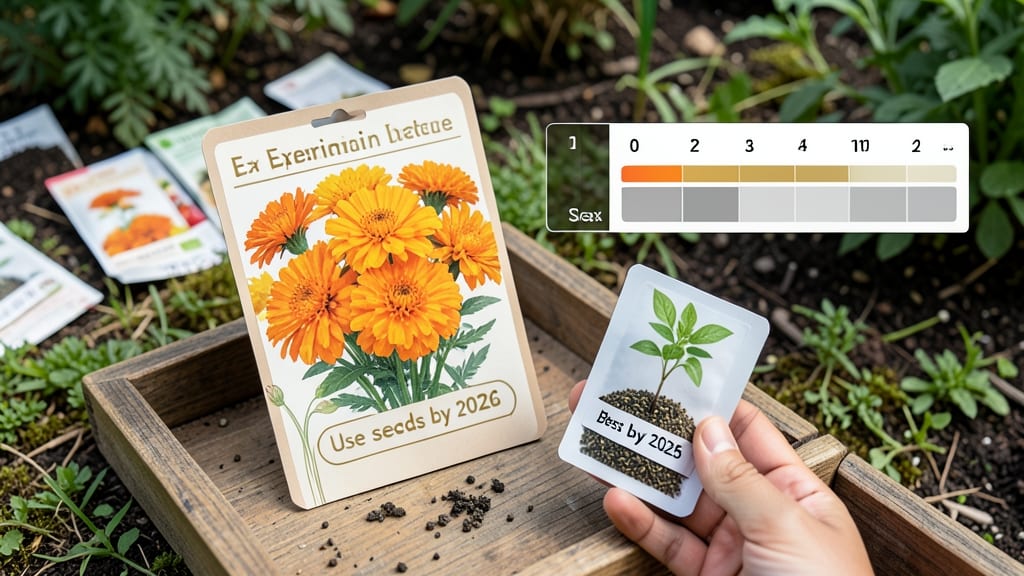
Garden seeds do expire, but their viability depends on storage conditions and seed type. Most seeds retain good germination for 1-5 years, though some, like onions or leeks, last only 1-2 years. Test old seeds with a simple moisture paper method to confirm usability before planting.
Seeds don't last forever—they degrade over time due to moisture loss and cellular breakdown. 🌱 The good news? Proper storage can dramatically extend their life. For instance, beans and peas often stay viable for 3-5 years, while delicate flowers like zinnias may only last 1-2 years.
I've learned that even well-stored seeds eventually lose potency, so testing them before planting is always a smart move.
Here's the key: cool, dry conditions are your best friend. Seeds stored in airtight containers at 35-40°F (like a refrigerator) can last twice as long as those kept in warm garages.
That paper towel germination test I mentioned earlier? It's the fastest way to check if your old seeds are still worth planting.
💡 In This Article
- How Seed Viability Declines Over Time
- Proven Seed Storage Techniques to Extend Longevity
How seed viability declines over time
Seed aging is a biological process driven by three key factors: moisture loss, enzyme degradation, and DNA damage. Inside each seed lies a delicate balance of proteins, fats, and carbohydrates that sustain embryonic growth.
Over time, these components break down due to oxidation and hydrolysis—chemical reactions accelerated by heat and humidity.
For example, a seed stored at 70°F with 60% humidity may lose viability in just 2 years, while the same seed stored at 35°F with 30% humidity could last 10+ years. 🌱
The rate of decline varies dramatically by seed type. Vegetable seeds like tomatoes and cucumbers typically maintain 80% germination for 4-5 years, thanks to their thicker seed coats that protect internal structures.
In contrast, onion and leek seeds—with their thin, papery coverings—often drop below 50% viability after just 1-2 years. Herbs like basil and dill fall somewhere in between, usually lasting 2-3 years under ideal conditions.
Flower seeds are often the most fragile, with zinnias and marigolds losing potency faster than hardier varieties like sunflowers.
Temperature plays a critical role in this process. Every 18°F increase in storage temperature roughly doubles the seed's metabolic rate, accelerating aging. That's why seeds stored in warm attics or garages degrade 3-5 times faster than those kept in cool basements or refrigerators.
Even brief exposure to high heat—like leaving a seed packet in a hot car—can trigger irreversible damage. The enzymes responsible for repairing cellular damage become less effective over time, while free radicals (unstable molecules) increasingly attack the seed's DNA, leading to failed germination attempts. 🔥
Humidity is equally damaging. Seeds need some moisture to remain viable, but too much triggers mold growth and fungal infections that destroy the seed's internal structure. The ideal relative humidity for long-term storage is 30-50%.
At 60% humidity or above, seeds absorb excess moisture, causing their cells to swell and rupture. This is why many seed companies include desiccant packets in their packaging—these tiny silica gel crystals absorb excess moisture and help preserve seed integrity.
Even a slight increase to 55% humidity can cut a seed's lifespan by 30-40%.
Light exposure also contributes to degradation, though its effects are less direct. Prolonged sunlight can cause the seed coat to dry out and become brittle, while UV rays may damage the seed's genetic material. That's why dark, opaque containers are always better than clear ones.
For instance, storing seeds in a glass jar with a tight lid (blocking light) can extend their life by 1-2 years compared to a clear plastic bag left in direct sunlight. The combination of darkness, cool temperatures, and low humidity creates the perfect conditions to slow down the aging process.
Here's what happens at the cellular level: As seeds age, their mitochondria (the powerhouses of the cell) produce less energy, while their membranes become more permeable. This leads to a slow leak of essential nutrients and water, starving the embryo.
The seed's DNA also accumulates mutations over time, reducing its ability to initiate proper growth when planted. This is why older seeds often produce stunted or deformed seedlings—even if they do germinate. The good news?
These processes happen gradually, giving gardeners plenty of time to test and use their seeds before viability drops below usable levels. ✨