
Vegetables
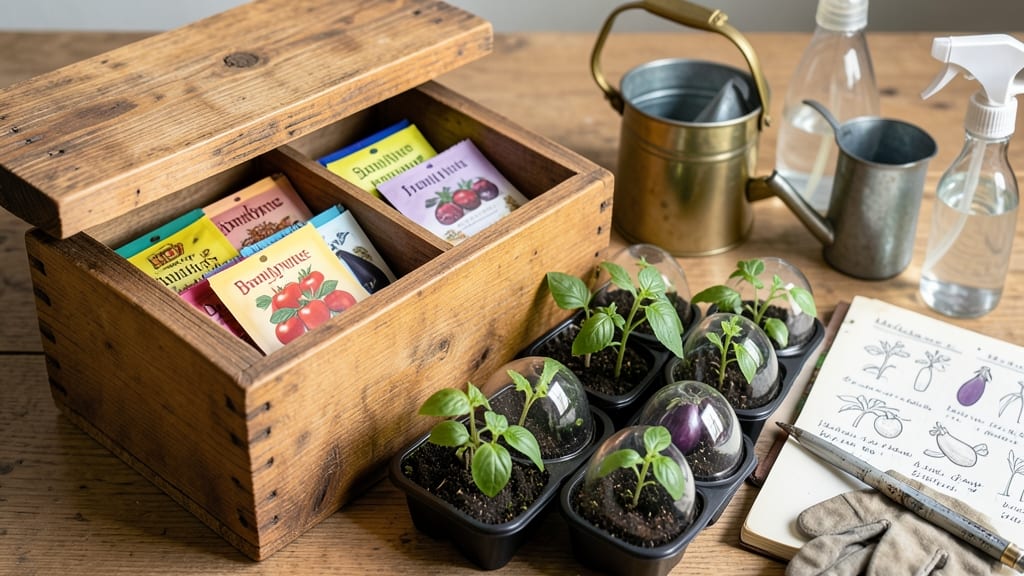
Baker Creek Garden Seeds specializes in rare heirloom varieties that deliver unmatched flavor, genetic diversity, and non-GMO integrity, making them a top choice for serious gardeners seeking authentic, sustainable seed options.
These seeds aren't just about growing plants—they're about preserving history and flavor profiles lost in commercial agriculture. 🌱 Their collections include varieties like Cherokee Purple tomatoes and Black Krim potatoes, which thrive better in diverse climates than hybrid seeds.
What sets them apart is their commitment to open-pollinated seeds, ensuring you can save and replant seeds year after year without losing quality.
Beyond the seeds themselves, Baker Creek provides resources most seed companies overlook. Their free growing guides offer region-specific planting advice, while their customer service team answers questions about everything from soil prep to pest control.
It's this combination of heritage genetics, practical support, and ethical sourcing that makes their catalogs so valuable to both novice and experienced gardeners.
💡 In This Article
- Why Baker Creek’s Heirloom Seeds Are a Gardener’s Favorite
- How to Maximize Your Baker Creek Seed Purchase
Why Baker Creek’s heirloom seeds are a gardener’s favorite
Baker Creek’s heirloom seeds carry centuries of agricultural history in every packet. These varieties trace back to pre-1940s open-pollinated plants, meaning they’ve been grown, saved, and perfected by generations of farmers. The genetic diversity in these seeds creates plants that adapt better to local conditions—something modern hybrids often lack.
For example, their Cherokee Purple tomatoes produce fruit with 20% more lycopene than commercial varieties, giving them that rich, meaty texture and deeper flavor that home gardeners crave. 🌿
The non-GMO commitment goes beyond marketing—it’s rooted in science. Heirloom seeds naturally resist genetic modification because their open-pollinated nature maintains stable traits through generations. This means you’re growing plants that thrive without chemical interventions, producing vegetables like Black Krim potatoes that develop natural resistance to common blight strains.
Their seed collections also include rare disease-resistant varieties, like ‘Amana Orange’ corn, which has built-in drought tolerance from its heritage in Iowa’s challenging climate.
What truly sets Baker Creek apart is their focus on preserving biodiversity. While commercial seed companies often prioritize uniformity for mass production, Baker Creek’s catalog includes over 1,500 varieties—many on the verge of extinction in industrial agriculture.
Their ‘Lavender’ cauliflower, for instance, contains unique anthocyanin pigments that give it a stunning purple hue and 25% more vitamin C than green varieties. This genetic diversity creates resilient plants that can handle everything from urban heat islands to rural farm conditions.
The open-pollinated nature of these seeds means you can save seeds from your harvest year after year without losing quality. Unlike hybrids that produce sterile second-generation plants, Baker Creek’s seeds maintain their characteristics through generations. This creates a feedback loop where gardeners become stewards of living genetic libraries.
For example, their ‘Mammoth Melting’ snow peas produce seeds that remain viable for 5-7 years when stored properly, allowing you to build your own seed collection over time.
Baker Creek’s seed selection also addresses modern gardening challenges. Many of their varieties perform exceptionally well in USDA Hardiness Zones 3-10, making them adaptable to nearly any climate. Their ‘German Butterball’ squash, for instance, thrives in both short-season northern gardens and long growing periods in the south.
The company’s research team tests each variety in multiple locations to ensure it meets their rigorous standards before inclusion in the catalog.
Consider this: while commercial seed companies might offer 5-10 tomato varieties, Baker Creek carries over 100, including ‘Brandywine’ (famous for its beefsteak slices) and ‘Sun Gold’ cherry tomatoes (which produce 300+ fruits per plant).
This breadth of options means you can experiment with flavors and growing conditions to find the perfect match for your garden’s microclimate. 🌱