
Tools
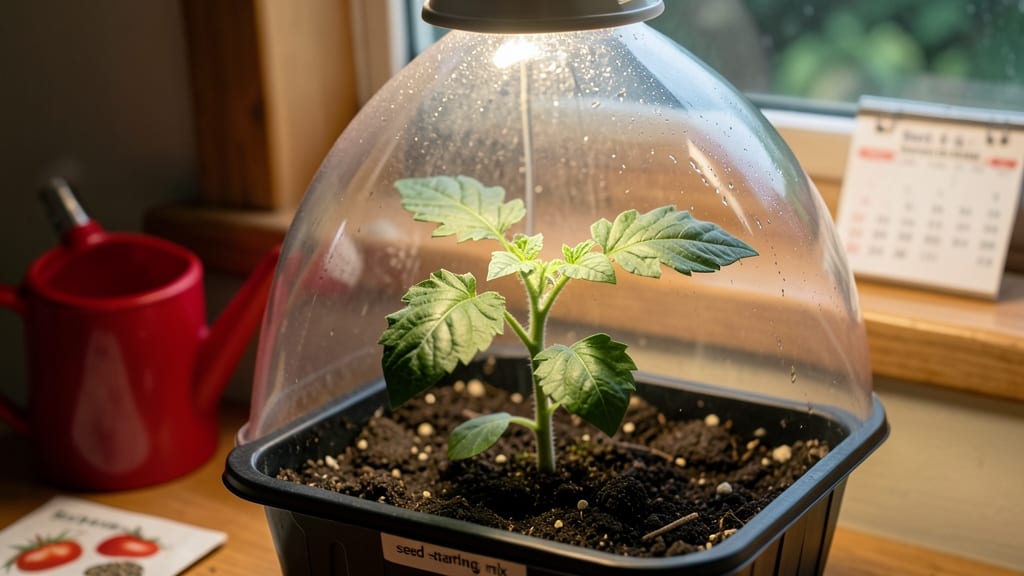
Starting garden seeds indoors at the right time means the difference between a thriving spring harvest and a sad pile of leggy seedlings.
Picture this: you’ve got your seed trays ready, the soil is fluffy, and you’re eager to see those first sprouts. But if you plant too early, your seedlings will stretch toward the window like teenagers begging for freedom—only to outgrow their containers before it’s safe to move them outside.
Timing isn’t just about avoiding overcrowded seedlings; it’s about matching your plants’ growth cycles to your local frost dates.
In Zone 6a, where frost lingers until mid-April, most General Garden Seeds 🌱 should hit the soil 4-8 weeks before that date—so February or early March is prime time for tomatoes, peppers, and leafy greens.
Below, I’ll break down the exact start dates for your region, how to adjust for early starts or succession planting, and the tools you’ll need to keep those seedlings strong until transplant day.
Indoor seed starting deadlines: last-frost date calculator by plant type
Getting your indoor seed starting timeline right means the difference between healthy transplants and sad, leggy failures. The key? Knowing your last frost date and each plant's days-to-maturity. For example, in USDA Zone 6a (like much of the Midwest), your last frost typically falls around April 15.
But without a calculator, figuring out when to start tomatoes (60–85 days) versus peppers (70–90 days) can feel like guesswork.
Here’s the secret: subtract the plant’s days-to-maturity from your last frost date, then add 2–4 weeks for hardening off. For basil (30–45 days), you might start in early March, while broccoli (50–70 days) needs a mid-February head start.
The chart below breaks it down by plant type so you can plan with confidence.
Pro tip: Use a seed starting calculator (like the one from Johnny’s Selected Seeds) to plug in your last frost date and get exact dates. For example, if your last frost is May 1 (like in Zone 7b), you’d start tomatoes in early April instead.
Adjust for succession planting—like sowing lettuce every 2 weeks—to keep a steady harvest.
Don’t forget to account for hardening off, a 7–10 day process where seedlings acclimate to outdoor conditions. Skip this step, and your transplants will bolt or wilt when moved outside. For tender plants like eggplants (80–90 days), wait until nighttime temps stay above 55°F before transplanting.
Regional tweaks matter too. In Zone 5a (earlier frost), start peppers in January under grow lights. In Zone 8a (later frost), you might direct-sow some crops like beans after your last frost. Check your local cooperative extension service for hyper-local advice—some years, frost dates shift by weeks!
For
Common mistakes that kill indoor seedlings (and how to avoid them)
Starting seeds indoors is exciting, but even the most eager gardeners can accidentally sabotage their seedlings with common mistakes. Overwatering, poor lighting, and temperature swings are the top culprits behind weak or dead seedlings.
These issues often go unnoticed until it’s too late, so recognizing the signs early is key to saving your plants. Let’s dive into the most frequent pitfalls and how to fix them before they derail your gardening plans.
One of the biggest mistakes is overwatering seedlings, which leads to root rot and damping-off—a fungal disease that cuts seedlings off at the soil line. I’ve seen this happen when gardeners assume seedlings need constant moisture like mature plants.
The truth? Seedlings prefer consistently moist soil, not soggy conditions. Stick your finger an inch into the soil; if it’s damp, wait before watering again. Use a spray bottle for gentle watering to avoid disturbing delicate seedlings.
Another silent killer is insufficient light, which causes seedlings to stretch toward any available light source, becoming tall and leggy. These etiolated seedlings are weak and prone to falling over. If your seedlings are leaning dramatically or have pale, elongated stems, they’re begging for more light.
A south-facing window might not provide enough intensity, especially in cloudy weather. Consider supplementing with a grow light placed just a few inches above the seedlings for 12–16 hours daily.
🚨 Warning: Temperature Swings Can Be Fatal
Seedlings thrive in stable temperatures between 65–75°F (18–24°C). Draughts from windows, radiators, or AC vents can cause sudden temperature drops, shocking delicate seedlings. Place your seedling trays on a heat mat set to 70–75°F (21–24°C) for consistent warmth, especially in cooler homes.
Avoid placing seedlings near doors that open frequently or in areas with fluctuating temps.
Poor soil quality is another overlooked issue. Using garden soil or potting mix with high organic matter can lead to compaction and poor drainage, suffocating roots. Always use a lightweight, sterile seed-starting mix designed for seedlings.
These mixes are free of weeds, pests, and diseases, giving your seedlings the best possible start. Avoid reusing old soil from previous plantings, as it may harbor pathogens or depleted nutrients.
Finally, transplant shock often occurs when seedlings are moved too soon or handled roughly. Before transplanting, harden off seedlings by gradually exposing them to outdoor conditions over 7–10 days. Start with a few hours in a shaded area and increase exposure daily.
Use a small trowel to gently loosen seedlings from their trays, and avoid pulling them by the stems. Plant them at the same depth they were growing indoors to prevent stress.
By addressing these common mistakes proactively, you’ll give your seedlings the best chance to grow into strong, healthy transplants. Keep an eye out for early signs of distress—yellowing leaves, wilting, or slow growth—and adjust your care routine immediately.
With the right conditions, your indoor seedlings will be ready to thrive outdoors when the time comes! 🌱