Tools
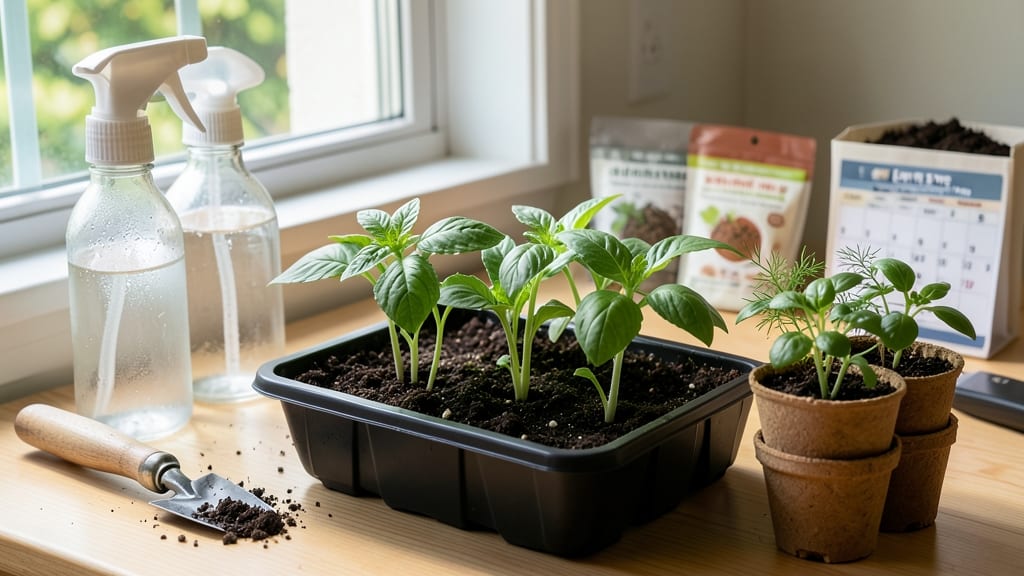
Start garden seeds indoors 4-8 weeks before your last frost date—this is the golden rule for coaxing strong, healthy seedlings that’ll thrive in your garden 🌱.
Timing your garden seeds incorrectly can mean the difference between a thriving harvest and wasted effort—so knowing when to start them indoors (or outdoors) is just as critical as choosing the right varieties.
Whether you’re growing tomatoes in Zone 6a or delicate herbs, the countdown to frost determines everything from transplant timing to avoiding leggy seedlings that flop when moved outside.
Below, I’ll break down the exact indoor and outdoor schedules for your favorite plants, plus how to adjust for early springs, late frosts, or even a second summer crop.
Indoor seed starting timeline by plant type: when to begin for maximum success
Getting your indoor seed starting timeline right ensures your seedlings are strong and ready for the garden when the time comes. The key is balancing last frost dates, plant maturity rates, and your USDA hardiness zone.
For example, in Zone 6a, where the last frost typically hits around April 15, you’ll need to start heat-loving plants like tomatoes much earlier than cold-hardy greens.
Cold-hardy plants like lettuce and spinach can often be sown directly outdoors just 2-4 weeks before the last frost, but tender plants like peppers and eggplants need a 10-12 week head start indoors.
Understanding these differences saves you from stunted growth or bolting before harvest. Let’s break down the best indoor starting windows for your garden staples.
For Zone 6a gardeners, I recommend starting tomatoes and peppers by mid-January to give them enough time to mature before the last frost. These heat-loving plants need a long growing season, so rushing their start can lead to leggy, weak seedlings.
Use grow lights if your windows don’t get enough sunlight, as seedlings need 14-16 hours of light daily for strong stems.
If you’re in a warmer zone (Zone 8a+), adjust your timeline by 4-6 weeks later. For example, start tomatoes in late February instead of January.
Always check your local frost dates—they can vary even within the same zone. Use the National Weather Service or your local cooperative extension for precise data.
One of my biggest seed-starting mistakes was waiting too long to start basil. Since it’s sensitive to cold, I lost a week of growth by starting it too late. Now, I mark my calendar for February 15 as the cutoff for basil indoors.
For cold-hardy crops like kale, I often skip indoor starting entirely and sow directly in early spring for a faster, hardier plant.
Don’t forget to harden off seedlings before transplanting! This means gradually exposing them to outdoor conditions over 7-10 days to avoid shock. Start with 2-3 hours of shade on day one, then increase time and sunlight exposure.
For Zone 6a, I begin hardening off in late April, just as the soil begins to warm.
Pro tip: Use a seed-starting journal to track when you plant each variety and note any adjustments for next year. For example, if your peppers took longer to mature than expected, you’ll know to start them 2 weeks earlier next time.
This small habit can save you from late-season disappointments.
If you’re new to seed starting, begin with easy-to-grow varieties like bush beans, zucchini, or marigolds. These forgive minor timing mistakes better than finicky plants like eggplants.
With practice, you’ll develop an instinct for when to start each plant based on your microclimate and garden goals.
Remember, the perfect seed-starting window depends on your local conditions, not just your zone. A low-lying area might frost later than the official date, while a south-facing slope could warm up faster.
Pay attention to your garden’s unique patterns, and don’t be afraid to experiment—some of my best harvests came from unexpectedly early starts
Outdoor seed starting rules: when to direct-sow vs. transplant seedlings
Deciding whether to direct-sow seeds outdoors or transplant seedlings depends on soil temperatures, plant hardiness, and local frost dates.
Some plants, like lettuce or peas, thrive when sown directly into cool soil, while others, such as tomatoes or peppers, need a head start indoors to avoid stunted growth. Understanding these rules saves time and ensures healthier plants.
For spring planting, most gardeners wait until soil temperatures reach 50-60°F for cool-season crops like carrots or radishes.
Warmer-season plants, however, like beans or cucumbers, prefer 65-75°F soil to germinate properly. Pest risks also play a role—direct-sowing exposes seeds to birds, insects, and diseases, while seedlings give you a controlled start.
Direct-Sowing Seeds Outdoors
- Saves time (no transplanting)
- Better root development (undisturbed growth)
- Ideal for hardy crops (e.g., beans, peas)
- Exposed to pests and weather
- Slower germination in cold soil
- Limited to short-season plants
Transplanting Seedlings
- Longer growing season for heat-lovers (tomatoes, peppers)
- Controlled environment reduces pest risks
- Faster maturity for high-value crops
- Transplant shock can delay growth
- Requires indoor space and equipment
- More labor-intensive (watering, thinning)
For summer planting, focus on heat-tolerant crops like okra or sweet potatoes, which can be direct-sown after May 15 in most zones. Fall is ideal for cool-season crops again—think spinach or kale—sown 6-8 weeks before first frost.
Always check your local frost dates and adjust timing accordingly.
Use a soil thermometer to monitor temperatures—50°F is the minimum for most seeds, while 70°F+ is needed for tropical plants.
If your soil is too cold, opt for transplants or use black plastic mulch to warm it faster. Moisture levels matter too: keep soil consistently damp but not soggy to avoid damping-off disease.
Pro tip: Succession planting works well for both methods. For direct-sowing, plant radishes every 2 weeks for continuous harvests. For transplants, stagger lettuce or basil starts every 3-4 weeks to extend your harvest window. This maximizes your garden’s productivity year-round.
Remember, local microclimates matter. A south-facing bed warms faster than a shaded spot, so adjust timing based on your garden’s specific conditions. When in doubt, start with transplants for finicky plants like tomatoes or eggplants—they’ll thank you with bigger yields! 🌱