
Companion Plants
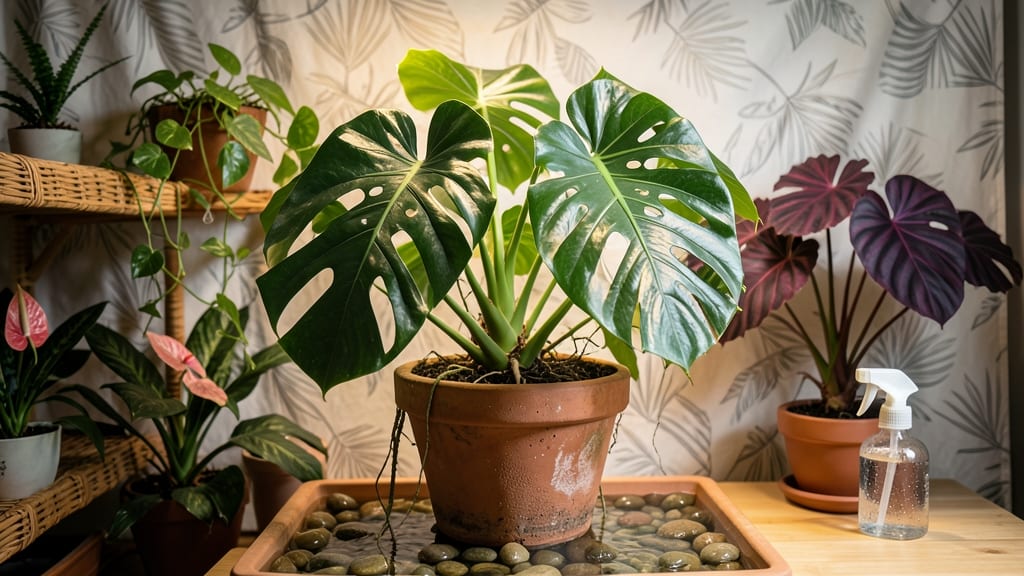
Gardening tropical plants successfully hinges on mastering their humidity and light needs—two factors that can make or break their health, even in non-tropical climates.
Picture this: your 🌴 lush tropical garden thriving year-round, with vibrant foliage and zero guesswork. The secret isn’t just soil or water—it’s creating the right microclimate. Too little humidity, and your plants wilt despite your best efforts.
Too much direct sun, and those delicate leaves crisp at the edges. But get it right, and you’ll unlock a world where orchids bloom indoors and palms stretch tall in containers.
Here’s the game-changer: most tropical plants need 60-80% humidity and bright, indirect light—conditions you can replicate with simple tools, whether you’re in a dry apartment or a sunny patio.
I’ll walk you through the exact tricks to mimic their natural habitat, from DIY humidity boosters to light placement hacks that prevent leaf burn.
Ready to transform your space? You’ll learn which tropical varieties are the easiest to care for, how to spot early signs of stress, and even how to adjust your routine as seasons shift. Let’s make your tropical plants the star of your garden—no matter where you live.
How humidity levels directly impact tropical plant survival
Tropical plants thrive in environments where humidity levels hover between 60-80%. This moisture-rich air mimics their natural rainforest habitats, where high humidity prevents dehydration and supports lush foliage. When humidity drops below 50%, even the hardiest tropical plants start showing stress—often in subtle but telling ways.
Low humidity forces plants to work harder to absorb moisture through their leaves, leading to brown leaf tips, curled edges, and stunted growth. For example, a monstera deliciosa might develop crispy leaf margins, while a calathea could show brown spots as a direct response to dry air.
Understanding these signs is the first step to creating a thriving tropical oasis—even in arid climates.
| Humidity Requirement | Ideal Range | Signs of Stress | Natural Solutions |
|---|---|---|---|
| Tropical Plants (General) | 60-80% | Brown leaf tips, curled edges | Group plants, use pebble trays |
| Orchids & Ferns | 70-90% | Drooping leaves, yellowing | Mist leaves daily, use humidifier |
| Palms & Banana Plants | 55-75% | Leaf scorch, slow growth | Create indoor rainforest with misting |
| Calatheas & Philodendrons | 65-85% | Brown spots, leaf drop | Humidity domes, terrariums |
In dry climates, where humidity naturally dips below 40%, tropical plants often suffer from transpiration stress. This occurs when leaves lose moisture faster than roots can absorb it.
To combat this, I recommend grouping plants together—this creates a microclimate where moisture evaporates from one plant's leaves and benefits its neighbors.
For artificial humidity solutions, a simple pebble tray filled with water and decorative stones works wonders. Place your plants on top, and as the water evaporates, it increases local humidity.
Another budget-friendly option is a DIY humidity tent made from a clear plastic bag with holes for airflow—perfect for seedlings or delicate cuttings.
If you're in a humid climate but still notice stress, the issue might be poor air circulation. Tropical plants need gentle airflow to prevent fungal diseases like powdery mildew.
Use a small fan on low speed near your plants to mimic the gentle breezes of their native environments. Just avoid direct drafts, which can dry leaves too quickly.
For high-maintenance tropicals like orchids or calatheas, investing in a humidifier is often the best solution. Look for models with adjustable settings—aim for 70-80% humidity during the day and slightly lower at night.
Pair this with a hygrometer to monitor levels accurately and avoid over-saturating the air, which can lead to mold.
Seasonal changes also play a role. In winter months, indoor heating systems can drop humidity to 20-30%, causing leaf burn. To counteract this, I place a bowl of water near radiators or use a spray bottle to lightly mist leaves in the morning.
This mimics natural dew cycles and keeps foliage hydrated without promoting fungal growth.
One common mistake is assuming all tropical plants have the same humidity needs. For example, ZZ plants tolerate 40-50% humidity better than bird-of-paradise plants, which require 65%+. Always research your specific plant’s native habitat—this gives you the best clue about its ideal moisture levels.
A monstera from Central America will handle slightly lower humidity than a philodendron from South America’s rainforests.
Finally, pay attention to your plants’ growth patterns. Healthy tropical plants grow steadily with vibrant, glossy leaves. If you notice yellowing leaves or leaf drop, it’s often a sign of either overwatering or under-humidification.
Adjust your care routine accordingly—sometimes, simply increasing humidity can revive a struggling plant faster than any fertilizer.
With the right humidity strategies, you can create a thriving tropical garden—whether you're in a desert climate or a coastal region. Start small, monitor your plants closely, and don’t hesitate to experiment with different methods until you find what works best for your space. 🌿💧
Best lighting strategies for tropical plants in limited sunlight
Tropical plants like monstera and bird-of-paradise need bright, indirect light to thrive—but what if your space only gets 2-4 hours of sun? The key is balancing natural light sources with artificial grow lights to prevent weak growth or leaf scorch.
Let’s break down your best options for creating the perfect tropical light environment.
First, assess your natural light sources. A south-facing window provides the most light, but even here, direct midday sun can burn delicate tropical leaves. Instead, place plants 3-5 feet away from the window to filter harsh rays.
For east or west-facing windows, you can get 4-6 hours of gentle light, ideal for ferns and calatheas.
If natural light is insufficient, artificial grow lights are a game-changer. LED grow lights are energy-efficient and emit a full spectrum, while fluorescent lights are budget-friendly but less potent. For best results, position lights 6-12 inches above plants and use them for 12-16 hours daily to mimic tropical daylight.
| Lighting Option | Best For | Placement Tips | Light Duration |
|---|---|---|---|
| South-Facing Window | Large tropicals (e.g., rubber plants, palms) | 3-5 ft from window; use sheer curtains | 6-8 hours |
| East/West Window | Ferns, calatheas, peace lilies | 1-3 ft from window; rotate weekly | 4-6 hours |
| LED Grow Lights | High-light tropicals (e.g., orchids, hibiscus) | 6-12 inches above plants; adjustable height | 12-16 hours |
| Fluorescent Lights | Low-light tropicals (e.g., snake plants, pothos) | 4-6 inches above plants; use reflectors | 10-12 hours |
For greenhouse setups, maximize natural light with clear or translucent panels and supplement with grow lights during shorter winter days. If using a greenhouse, ensure proper ventilation to prevent overheating, which can stress tropical plants even more than light deprivation.
Watch for signs of light stress: yellowing leaves mean too much light, while stretched, weak stems signal insufficient light. Adjust your setup accordingly—tropical plants are resilient, but they need the right balance to flourish. With the right lighting, you’ll see vibrant growth and lush foliage year-round.
Pro tip: Rotate your plants quarterly to ensure even light exposure and prevent one-sided growth. This simple step can make a huge difference in your tropical garden’s health and appearance.