
Tools
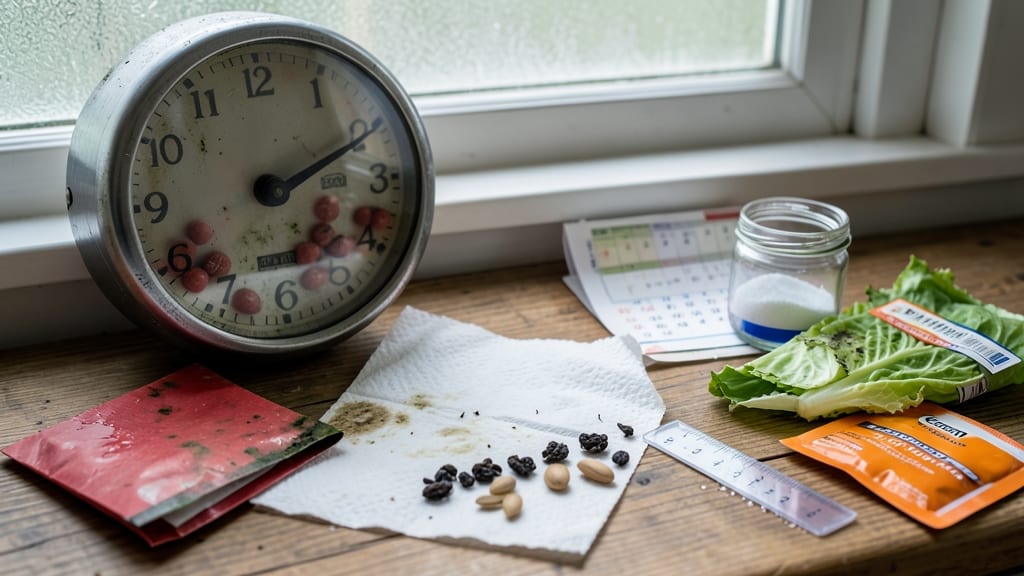
Garden seeds do go bad over time, losing viability within 1-5 years depending on storage conditions, seed type, and moisture exposure. Check seed packets for expiration dates and test germination rates before planting.
Garden seeds degrade because they're living organisms that eventually lose their ability to sprout. 🌱 The biggest threats are humidity and temperature swings—even a slightly damp packet can trigger mold or rot.
I've seen hardy seeds like beans last up to 5 years in ideal conditions, while delicate varieties like lettuce may only stay viable for 1-2 years. Proper storage in airtight containers with silica gel packets can extend their lifespan significantly.
Most seed packets include expiration dates, but these are often best-guess estimates rather than scientific guarantees. For critical varieties, I recommend the paper towel germination test: place seeds between damp paper towels and check for sprouts after 5-7 days.
This simple method gives you real data about what's still worth planting.
💡 In This Article
- Factors That Affect Garden Seed Longevity
- How to Test and Store Seeds for Maximum Freshness
Factors that affect garden seed longevity
The primary reason seeds lose viability is through moisture damage, which triggers enzymatic breakdown of the embryo inside.
Even a relative humidity above 30% can cause seeds to sprout prematurely or develop mold within their protective coats. 🌱 For example, lettuce seeds—with thin, delicate coats—often degrade within 1-2 years if exposed to dampness, while bean seeds (with thicker coats) may last 3-5 years under ideal conditions.
Temperature fluctuations also play a critical role. Seeds stored above 70°F experience accelerated metabolic activity, depleting their internal energy reserves faster. The sweet spot for longevity is 32-41°F, where chemical reactions slow dramatically.
Oxygen exposure further compromises seeds by promoting oxidation of fats and proteins in the embryo—this is why airtight containers are essential, especially for seeds with high oil content like sunflower seeds.
Seed coat integrity determines how well a seed resists environmental damage. Thick, waxy coats (found in corn or squash) provide natural protection against moisture and physical abrasion, while paper-thin coats (like those on radish seeds) offer little defense.
The mechanical stress from improper handling—like crushing seeds during storage—can also create microscopic entry points for pathogens.
Light exposure indirectly affects longevity by increasing temperature and promoting premature germination. Seeds stored in opaque containers or dark cupboards maintain their viability far longer than those kept in clear plastic bags near windows.
For instance, tomato seeds stored in direct sunlight may lose 50% viability within a year, while identical seeds kept in darkness retain 90% viability.
Different seed families exhibit varying resilience. Legumes (beans, peas) typically last 2-4 years due to their hard seed coats and low moisture content, while leafy greens (spinach, kale) often degrade within 1 year because their embryos are more metabolically active.
Even within a species, individual seed batches can vary by 10-20% in viability due to genetic differences.
What most gardeners don't realize is that seeds also "age" internally through a process called after-ripening, where stored starches convert to sugars that can crystallize over time. This natural chemical shift reduces germination success rates by 5-15% per year for many common vegetables.