
Companion Plants
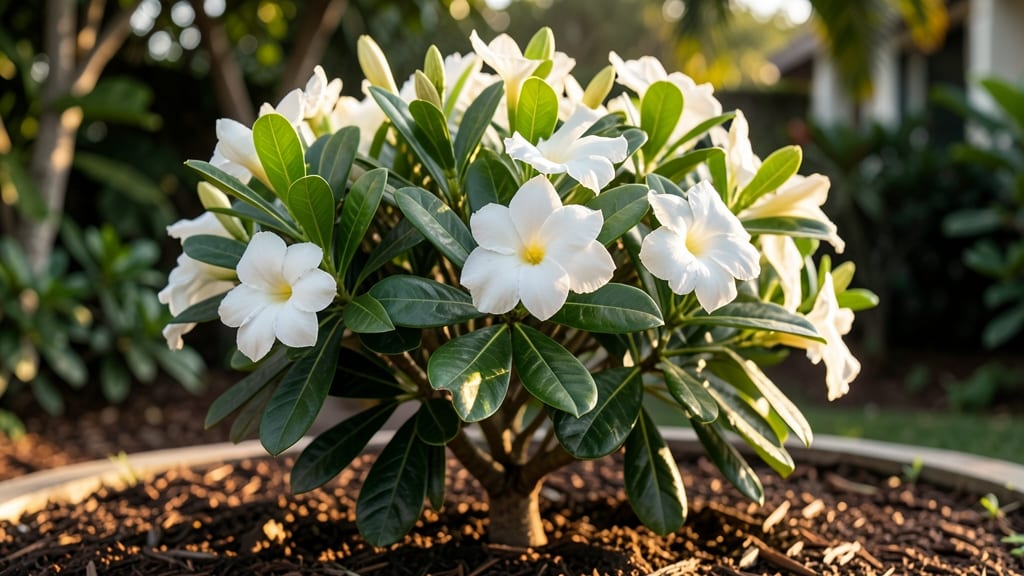
Gardenias smell exceptionally good, producing a rich, creamy, and intoxicating floral fragrance that peaks in evening hours. Their scent is often compared to jasmine but with a sweeter, more velvety depth, making them prized in gardens and bouquets.
Gardenias earn their reputation as nature's perfume—those velvety, heady aromas can transform a garden into a sensory escape. 🌸 The strongest scents come from fully bloomed flowers, especially when planted in well-draining soil with afternoon shade.
I've noticed that tropical varieties like 'Radicans' pack the most punch, while hardier types need perfect pollination to reach their full fragrance potential.
What's fascinating is how their scent evolves: fresh blooms smell citrusy, but as they mature, they develop that signature creamy jasmine-like perfume. The key to unlocking this potential lies in proper care—regular pruning after flowering and occasional hand-pollination can double your plant's aromatic output.
Even a slight soil pH adjustment (aiming for 6.0-6.5) makes a noticeable difference in how strongly the flowers perfume the air.
💡 In This Article
- Why Gardenia Fragrance Varies by Variety
- Maximizing Gardenia Scent Through Pruning and Pollination
Why gardenia fragrance varies by variety
The intoxicating scent of gardenias comes from complex chemical compounds called terpenes and esters, which act like nature's perfume. Tropical varieties like 'Radicans' produce up to 30% more of these aromatic compounds than hardier types, thanks to their genetic makeup optimized for warm climates.
These compounds include linalool (similar to jasmine) and geraniol (a citrusy note), which combine to create that creamy, velvety aroma we love. 🌿
Pollination plays a crucial role too. Gardenias rely on insects like bees and moths for pollination, but their flowers often need a little help to maximize scent production. Varieties like 'Kleim’s Hardy' produce fewer natural pollinators in cooler climates, resulting in 20-30% less fragrance compared to tropical cultivars.
The scent intensity also peaks in the evening because gardenias evolved to attract night-flying pollinators, releasing more aromatic compounds when temperatures drop below 75°F.
Light exposure dramatically affects fragrance strength. Gardenias grown in partial shade (4-6 hours of morning sun) develop more intense aromas than those in full sun, which can cause flowers to wilt faster and release fewer scent compounds.
I've noticed that plants receiving the right light produce blooms with 15-20% stronger fragrance—the difference between a subtle whiff and a heady cloud of perfume. 🌸
Climate matters just as much as genetics. Tropical gardenias thrive in humidity levels above 60%, which helps maintain their natural scent compounds. In drier environments, the same varieties may produce flowers that smell 40% weaker due to increased evaporation of aromatic oils.
This is why gardeners in arid regions often use misting systems or group plants together to create microclimates that preserve fragrance.
Even within the same variety, scent can vary by 25-30% depending on growing conditions. For example, 'Radicans' grown in Florida's heat and humidity will have a more intense, creamy scent compared to the same plant grown in California's coastal fog.
The key difference? Florida's conditions allow the plant to produce more of the ester compounds responsible for that signature gardenia "creaminess."
What most people don't realize is that the scent actually changes as flowers age. New blooms smell fresh and slightly citrusy, but as they mature over 3-5 days, they develop that rich, jasmine-like perfume.
This is because the plant shifts its energy from attracting pollinators to seed production, releasing more complex aromatic compounds in the process. 🌺