
Plants
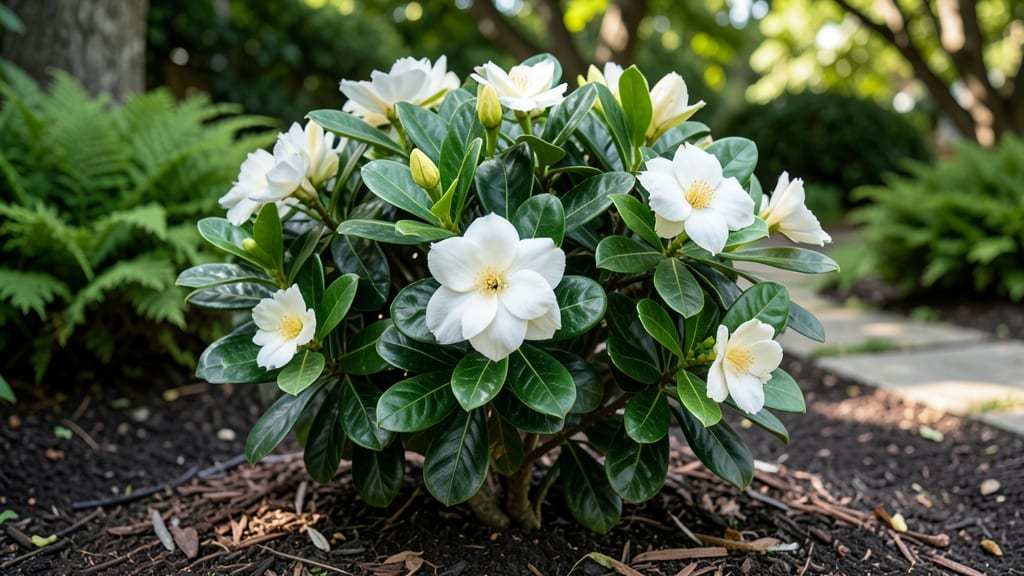
Gardenia plants bloom in late spring through summer 🌸, with timing that depends on your climate zone, variety, and how you care for them.
If you’ve ever waited patiently for those fragrant white blossoms to appear—only to be left with lush green leaves and no flowers—you’re not alone. The secret lies in understanding your gardenia’s natural rhythm and giving it the right conditions to thrive.
In warmer zones like USDA 9-11, gardenias often burst into bloom as early as April, while those in cooler areas like Zone 6a may not see flowers until June or July.
With the right pruning, sunlight, and feeding schedule, you can even coax a second round of blooms later in the season.
Below, I’ll break down the exact months to expect flowers in your area, the pruning tricks that trigger blooms, and how to keep your gardenia flowering year after year—no guesswork required.
Best months for gardenia blooms by climate zone (USDA guide)
Gardenia plants are famous for their intoxicating fragrance and glossy white blooms, but their bloom timing varies dramatically based on your USDA climate zone. Whether you live in the humid tropics or a cooler temperate region, understanding these patterns helps you set expectations and adjust care routines.
Tropical gardenias (Zones 10-11) may bloom year-round, while temperate varieties (Zones 6-9) have distinct seasonal cycles. Let’s break down what to expect—and how to encourage more flowers—based on where you garden.
In USDA Zones 6-7, gardenias typically bloom from late May through July, with occasional reblooms in September if conditions are ideal. These zones experience cooler winters, so gardenias often enter dormancy, requiring careful winter protection to ensure next year’s blooms.
In contrast, Zones 8-9 enjoy longer bloom seasons, stretching from April to October, as milder winters allow for continuous growth. Meanwhile, gardenias in Zones 10-11 can flower year-round, though peak blooms often occur in spring and fall.
🌸
If you’re in Zones 6-7, your gardenia’s first blooms will likely arrive after the last frost date, around late May.
To extend the season, prune lightly in early spring to encourage new growth, and fertilize with an acid-loving plant food like 10-10-10 NPK in April and June. In Zones 8-9, where winters are milder, gardenias can bloom as early as March and continue through fall.
Here, the key is maintaining consistent moisture and partial shade to prevent leaf scorch.
For gardeners in Zones 10-11, the real secret to year-round blooms lies in monthly fertilization and regular pruning to remove spent flowers.
These tropical varieties thrive with high humidity and bright, indirect light, so if you’re growing them in containers, consider a humidifier or pebble tray during dry spells. Even in warmer climates, gardenias appreciate a short rest period—reduce watering slightly in winter months to mimic their natural dormancy cycle.
One common misconception is that gardenias bloom only once per year. While temperate varieties often have a single peak season, tropical gardenias can rebloom with the right care. To encourage off-season blooms in Zones 6-9, try light pruning in late summer and a balanced fertilizer in early fall.
This tricks the plant into thinking it’s spring, prompting new flower buds to form. Just avoid heavy pruning in winter, as this can delay next year’s blooms.
🌿
Soil pH plays a critical role in bloom timing. Gardenias thrive in acidic soil with a pH between 5.0 and 6.5. If your soil is too alkaline, your plant may produce fewer blooms or none at all.
Test your soil in early spring and amend it with sulfur or peat moss if needed. In container gardening, use a pre-mixed acidic potting soil and repot every 2-3 years to refresh nutrients. Even a slight pH shift can delay blooming by weeks or even months.
Another factor to watch is sunlight exposure. While gardenias love bright, indirect light, too much direct afternoon sun can stress the plant and reduce flowering.
In Zones 8-11, provide morning sun and afternoon shade, while Zones 6-7 gardenias can handle full sun as long as they’re well-watered. If you notice yellowing leaves or dropping buds, it’s a sign your plant is struggling with heat stress or overwatering.
✂️
Finally, don’t underestimate the power of pruning. Prune your gardenia right after blooming to shape the plant and encourage next year’s flowers. Avoid heavy pruning in late summer, as this can prevent bud formation.
For container gardenias, a light trim every 6-8 weeks keeps them compact and promotes blooming. And remember:
How to trigger gardenia blooms: pruning & care secrets
Your gardenia’s fragrant white blossoms are its crowning glory, but many gardeners struggle to coax them into bloom. The secret lies in timing, pruning technique, and creating ideal growing conditions. Unlike some plants, gardenias need specific care cues—like strategic pruning and consistent moisture—to trigger those showstopping flowers.
Most gardenias bloom between late spring and early fall, but the exact timing depends on your USDA zone and care routine. In warmer climates (zones 9-11), you might see flowers as early as March or April, while cooler zones (6-8) typically wait until May or June.
The key is understanding how to encourage blooming through targeted pruning and seasonal adjustments.
⚠️ Common Mistake: Over-Pruning or Wrong Timing
Gardenias bloom on old wood, meaning last year’s growth produces this year’s flowers. Pruning after blooming (late summer) removes flower buds for next season. Never prune in fall or winter—this cuts off potential blooms entirely. Also, avoid heavy pruning in spring when buds are forming.
Start with pruning for blooms. Right after your gardenia finishes flowering (typically late summer), trim back overgrown branches by about one-third. Use clean, sharp shears to make cuts just above a leaf node or bud. This encourages new growth that will develop next year’s flower buds.
Light is another critical factor. Gardenias thrive in bright, indirect light with 4-6 hours of morning sun. Too much afternoon sun can scorch leaves, while too little light delays blooming.
If growing indoors, place your plant near an east-facing window or use a grow light for 6-8 hours daily during shorter winter days.
Watering plays a direct role in blooming. Gardenias need consistent moisture—water deeply every 3-5 days during active growth (spring-fall), keeping soil evenly damp but not soggy.
In summer, increase to daily watering if temperatures exceed 85°F. Yellowing leaves often signal underwatering, while brown edges mean overwatering or poor drainage.
Feed your gardenia with a balanced, acid-loving fertilizer (like 10-10-10) every 4-6 weeks during the growing season. In early spring, use a lighter feed to stimulate new growth, then switch to a phosphorus-rich formula (like 5-10-5) in late spring to encourage blooming.
Always water before and after fertilizing to prevent root burn.
Finally, monitor your gardenia’s soil pH. These plants thrive in acidic soil (pH 5.0-6.5). Test your soil annually and amend with peat moss or sulfur if needed. A pH above 7.0 can lock out nutrients, stunting growth and preventing blooms.
With the right pruning, light, water, and soil, your gardenia will reward you with abundant, fragrant blooms year after year. 🌸