
Blooming
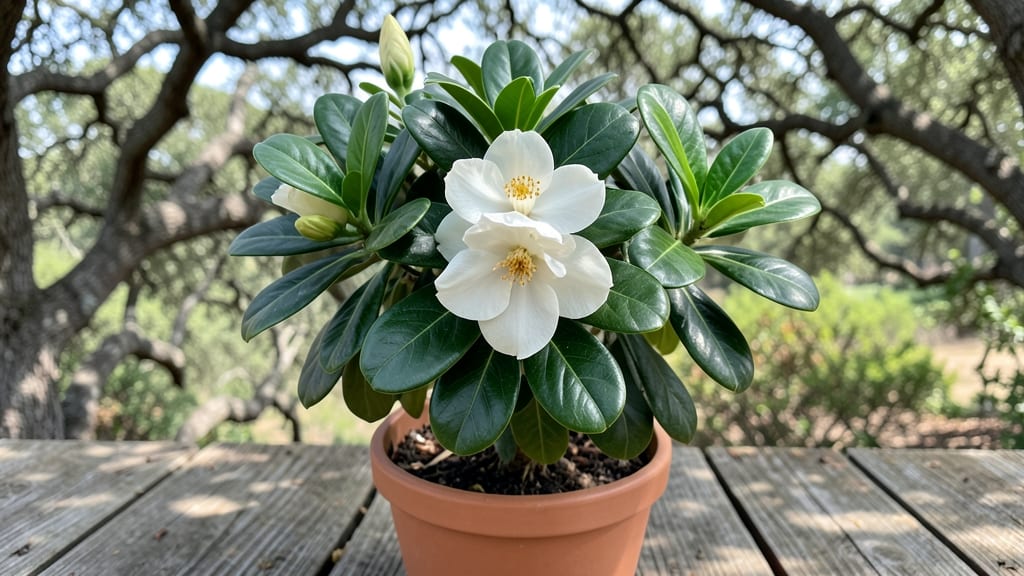
Gardenias in Florida bloom when the air is thick with humidity and temperatures hover just above 75°F, typically in late spring through early summer — but their timing can shift with the seasons.
Florida gardeners know the sweet, intoxicating scent of gardenias—but timing is everything. These fragrant favorites bloom in response to Florida’s unique climate, and missing their peak can mean waiting another year for that signature perfume.
While many assume gardenias bloom year-round in the Sunshine State, the truth is more nuanced. Coastal areas often see a second flush of blooms in fall after heavy rains, while inland regions may experience a single, more concentrated spring display.
In this guide, I’ll break down the exact windows for your zone, how to spot the best conditions, and the simple care tweaks that can bring out those creamy blooms earlier or extend their season.
Florida gardenia blooming seasons: Rainfall & heatwave triggers
Florida gardenias (Gardenia jasminoides) don’t follow a strict calendar—they bloom in response to rainfall patterns and heatwave triggers that vary by region. Unlike northern states, Florida’s frost-free climate creates two primary blooming windows: spring and fall, with South Florida often seeing year-round blooms due to milder temperatures.
These tropical shrubs thrive when heavy summer rains recharge the soil, followed by hot, humid days that signal blooming. North Florida’s cooler winters delay fall blooms until October, while South Florida gardenias may flower as early as March after spring showers. Understanding these cues helps you anticipate—and even encourage—peak fragrance.
🌸 Key Blooming Triggers: - Rainfall spikes (2+ inches in 24 hours) break dormancy - Heatwaves (90°F+) accelerate bud formation - Humidity drops (below 60%) can delay blooms
South Florida’s coastal microclimates create ideal conditions year-round. In Miami and Key West, gardenias may bloom in January after post-holiday rains, while Orlando and Tampa see peak fragrance in April–May and October. North Florida’s Gainesville and Jacksonville experience shorter windows due to cooler winters.
Watch for bud formation after 3+ days of 90°F+ heat—this is your cue for imminent blooms. In my Central Florida garden, I’ve noticed gardenias respond fastest to afternoon thunderstorms in late spring, producing cream-colored blooms within 7–10 days. The scent peaks at dusk, making evening walks magical.
Regional variations matter: Coastal gardenias (near St. Augustine) bloom 2–3 weeks earlier than inland plants due to higher humidity and milder nights.
If you’re in North Florida, protect your gardenias from early fall frosts (below 50°F) by covering them with frost cloth—even a light freeze can damage buds.
Don’t assume gardenias bloom year-round—this myth leads to disappointment. While South Florida may see occasional summer blooms, true fragrance peaks occur in spring and fall.
I once had a 5-year-old gardenia in Fort Lauderdale that bloomed in July, but the flowers were smaller and less fragrant than its spring counterparts.
For optimal blooming, mimic nature’s triggers: deep water 2–3 times weekly during bud formation, and mulch with pine bark to retain moisture. In drought-prone areas, I’ve seen gardenias skip blooming entirely if soil dries out—so consistent moisture is key.
Pair this with morning sunlight (4–6 hours) and afternoon shade to prevent heat stress.
Pro tip: Prune spent blooms in late winter (February) to encourage spring flushes. I prune my 6-foot gardenia in North Miami by cutting back 1/3 of the oldest stems—this triggers new growth that blooms 6–8 weeks later.
Avoid heavy pruning in summer, as this stresses the plant during its growth peak.
If your gardenia isn’t blooming, check these three common triggers: 1. Soil pH too high (aim for 5.5–6
How to encourage early or extended gardenia blooms in Florida’s climate
Florida’s humid climate creates perfect conditions for gardenias, but their blooming schedule can feel unpredictable. By adjusting a few key factors, you can coax those fragrant white blooms to appear earlier or extend their season. The secret lies in mimicking nature’s triggers—like heavy rains and temperature shifts—through targeted care.
Gardenias respond dramatically to watering consistency and nutrient timing. Unlike many plants, they thrive when their roots stay moist but never soggy. Florida’s summer heat can stress them, while sudden rain showers often trigger bud formation.
Let’s break down how to work with these natural cues to get blooms when you want them.
- 🌧️ Simulate Rainfall: Water deeply every 2-3 days in dry spells to trigger bud formation. Aim for 1-2 gallons per plant in morning hours to prevent fungal issues.
- ☀️ Adjust Sunlight: Move plants to partial shade (4-6 hours sun) during peak summer heat (June-August) to reduce stress. Use shade cloth if needed.
- ✂️ Strategic Pruning: Prune after blooming season (July-August) to remove dead wood and encourage new growth. Avoid heavy pruning in spring when buds form.
- 🌱 Soil pH Check: Test soil pH—gardenias need acidic soil (5.0-6.5). Amend with sulfur or peat moss if pH rises above 6.5.
- 🌿 Fertilizer Timing: Feed with acidic fertilizer (6-6-6 NPK) every 4-6 weeks from March to June. Stop fertilizing in fall/winter to let plants rest.
For early blooms, start your adjustments in late winter. Increase watering slightly in February and apply a balanced acidic fertilizer to jumpstart growth. Gardenias often respond within 4-6 weeks with new buds.
If you want to extend the season, focus on consistent moisture and light shade during Florida’s brutal summer months.
Don’t forget that gardenias are sensitive to temperature fluctuations. Sudden cold snaps (below 32°F) can shock them, while prolonged heatwaves may cause buds to drop. In North Florida, where nights get cooler, mulch heavily around the base to protect roots.
In South Florida, prioritize afternoon shade to prevent leaf scorch.
Patience is key—it can take 2-3 years for mature gardenias to establish their blooming rhythm. But with these targeted adjustments, you’ll see more frequent and extended flowering. The reward? A year-round fragrance that makes your Florida garden unforgettable.
🌸