
Tools
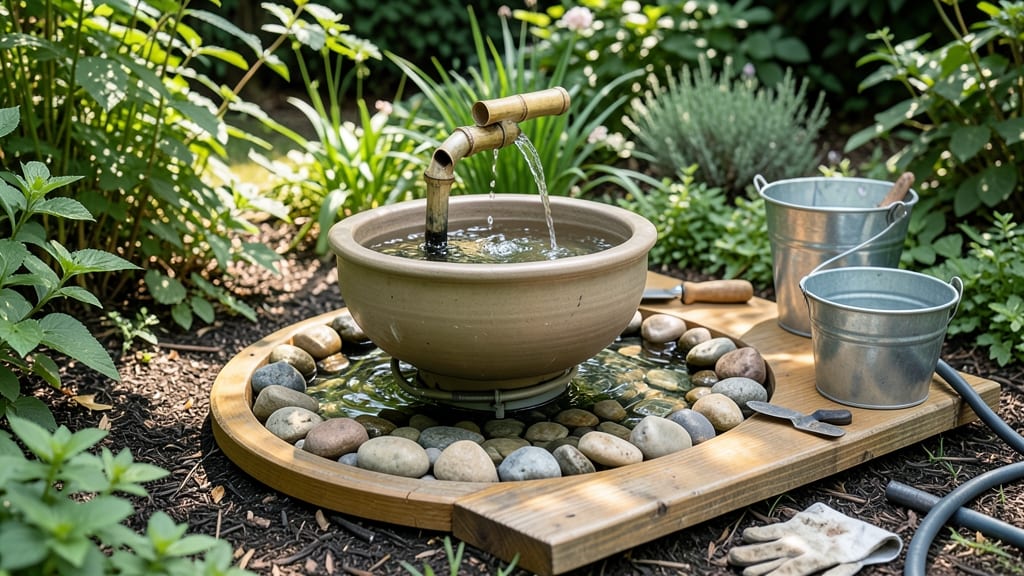
A do-it-yourself garden fountain creates a soothing outdoor retreat that boosts your space's aesthetic and value. Start with a submersible pump, a waterproof basin (plastic, ceramic, or metal), and PVC piping for a budget-friendly yet elegant setup. Place it near plants to increase humidity and create a tranquil atmosphere, then secure everything with weatherproof materials.
A DIY garden fountain transforms any backyard into a serene escape without breaking the bank. 💧 The key is balancing functionality with creativity—your pump should match the container's size (a 1,200-gallon-per-hour pump works for most small basins), while flexible tubing lets you adjust water flow for different effects.
I always opt for galvanized steel containers or heavy-duty plastic because they resist rust and cracking over time, even in harsh climates. For extra durability, seal all connections with silicone caulk to prevent leaks during seasonal temperature shifts.
Once assembled, placement is everything. Position your fountain near seating areas or along walkways to maximize its calming soundscape, but keep it at least 3 feet from electrical sources for safety.
Adding LED lighting or smooth river rocks around the base not only enhances the visual appeal but also makes maintenance easier—just drain and clean the basin every 2-3 months to prevent algae buildup. The best part?
Most DIY setups cost under $150, making it a project with high returns on both beauty and budget.
💡 In This Article
- Choosing Materials for a Durable DIY Garden Fountain
- Step-by-Step Assembly and Placement Tips
Choosing materials for a durable DIY garden fountain
The foundation of your garden fountain starts with selecting the right container, which directly impacts durability and water flow. Plastic basins are the most budget-friendly option, typically costing $20-$50, and come in various shapes—from simple bowls to intricate tiered designs.
For a more natural look, ceramic containers add elegance but require extra sealing to prevent water absorption, which can lead to cracking over time. Metal containers, especially galvanized steel, offer the best longevity (10+ years) and resist rust if properly coated, though they start at $80-$150 for quality pieces.
Your pump choice determines both functionality and noise levels. Submersible pumps (like those rated for 1,200-2,000 gallons per hour) are ideal for small to medium fountains because they sit hidden inside the basin, creating a seamless look and minimal noise (around 40-50 decibels).
External pumps, while cheaper ($30-$60), require more space and can produce humming sounds up to 60 decibels, which might disrupt your outdoor relaxation.
Flexible tubing (like vinyl) offers easy adjustments for water flow patterns, but PVC pipes provide sturdier connections for larger setups—just ensure all joints are sealed with waterproof silicone to prevent leaks during temperature fluctuations.
Waterproofing is where many DIY projects fail, so take extra care with this step. Start by checking your container's base for cracks or porous areas, then apply a two-part epoxy sealant if needed.
For metal containers, a coat of marine-grade paint prevents rust, while plastic basins benefit from a thin layer of waterproofing membrane on the outside. The tubing connections are critical—use PVC primer and cement for rigid pipes or flexible connectors with built-in gaskets for easier adjustments.
Pro tip: Test your setup with water for 24 hours before final placement to catch any slow leaks that might expand over time.
Don't overlook the power source—ground fault circuit interrupters (GFCIs) are a must for safety, especially if your fountain is near seating areas. These outlets cost $10-$20 to install and prevent electrical shocks by cutting power if water detects a fault.
For a more permanent setup, consider solar-powered pumps (around $100-$200) that eliminate wiring entirely while reducing your electricity bill. The trade-off? Solar pumps typically produce 30-50% less flow than electric models, so size your container accordingly if you go this route.
When balancing cost and longevity, premium materials like stainless steel containers or high-efficiency submersible pumps pay off in the long run. A $150 setup with quality components can last 5-7 years with minimal maintenance, while a $75 budget option might need replacements every 2-3 years.
Think about your climate too—freeze-resistant materials (like thick plastic or galvanized steel) are essential in colder regions, while tropical areas benefit from UV-resistant tubing to prevent brittleness from sun exposure.
For creative customization, consider adding decorative elements like smooth river rocks or LED lights, but keep weight distribution in mind. Heavy rocks can tip over lightweight plastic basins, while improperly secured lighting can create tripping hazards.
Always anchor your fountain to the ground using landscape fabric or concrete weights, especially in windy areas where gusts can displace smaller setups. The goal is to create a functional piece that blends seamlessly with your garden's aesthetic while standing up to Mother Nature's challenges.