Picking
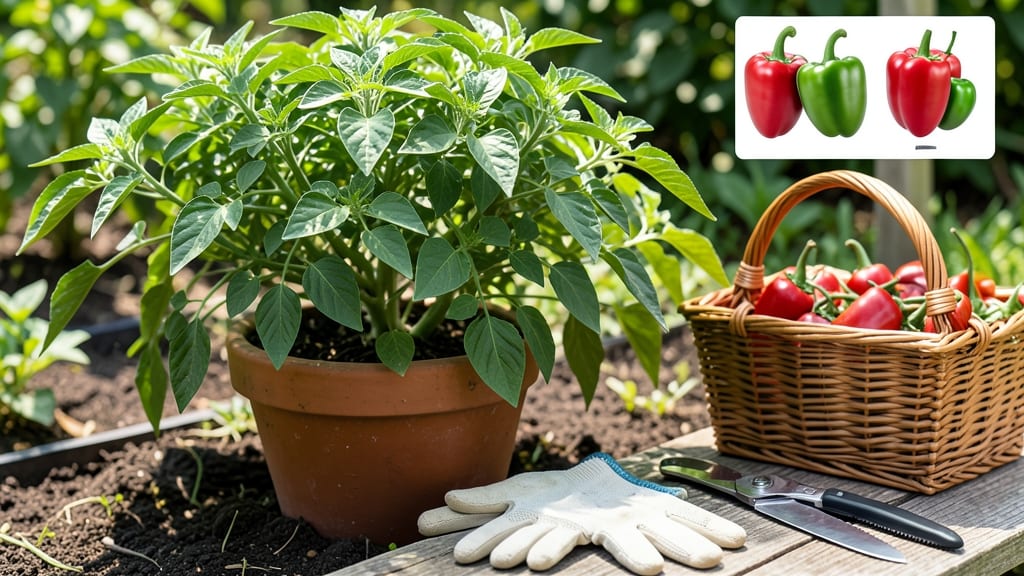
Picking your garden salsa peppers 🌶️ at the right moment transforms them from bland to bold, and color is your secret weapon.
Imagine biting into a pepper that’s still green at the base—it’s underripe, and the heat is barely there. Or one that’s shriveled and past its prime, losing its punch entirely. The difference between these and a perfectly ripe pepper? Timing.
In USDA Zone 6a, most varieties hit peak ripeness between 75 and 90 days after transplanting, but color tells the real story. Green means mild and crisp, while deep red or yellow signals maximum heat and sweetness—ideal for fresh salsas or drying.
Below, I’ll break down the exact color stages to watch for, how to test ripeness beyond just looks, and why harvesting at the wrong time can ruin your harvest. Ready to turn your peppers into flavor powerhouses?

Salsa pepper ripeness by color: the exact stages for peak flavor
Harvesting your garden salsa peppers at the right time transforms your harvest from mild and underwhelming to bold and complex. The color progression from green to red, yellow, or purple isn't just visual—it's a flavor roadmap.
Each stage offers unique heat levels and sweetness, making timing everything for fresh salsa or dried applications. Let's break down the exact color stages and when to pick for peak flavor.
Most salsa pepper varieties start green and mature through vibrant colors like red, yellow, or orange. The green stage signals underripe peppers with minimal heat and sharp flavors, while mature colors indicate fully developed capsaicin (the compound responsible for heat) and balanced sweetness.
Understanding these stages ensures you harvest at the perfect moment for your intended use.
The green stage is where most gardeners make their first mistake. Peppers in this phase lack the capsaicin development needed for true heat and flavor. They're often used in green salsa or pickling, but their sharp, grassy taste falls short of the complex profiles found in mature peppers.
If you're growing varieties like jalapeño or serrano, wait until they show even a hint of their mature color before harvesting.
When peppers transition to early mature colors—think green with red or yellow streaks—you're in the sweet spot for fresh salsa. At this stage, the heat begins to develop, but the sweetness is still balanced.
Varieties like habanero or cayenne will have a noticeable kick, while milder types like poblano remain approachable. This is ideal for raw salsa or quick-cooked dishes where you want to preserve texture and vibrancy.
Reaching peak ripeness is the moment every gardener waits for—when peppers turn fully red, yellow, or purple. This stage delivers the boldest heat and the most complex flavor profiles.
The sweetness peaks, and the capsaicin concentration is at its highest, making these peppers perfect for drying or long-cooked dishes like salsa roja. For example, a red jalapeño will have twice the heat of its green counterpart while offering a richer, fruitier taste.
If you miss the peak ripeness window, don't despair—overripe peppers can still be used, but their texture and flavor degrade. They become wrinkled and mealy, with a muted heat profile. While they're not ideal for fresh use, they're still great for drying or powdering.
Simply remove the stems, slice them thinly, and dry them in a food dehydrator or oven at 175°F (79°C) for 2-4 hours, stirring occasionally. This process concentrates the remaining flavors and extends shelf life.
Regional climate variations can affect ripening times, so adjust your expectations based on your USDA zone. In warmer zones (8-10), peppers may mature faster, while cooler zones (3-6) could see delayed ripening.
For example, in Zone 6a, expect your peppers to reach peak ripeness around late August to early September, whereas in Zone 9a, they might be ready by mid-July. Always monitor your plants closely and harvest when colors deepen fully.
Pro tip: Morning is the best time to pick your salsa peppers. The cool temperatures help preserve their freshness and crispness, and the dew has dried, making them easier to handle.
Use a sharp pair of pruning shears or your fingers to twist the pepper gently at the stem. Avoid cutting too close to the plant, as this can leave wounds vulnerable to disease.
Store freshly picked peppers in a paper bag in the fridge for up to 1 week to maintain their peak flavor.
How to test pepper ripeness beyond color: tactile and taste cues
Color alone isn't always the best indicator for garden salsa pepper ripeness. Even when peppers look perfect, their firmness and skin texture can reveal whether they're truly ready for harvest—or past their prime. I’ve learned that combining visual cues with tactile tests gives me the most accurate results every time.
Start by gently squeezing the pepper between your thumb and forefinger. A ripe garden salsa pepper should feel firm but slightly yielding—like a ripe avocado. If it feels rock-hard, it’s underripe, while a mushy texture means it’s overripe and past its peak flavor.
Pay attention to the skin texture too; ripe peppers develop a subtle waxy sheen.
Another reliable method is the stem separation test. Gently twist the pepper at its stem. If the stem snaps cleanly with minimal resistance, it’s ready to pick.
However, if the stem pulls away with a slight stretch or the pepper feels hollow when tapped, it’s overripe and may have lost some of its heat intensity.
🌶️
⚠️ Common Mistake: Harvesting Based on Size Alone
Don’t assume all 2-4 inch peppers are ripe! Some varieties stay green even when fully mature. Always check for stem separation and skin glossiness—a green stem end means it’s not ready, even if the pepper looks big enough.
For the most accurate test, take a small bite. A ripe garden salsa pepper should have a balanced mix of heat and sweetness. If it tastes bland or overly bitter, it’s underripe.
Conversely, if the heat feels muted or the flesh is soft, it’s overripe. This taste test is especially useful for multi-colored varieties where color isn’t a reliable indicator.
Timing your harvests right also depends on your climate. In hotter regions, peppers ripen faster, so check them every 2-3 days. In cooler areas, they may take longer, and you’ll need to monitor firmness and texture more closely.
Pro tip: Harvest in the morning when peppers are coolest and most flavorful.
If you’re drying peppers for later use, aim for fully colored but slightly firm peppers—they’ll retain more heat and flavor during the drying process. For fresh use, pick when they’re at their peak tactile firmness and skin glossiness to enjoy the boldest flavors in your salsa.