
Pests
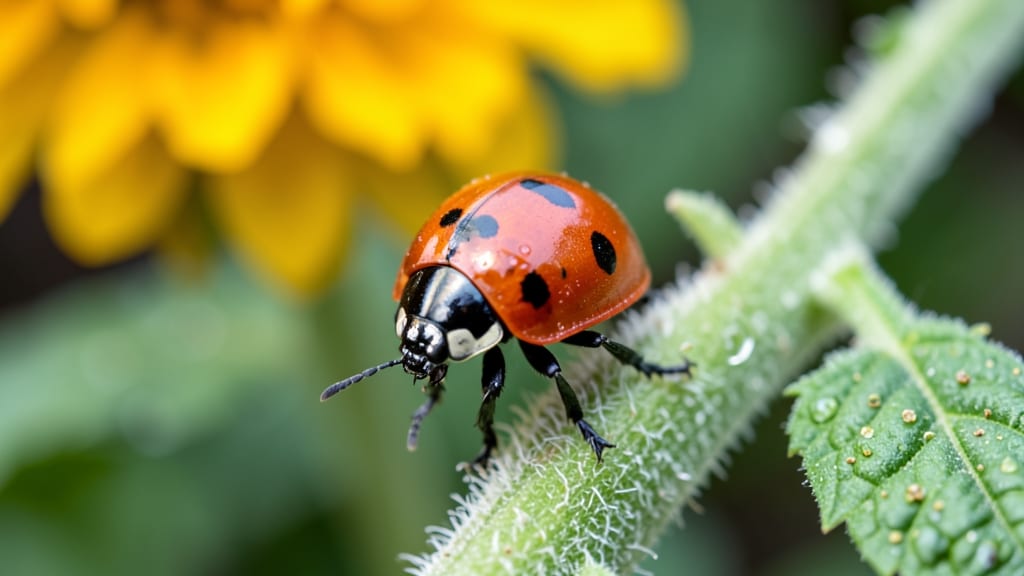
Insects in garden identification is the first step to protecting what you’ve grown—and knowing which ones are allies (and which are invaders) can save your plants.
Spotting an unexpected visitor in your garden isn’t always a bad sign—but knowing which insects are helping your plants (and which are devouring them) makes all the difference.
From tiny aphids sucking the life out of your leaves to ladybugs patrolling for pests, every insect plays a role. The challenge? Spotting the difference before damage appears.
This quick guide breaks down the most common garden insects by appearance, behavior, and impact—so you can act fast and keep your garden thriving without harmful chemicals.
How to identify common garden insects by appearance and damage
When I spot tiny creatures crawling on my tomato leaves or hovering near my roses, I always ask myself: Are these helpful allies or hungry pests? The answer often lies in their physical traits and the damage patterns they leave behind.
Learning to recognize just a few key features can transform your garden from a mystery zone into a thriving ecosystem where you know exactly who’s who.
Start by examining the body shape—round and soft-bodied insects like aphids often cluster on new growth, while elongated, hard-shelled beetles (like Japanese beetles) chew through leaves in straight lines. Wing patterns also matter: lacewings have delicate, net-like wings, while cabbage moths have gray wings with wavy lines.
Pay attention to damage signs too—holes in leaves, sticky residue, or silky webbing can reveal the culprit before you even see them.
| Insect | Appearance | Damage Signs | Role |
|---|---|---|---|
| Aphids | Tiny, soft-bodied, green/black, clustered on stems | Curled leaves, sticky honeydew, ants attracted | Pest |
| Ladybugs | Round, spotted red/orange shells, 6 legs | None—they eat aphids and mites | Beneficial |
| Japanese Beetles | Green metallic body, copper wings, ½ inch long | Skeletonized leaves, chewed flower petals | Pest |
| Cabbage Moths | Gray wings with wavy lines, ¾ inch wingspan | Small holes in leaves, white eggs on undersides | Pest |
| Lacewings | Green/yellow with lace-like wings, ½ inch long | None—they eat soft-bodied pests | Beneficial |
| Ants | Segmented bodies, 6 legs, varied colors | Harvest aphid honeydew but don’t harm plants | Neutral |
| Bees | Fuzzy bodies, 6 legs, striped patterns | Pollinate flowers, no damage | Beneficial |
| Spider Mites | Tiny red/yellow dots, webbing on leaves | Speckled leaves, webbing | Pest |
| Praying Mantises | Triangular heads, folded legs, green/brown | None—they eat pests like flies and beetles | Beneficial |
| Caterpillars | Soft-bodied, hairy or smooth, varied colors | Large chewed holes, frass (droppings) | Pest (larval stage) |
One of my go-to tricks is to use a hand lens (or even a magnifying app on my phone) to inspect insects up close. Look for distinctive markings like the black-and-yellow stripes on striped cucumber beetles or the white bands on tomato hornworm caterpillars.
These details often reveal whether the insect is a pollinator, a predator, or a plant-eating pest.
For example, if you see silky white webbing on your roses or pepper plants, it’s likely spider mites or aphids. But if the damage looks like lace-like holes in leaves, you’re probably dealing with lacewing larvae—which are actually helping your garden!
Always check the undersides of leaves too, where many pests hide.
Another quick tip: Observe the time of day you spot these insects. Japanese beetles are most active in the morning, while cabbage worms hide during the day and emerge at dusk.
Timing your inspection can help you catch them when they’re most vulnerable to natural controls like handpicking or neem oil sprays.
If you’re still unsure, take a
Beneficial vs. harmful insects: what to keep, what to remove
Not every tiny creature crawling through your garden is a villain—many are unsung heroes. Beneficial insects like ladybugs and bees work tirelessly to pollinate flowers and devour pests, while harmful insects like aphids and Japanese beetles can strip your plants bare.
The key is knowing which is which so you can protect your garden without overreacting.
Before grabbing that spray bottle, ask yourself: Is this insect helping or hurting my plants? Pollinators like bees and butterflies boost flower production, while predatory insects like lacewings keep pest populations in check. Only intervene when damage is significant—otherwise, let nature handle the balance.
Insect Identification Quick Guide
- Ladybugs: Tiny red/orange spots, eat 50+ aphids/day
- Lacewings: Delicate wings, larvae hunt pest eggs
- Bees: Fuzzy bodies, pollinate 1/3 of food crops
🌱 Action: Provide water sources, avoid pesticides
- Aphids: Green/black clusters, sap-sucking pests
- Japanese Beetles: Bronze wings, skeletonize leaves
- Caterpillars: Hairy or striped, munch foliage
⚠️ Action: Remove manually or use targeted sprays
Start by observing leaf damage patterns. Chewed holes with frass (sawdust-like droppings) often signal caterpillars, while sticky residue on leaves suggests aphids. Beneficial insects rarely cause visible harm—they’re usually too busy controlling pests to be noticed. If you see lacewing larvae, for example, celebrate!
When in doubt, use a decision matrix before acting. Ask: Is the insect active during pollination season? Does it have natural predators? If yes, leave it alone. Only intervene when you spot direct plant damage or when beneficial insects are overwhelmed by pests.
For stubborn pests like Japanese beetles, try physical removal first. Drop them in soapy water or shake them into a bucket of water. Neem oil works well as a last resort, but always apply it at dusk to protect bees and other pollinators.
Remember, a thriving garden isn’t about eliminating all insects—it’s about balancing the ecosystem. Even "pests" have roles, like Japanese beetles that become food for birds. Focus on preventing outbreaks with healthy soil and diverse plantings, and your garden will naturally attract the right allies.