
Tools
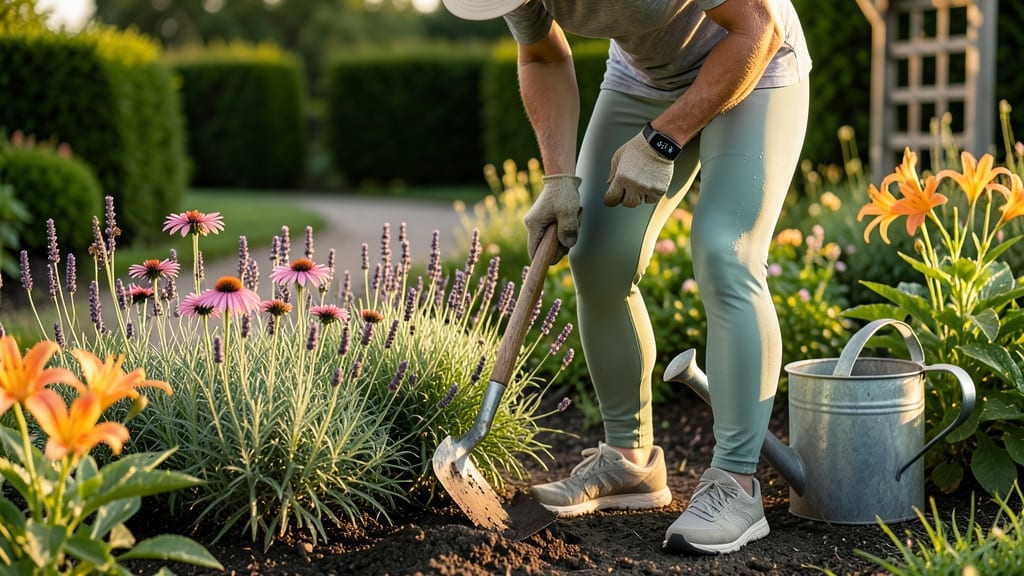
Gardening does count as exercise, functioning as moderate physical activity that burns 200-400 calories per hour depending on the effort—whether you're digging, lifting, or raking, it engages multiple muscle groups while supporting cardiovascular endurance and mobility.
This outdoor activity is a full-body workout in disguise. 🌱 When you're planting, weeding, or carrying bags of soil, you're working your arms, legs, and core simultaneously—similar to a light jog but with added strength benefits.
Studies show that gardening can even improve balance and coordination, making it a great option for people of all ages, especially those looking for low-impact movement.
What makes gardening unique is how it blends physical exertion with mental relaxation. The rhythmic motions of tending to plants create a meditative effect while still providing measurable health benefits.
Whether you're a weekend warrior or a casual hobbyist, spending time in the garden adds up to meaningful activity that supports both your body and mind.
💡 In This Article
- How Gardening Burns Calories and Engages Muscles
- Health Benefits Beyond Calorie Burn: Mental and Physical Gains
How gardening burns calories and engages muscles
The science behind gardening's exercise value lies in how it activates multiple muscle groups simultaneously.
When you're digging, you're engaging your legs (quadriceps, hamstrings) and core (abdominals, obliques) to generate force against the soil's resistance—similar to squats but with continuous motion. 🌱 Studies show that shoveling for 30 minutes can burn 150-200 calories for someone weighing 155 pounds, while lifting 50-pound bags of mulch engages your shoulders and back muscles like a weighted resistance workout.
Upper body movements like pruning, carrying pots of plants, and raking leaves create resistance that strengthens your arms and shoulders. These actions require stabilization from your core, effectively turning gardening into a functional strength training session.
For example, reaching to trim high branches forces your shoulder muscles to work against gravity, while pushing a wheelbarrow engages your glutes and hamstrings in a controlled, rhythmic motion—much like a low-impact cardio workout.
What makes gardening particularly effective is its cardiovascular component. Unlike traditional exercise, gardening's sustained, varied movements elevate your heart rate in a way that's less monotonous.
A 60-minute gardening session can raise your heart rate to 50-70% of your maximum, falling into the moderate-intensity range where cardiovascular benefits are maximized. This continuous movement improves blood circulation and lung capacity over time, similar to brisk walking but with added strength benefits.
Consider the specific tasks: Kneeling to weed works your calves and engages your back muscles to maintain posture, while standing and reaching to harvest vegetables activates your entire posterior chain.
The irregularity of these movements prevents muscle fatigue in isolated areas, making gardening a balanced workout that's gentler on joints than running or weightlifting. 💪 For comparison, a 150-pound person burns roughly 270 calories per hour raking leaves—equivalent to a light jog but with zero impact on knees.
Even the seemingly passive aspects of gardening contribute to your fitness. Watering plants requires controlled arm movements that improve shoulder mobility, while carrying tools engages your grip strength and forearm muscles.
The cumulative effect of these varied motions creates a full-body workout that adapts to your pace—whether you're moving quickly to beat the heat or taking your time to enjoy the process.
Here's what most people don't realize: Gardening's calorie burn varies dramatically based on terrain and tools. Working on sloped ground increases the intensity by 20-30%, while using manual tools (like a push mower) engages more muscles than powered alternatives.
The key is maintaining consistent movement—even 15 minutes of focused gardening can make a difference in your daily activity goals.