
Light Requirements
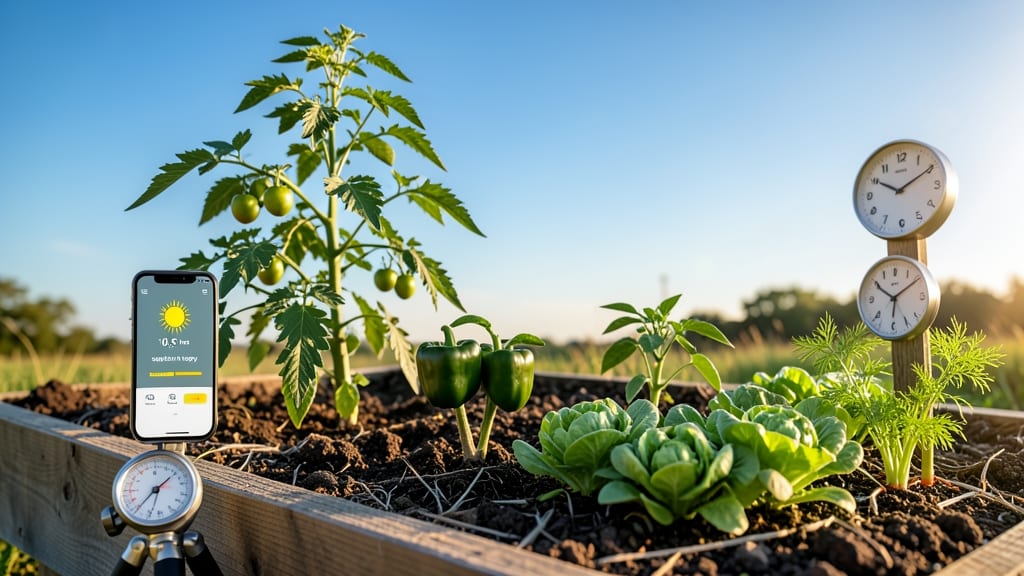
A vegetable garden needs 6 to 8 hours of sunlight daily to thrive, but the exact amount varies wildly depending on what you’re growing—tomatoes beg for full sun while lettuce might bolt in too much.
Sunlight is the lifeblood of your vegetable garden—too little and your plants languish, too much and they scorch—but knowing the exact daily sunlight requirements for each crop can mean the difference between a thriving harvest and a failed patch.
Most vegetables fall into three categories: full-sun lovers (like peppers and cucumbers), partial-shade tolerators (such as spinach and kale), and a few that barely need light at all (like radishes). Without the right balance, you’re fighting an uphill battle before the first seed even sprouts.
In this guide, I’ll break down the ideal sunlight ranges for your favorite crops, how to measure sunlight in your garden, and simple fixes for when your plot isn’t getting enough—or too much—of the golden stuff.


Sunlight requirements for vegetables: full sun vs. partial shade breakdown
Understanding how many hours of sunlight your vegetable garden needs is the foundation of successful growing. Most vegetables thrive with 6 to 8 hours of direct sunlight daily, but some tolerate partial shade (3-6 hours) or even low light (under 3 hours).
The key is matching your plants to their ideal light conditions—tomatoes and peppers wilt in shade, while lettuce and spinach bolt in too much sun.
Full sun lovers like tomatoes, peppers, and cucumbers produce the best yields when basking in 6-8 hours of unfiltered sunlight. These crops need intense light to develop flavor, fruit set, and disease resistance.
On the other hand, leafy greens and herbs often prefer partial shade to prevent rapid bolting or leaf burn.
Here’s how to categorize your crops by sunlight needs for a balanced garden:
Leafy greens like spinach and kale actually prefer partial shade to stay tender and avoid bitterness. These crops grow quickly and benefit from morning sun and afternoon shade, especially in hot climates.
In contrast, tomatoes and peppers need full sun exposure to develop their signature flavors and prevent blossom-end rot.
If your garden only gets 4-5 hours of sunlight, focus on shade-tolerant crops like bush beans, peas, or leaf lettuce. These plants can still produce well in partial shade conditions, though yields may be smaller.
For full-sun crops, consider using reflective surfaces or grow lights to supplement natural light in low-light areas.
Seasonal sunlight changes also matter—summer solstice offers the longest days, while winter provides only a few hours. Plan your garden layout to rotate sun-loving crops into shaded spots as seasons shift, or use seasonal shade cloth to protect delicate plants from intense midday sun.
Even within your garden, microclimates create variations in sunlight. A north-facing bed might get only 3-4 hours of sun, while a south-facing area could hit 8+ hours.
Use this natural variation to your advantage by placing sun-hungry crops where they’ll get the most light and shade-tolerant plants in cooler, shaded spots.
For container gardens, rotate pots weekly to ensure even sunlight exposure. This is especially important for herbs like basil, which need 6 hours of sun daily but can suffer in intense afternoon heat.
A balanced mix of full sun and partial shade crops ensures your garden stays productive year-round, even if sunlight varies.
Start by assessing your garden’s sunlight patterns with a simple observation test: Place a white board or piece of paper in different spots for a week to track how many hours each area gets sun.
Then, match your plants to those conditions for the best results. With the right placement, even a small garden with limited sun can yield a bountiful harvest!
How to measure sunlight in your garden and adjust for crop success
Measuring sunlight in your garden isn't just about guessing—it's about creating the perfect conditions for your vegetable crops to thrive. Without accurate sunlight tracking, you might end up with wilting tomatoes or bitter lettuce, even if you're watering and fertilizing correctly.
The key is understanding how many hours of sunlight each plant truly needs and how to adjust your garden layout accordingly.
Most gardeners assume their yard gets uniform sunlight, but microclimates can create big differences—even just a few feet apart. A spot near your house might get partial shade for half the day, while the open area gets full sun.
Learning to measure these variations helps you place sun-loving plants like peppers and eggplants where they'll flourish, while protecting shade-tolerant greens from scorching.
To measure sunlight accurately, start by using a sunlight tracking tool. You can buy a digital light meter for about $20, or create a DIY version with a white paper plate and a timer. Place the plate in your garden spots and mark the hours it's fully illuminated.
For a quick fix, observe your garden from a window or use a sunlight app like Sun Surveyor to map your yard's exposure.
If your garden has hotspots with too much sun, consider using shade cloth (30-50% coverage) to protect delicate plants. For example, basil can bolt in intense afternoon sun, but a light shade cloth keeps it productive for weeks longer.
Conversely, if a spot gets insufficient sunlight, move sun-loving plants to sunnier areas or supplement with a grow light for 4-6 hours daily.
Adjusting for seasonal changes is just as critical. In summer, your garden might get 10+ hours of daylight, but in winter, that drops to 6-8 hours. Plan your layout so winter crops (like kale) go in sunnier spots, while summer crops (like zucchini) can handle the extra light.
Rotate plants annually to prevent soil depletion and ensure even sunlight distribution.
Remember, the goal isn't perfection—it's optimization. Even a 5% improvement in sunlight exposure can boost yields by 30% or more for many vegetables. Start small, track your results, and adjust as you go. Your garden—and your harvest—will thank you for the effort! 🌱