
Light Requirements
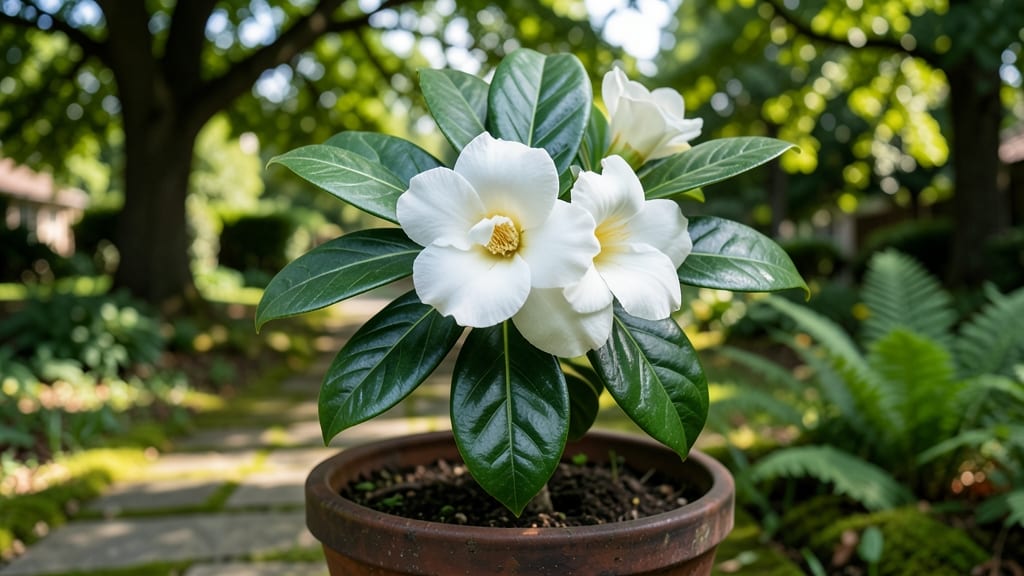
Struggling to get your gardenia to bloom? The secret might be hiding in its sunlight needs—too much sun can scorch those lush leaves, while too little leaves you with sparse flowers. Discover the perfect balance of partial shade to unlock your gardenia’s full fragrant potential.
In warmer climates like USDA Zone 6a, gardenias often need afternoon shade to prevent leaf burn, while cooler regions can handle a bit more morning sun. Here’s how to read your plant’s signals—yellowing leaves or dropped buds—and adjust its light exposure for healthier growth.
Below, I’ll break down the ideal sunlight setup, whether you’re growing your gardenia in a sunny patio or a cozy indoor spot, plus simple tricks to mimic perfect partial shade without fancy equipment.


How much sunlight does a gardenia need for optimal growth?
If you're dreaming of those creamy-white, intoxicating gardenia blooms, you're already on the right track—but sunlight is the real game-changer. Gardenias thrive in bright, indirect light, making them picky about their sun exposure.
Too much direct sun can turn their leaves crispy, while too little shade leaves them struggling to bloom. Let's break down the perfect balance for your climate and growing setup.
The ideal sunlight range for gardenias is 4-6 hours of morning sun daily, paired with afternoon shade. This mimics their natural tropical habitat where they grow under taller trees.
In temperate zones (USDA 7-10), this means positioning them where they get sun until 11 AM or noon, then shade. For tropical climates (USDA 11+), you'll need to protect them from intense midday rays entirely.
| Climate Zone | Ideal Sunlight | Morning Sun Window | Afternoon Protection |
|---|---|---|---|
| Temperate (USDA 7-10) | 4-6 hours | 6 AM - 12 PM | Dappled shade after 12 PM |
| Tropical (USDA 11+) | 3-4 hours | 6 AM - 10 AM | Full shade after 10 AM |
| Indoor (All Zones) | 4-6 hours | East-facing window | Sheer curtain filter |
For indoor gardenias, position them near an east-facing window where they'll receive gentle morning light without harsh afternoon rays. If your home only has south or west windows, use a sheer white curtain to diffuse the light—this mimics natural dappled shade.
Avoid placing them in dim corners or under fluorescent lights, which can cause leggy growth and poor blooming.
Watch for leaf burn (brown crispy edges) as a sign of too much sun, especially in afternoon exposure. This is common in gardenias placed in full sun without protection. On the flip side, yellowing leaves or bud drop often signals insufficient light.
If your gardenia's leaves start looking pale or the buds refuse to open, it's time to move it to a brighter spot—but still with that crucial afternoon shade.
In container gardening, sunlight needs stay the same, but you'll need to rotate your pot quarter-turns every few days to ensure even light exposure. This prevents one side from getting too much sun while the other stays in shade.
If you notice uneven growth (one side bushier than the other), it's your cue to rotate!
Seasonal adjustments are key: in summer, gardenias need more shade protection, while in winter, they can tolerate slightly more light if your climate is mild.
If you're in a cold winter zone (USDA 6 or lower), bring potted gardenias indoors before frost and place them near a bright window to maintain their light needs.
Pro tip: Mature gardenias can handle a little more sun than younger plants, but never exceed 6 hours total. If you're unsure about your gardenia's sunlight balance, start with 4 hours of morning sun and adjust based on leaf color and blooming.
Your reward? Abundant, fragrant blooms that'll make your garden smell like a tropical paradise.
Remember, gardenias are not low-light plants—they need that bright indirect light to thrive. The key is finding that sweet spot where they get enough light to bloom but stay protected from scorching.
With the right sunlight balance, your gardenia will reward you with glossy leaves and heavenly fragrance all season long. 🌸
Best partial shade solutions for gardenias in different climates
Finding the perfect partial shade for your gardenia can feel like solving a puzzle—especially when climate zones and seasonal shifts complicate things. In hot, humid climates, afternoon sun can turn leaves crispy, while cooler regions might need extra protection from harsh morning rays.
The key is creating a dynamic shade solution that mimics nature's dappled light.
Natural shade—like mature trees or shrubs—often works best, but artificial options (like shade cloth) give you precise control. I’ve tested both methods in my USDA Zone 8 garden and found that combining strategies often yields the best results for consistent blooming and leaf health.
Natural Shade Solutions
Pros:
- Free and sustainable
- Improves soil health
- Natural temperature regulation
Cons:
- Slow to establish
- Limited control over shade intensity
- May compete for nutrients
Artificial Shade Solutions
Pros:
- Immediate shade control
- Adjustable intensity
- No competition for resources
Cons:
- Requires maintenance
- Can look unnatural
- Initial cost investment
For hot climates, I recommend sheer curtains or lattice screens to filter harsh afternoon rays while allowing morning sun. In cooler zones, a south-facing tree (like a Japanese maple) can provide gentle shade without stealing too much light.
My DIY shade structure—a permanent pergola with climbing roses—works year-round and doubles as a privacy screen.
If you’re in a container garden, opt for shade cloth (30-50% blockage) draped over a lightweight frame. For in-ground plantings, consider strategic mulching with light-colored gravel to reflect excess heat. The goal is to keep soil temps steady—gardenia roots thrive between 65°F and 75°F.
Pro tip: Rotate containers seasonally to adjust sun exposure. In summer, face them north or east; in winter, south or west for extra warmth. This simple trick can double your blooms by aligning with your gardenia’s natural rhythm.
Remember, partial shade isn’t static—it’s a living balance. Monitor your plant’s leaf color and bloom frequency to fine-tune your approach. A happy gardenia rewards you with glossy leaves and heavy fragrance—proof you’ve cracked the shade code! 🌸