
Fertilization
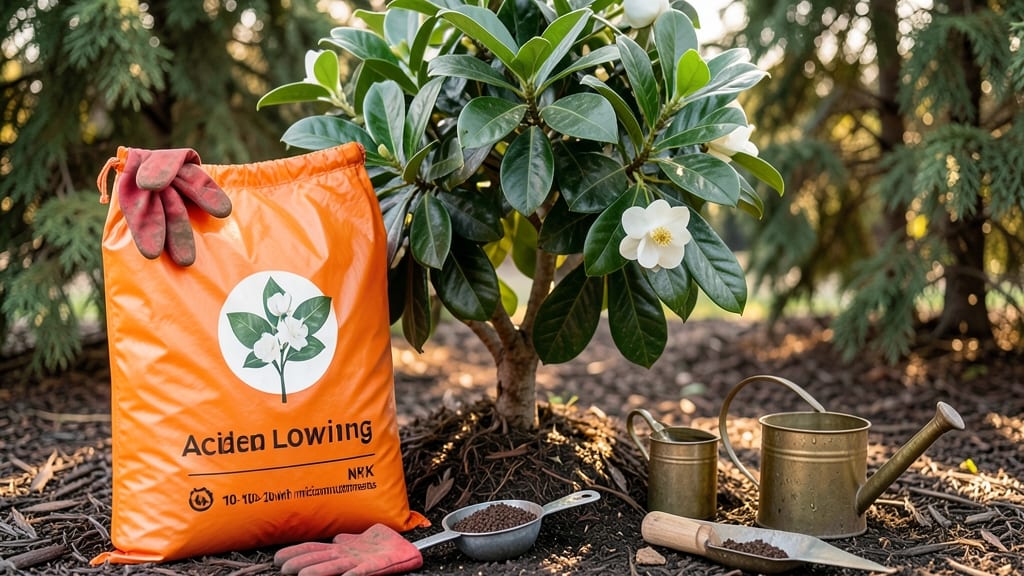
The right fertilizer for gardenia tree is the secret to those glossy leaves and intoxicating blooms you’ve been dreaming of.
Here’s the thing: gardenias thrive on a specific balance of nutrients, but the wrong fertilizer can stunt growth or even kill your prized plant. Too much nitrogen?
You’ll get leaves over blooms. Too little phosphorus? Your flowers will stay stubbornly closed. And if your soil isn’t acidic enough, none of it matters.
In this guide, I’ll break down the best fertilizers for gardenias—organic and synthetic options—plus the exact nutrient ratios (like 10-10-10 or 8-3-9) that keep your plant happy.
You’ll also learn when to feed (spring and summer only!) and how to avoid overdoing it, so your gardenia stays lush without burning its roots.
Whether you’re a seasoned gardener or just bringing home your first gardenia, these tips will help you grow a thriving, fragrant shrub that’s the envy of the neighborhood.

Best pH-balanced fertilizers for gardenia trees (with soil pH requirements)
Gardenia trees thrive when their soil pH stays between 5.0 and 6.5, mimicking their natural acidic forest floor habitat. Without the right pH-balanced fertilizer, you’ll see yellowing leaves, sparse blooms, or even root damage.
The key is choosing a fertilizer that not only provides the right nitrogen-to-phosphorus-to-potassium (NPK) ratio but also supports the plant’s need for micronutrients like iron and magnesium.
Most gardeners make the mistake of using generic, high-nitrogen fertilizers designed for lawns or vegetables. Gardenias need a balanced or slightly higher-phosphorus approach to encourage blooming, paired with acid-loving plant formulas to maintain their ideal soil chemistry.
Let’s break down the best options, from organic to synthetic, and how to apply them without harming your plant.
⚠️ CRITICAL NOTE: Always test your soil’s pH before fertilizing. If your gardenia’s soil is already too acidic (<5.0), you’ll need to raise the pH slightly with lime before adding fertilizer. If it’s alkaline (>6.5), focus on acid-loving plant fertilizers and organic amendments like pine needles or peat moss.
For organic gardeners, fish emulsion and compost tea are my top recommendations. They provide a gentle, slow-release nutrient boost while improving soil structure and microbial activity. The 5-1-1 ratio in fish emulsion is perfect for gardenias—just enough nitrogen for leaves and phosphorus for blooms without overdoing it.
Synthetic options like Miracle-Gro Acid-Loving Plant Food are ideal for quick results, especially if your gardenia is struggling with yellow leaves or poor blooming. The 8-3-9 ratio ensures phosphorus supports flower development, while the added micronutrients like iron prevent chlorosis (yellowing between leaf veins).
Always follow the label for application rates to avoid root burn.
If your gardenia’s soil is too alkaline (pH >6.5), pair your fertilizer with sulfur or peat moss to lower the pH gradually.
For container-grown gardenias, I recommend repotting every 2-3 years with fresh, acidic potting mix (like those labeled for azaleas or rhododendrons) to maintain the ideal pH range.
Watch for signs of over-fertilization, such as crispy leaf edges or burnt brown spots. If you see these, flush the soil with water and reduce fertilizer applications by half. Under-fertilized gardenias will
Step-by-step guide: how to fertilize gardenia trees without burning roots
Fertilizing your gardenia tree correctly is the secret to those glossy leaves and fragrant blooms you adore. But timing and method matter—too much fertilizer can burn roots, while too little leaves your plant struggling.
I’ve learned this the hard way after seeing yellowing leaves from overzealous feeding! The key is a seasonal approach that matches your gardenia’s natural growth cycle.
Spring and summer are your active feeding windows, while fall and winter demand a hands-off approach. Organic methods like compost tea and fish emulsion work wonders because they release nutrients slowly, preventing root damage.
I’ll walk you through exactly when, how, and what to apply—plus the warning signs that tell you to stop immediately.
⚠️ Critical Warning: Never Fertilize When...
- Soil is dry: Wet fertilizer to 1/3 soil depth first—dry roots can’t absorb nutrients safely.
- Plant is stressed: Skip feeding after pruning, transplanting, or pest attacks for 4-6 weeks.
- Temps exceed 90°F: Heat accelerates nutrient burn—wait until mornings cool below 85°F.
Pro Tip: Always water deeply 24 hours before fertilizing to prep roots.
Start your spring feeding in March or April, right as new growth appears. Use a balanced organic fertilizer like fish emulsion (5-1-1 ratio) or a slow-release granular mixed into the top 2 inches of soil.
For potted gardenias, dilute liquid fertilizer to half-strength—their roots have less room to recover from overfeeding.
During summer’s blooming season, switch to a phosphorus-rich feed (like 8-3-9) every 4-6 weeks to support flowers. I use a drip irrigation system for liquid fertilizers—it delivers nutrients directly to roots without foliar damage. Never apply fertilizer after 4 PM; evening moisture can cause root rot.
Fall and winter are zero-fertilizer zones. Your gardenia enters dormancy, and feeding now forces weak, vulnerable growth. Instead, focus on mulching with pine needles to maintain soil acidity naturally. Watch for yellowing leaves or leaf drop—these are under-fertilization signs if they appear in spring.
Over-fertilizing shows up as brown leaf tips, crusty soil, or stunted blooms. If you see these, flush the soil with 6 inches of water to leach excess salts.
For organic recovery, mix 1 cup compost into the topsoil and reduce feeding frequency by half for 2 months.
With this seasonal rhythm, your gardenia will reward you with lush foliage and heavy fragrance year after year—without a single root in danger. Grab your pH tester and let’s get growing! 🌸