
Vegetables
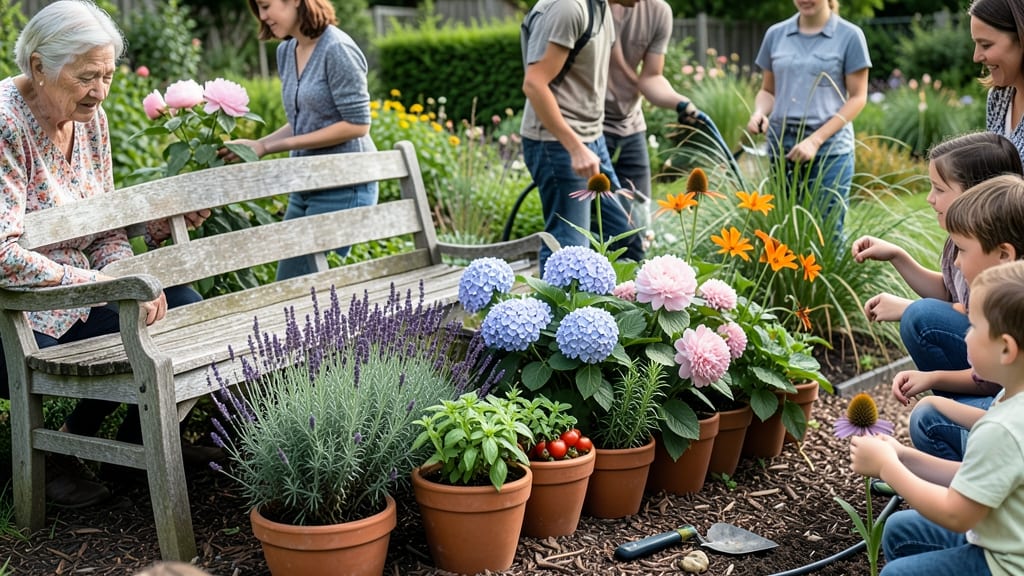
Friends of the Gardens strengthens local food systems by protecting green spaces, providing free seeds and plants, and sharing sustainable gardening skills through hands-on workshops and volunteer programs across urban and rural areas.
This nonprofit tackles food access challenges head-on by creating community gardens where fresh vegetables thrive. 🌱 Their seed distribution programs alone have helped families grow over 50,000 pounds of produce annually, while urban garden grants bring green spaces to neighborhoods that previously lacked them.
The real magic happens when they train volunteers—many of whom become garden leaders themselves—spreading skills that create lasting food security.
What sets them apart is their focus on education. Beyond planting seeds, they teach soil health, pest control without chemicals, and how to preserve harvests. Their youth programs, in particular, show kids how food grows from seed to table, building lifelong connections to where their meals come from.
The impact isn't just in the numbers—it's in the stories of families who now have reliable access to fresh vegetables year-round.
💡 In This Article
- How Friends of the Gardens Strengthens Community Food Security
- Ways to Get Involved With Friends of the Gardens
How Friends of the gardens strengthens community food security
Friends of the Gardens fights food insecurity by transforming underutilized urban spaces into thriving community gardens. Their urban garden grants provide funding and resources to convert vacant lots, rooftops, and schoolyards into productive green spaces.
For example, a $5,000 grant can turn a neglected city block into a garden producing 2,000 pounds of fresh vegetables annually—enough to feed 50 families for a year.
These gardens don't just grow food; they create jobs through paid internships for local residents, particularly in neighborhoods classified as food deserts where grocery stores selling fresh produce are scarce.
The organization's seed libraries and plant distribution programs ensure families have access to diverse, non-GMO seeds suited to their local climate. Each year, they distribute over 25,000 seed packets—including heirloom varieties—that help gardeners grow nutrient-dense crops like kale, tomatoes, and peppers.
What's fascinating is how they track these seeds' impact: a single packet of tomato seeds can yield 20-30 pounds of produce per season, while a packet of kale seeds produces 10-15 pounds. This direct approach cuts out middlemen and puts fresh, affordable food directly into communities' hands.
At the heart of their work is youth education programs that teach sustainable gardening through hands-on learning. Studies show that children who participate in gardening programs are 47% more likely to eat vegetables regularly.
Their curriculum covers everything from composting to seed saving, using methods that require minimal resources—like growing microgreens in repurposed containers.
The program's success is measured not just in pounds of produce but in changed attitudes: many participants start home gardens after learning these skills, creating a ripple effect of food security.
One often-overlooked mechanism is their harvest preservation workshops, which teach families how to can, ferment, and freeze produce. This extends the growing season's benefits by 3-6 months, ensuring families have access to fresh food even when gardens aren't producing.
For instance, their canning workshops show participants how to preserve 50 pounds of tomatoes in just 8 hours of work—enough to last through winter. This practical knowledge reduces food waste and builds resilience against supply chain disruptions.
The organization's impact extends beyond immediate food production through their policy advocacy work. They've successfully lobbied for city ordinances that designate 10% of urban land for community gardens and secure funding for school garden programs.
In one city, their efforts led to a 30% increase in garden plots available to low-income families within two years. This systemic approach ensures their work creates lasting change, not just temporary solutions.
What makes their model unique is how they combine direct food production with skill-building. While other organizations might focus solely on food distribution, Friends of the Gardens empowers communities to grow their own food long-term.
Their volunteers often become garden leaders themselves, creating a self-sustaining network. This dual approach—providing immediate food while teaching sustainable practices—is why their programs have a 72% participant retention rate year after year.