
Shrubs
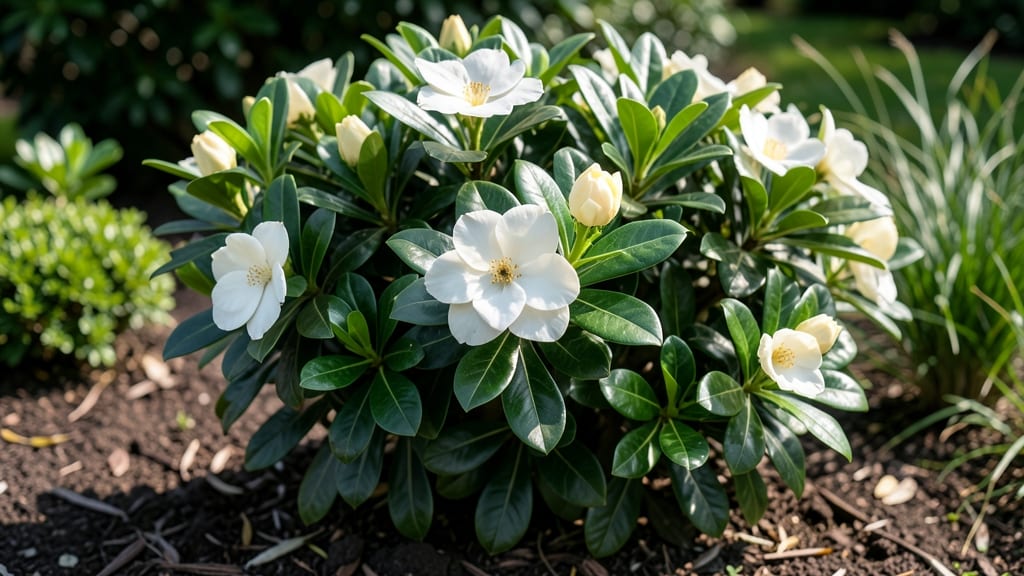
A full-grown gardenia 🌸 can reach heights of 4 to 6 feet, transforming your yard into a fragrant paradise with its glossy leaves and intoxicating blooms.
But here’s the catch: many gardeners struggle to keep their gardenias thriving past the first year. Too much sun scorches the leaves, poor soil pH stunts growth, and improper pruning can leave you with a bush full of foliage and no flowers.
In this guide, I’ll walk you through the exact care secrets—from pruning techniques that encourage blooms to soil hacks that prevent yellowing leaves—so your gardenia stays lush and fragrant year-round.
Whether you’re dealing with leaf drop, bud failure, or just want to maximize those stunning white flowers, you’ll find the step-by-step solutions you need to keep your gardenia at its best.
Full-grown gardenia pruning guide: when, how, and what to cut for maximum blooms
Pruning your full-grown gardenia is one of the most effective ways to encourage abundant blooms and maintain its lush, tropical appearance. Unlike many shrubs, gardenias bloom on new wood, meaning you can prune more aggressively without sacrificing flowers.
The key is timing, technique, and knowing which dead or overcrowded branches to remove. Let’s dive into the step-by-step process to keep your gardenia thriving.
Before you grab your pruners, it’s crucial to understand that late winter or early spring (just before new growth begins) is the best time to prune. This timing ensures you’re not cutting off potential flower buds that form on the previous year’s growth.
If you miss this window, you can still prune lightly after flowering to shape the plant, but avoid heavy cuts during the blooming season.
Gardenias respond best to clean, sharp cuts made at a 45-degree angle, about ¼ inch above a leaf node. This encourages faster healing and prevents water from pooling on the cut, which can lead to disease.
Always use sterilized pruning shears or a saw for thicker branches to avoid spreading pathogens. I recommend disinfecting your tools with rubbing alcohol between cuts for optimal plant health.
Step-by-Step Gardenia Pruning Guide
- 1 Timing: Prune in late winter or early spring (February-March in most climates) before new growth starts. Avoid pruning during blooming season (June-September).
- 2 Tools: Use sharp, sterilized pruners for branches ½ inch thick or smaller. For thicker branches, use a pruning saw. Disinfect tools with rubbing alcohol between cuts.
- 3 Remove Dead Wood: Cut out dead, diseased, or crossing branches first. Look for branches that are brown, brittle, or without leaves. Make cuts at a 45-degree angle just above a leaf node.
- 4 Thin Out Crowded Areas: Focus on the center of the plant to improve airflow. Remove up to ⅓ of the oldest branches to encourage new growth. Aim for an open, vase-like shape.
- 5 Shape Lightly: Trim tips of branches to encourage bushier growth. Avoid heavy pruning, as gardenias bloom on new wood. Never cut into old wood (wood older than 3 years), as it won’t produce flowers.
- 6 Post-Pruning Care: Apply a balanced, acid-loving fertilizer (10-10-10) to support new growth. Water deeply to help the plant recover. Mulch around the base with organic mulch to retain moisture.
One of the most common mistakes gardeners make is pruning at the wrong time. If you cut back your gardenia in summer or fall, you risk removing next year’s flower buds or encouraging tender new growth that won’t survive winter.
Another pitfall is over-pruning, which can stress the plant and reduce blooming. Stick to removing only dead, diseased, or overcrowded branches—never more than ⅓ of the plant’s total volume in one session.
After pruning, your gardenia will need extra care to recover and rebloom. Focus on keeping the soil consistently moist but well-drained, as soggy roots can lead to root rot. I recommend watering deeply in the morning to reduce evaporation and fungal risks.
Additionally, apply a slow-release, acidic fertilizer every 4-6 weeks during the growing season to provide the nutrients needed for vigorous growth and prolific blooming.
If your gardenia isn’t blooming as much as you’d like after pruning, it might be due to poor light conditions or nutrient deficiencies. Gardenias thrive in partial shade with 4-6 hours of morning sun.
If your plant isn’t getting enough light, consider moving it to a sunnier spot or supplementing with a grow light during winter months. Yellowing leaves can also indicate a lack of iron or nitrogen, so a chelated iron supplement may help.
Finally, remember that patience is key when it comes to gardenia care. After a heavy pruning session, it may take 6-8 weeks for new growth to appear, and another 3-4 months for the plant to produce new flowers.
During this time, avoid any additional pruning or major changes to its environment. With the right timing, technique, and aftercare, your full-grown gardenia will reward you with stunning, fragrant blooms all season long.
Optimal light, soil, and watering conditions for thriving full-grown gardenias
A full-grown gardenia thrives when you replicate its natural tropical habitat. These stunning shrubs need the right balance of light exposure, acidic soil, and consistent moisture to reward you with fragrant blooms year-round.
Get these three elements wrong, and you’ll battle leaf drop, bud failure, or stunted growth. Let’s break down exactly what your gardenia needs to flourish.
First, let’s address the most common mistake: assuming gardenias love full sun. While they adore bright light, afternoon sun can scorch their delicate leaves. Instead, aim for morning sun paired with afternoon shade, especially in hot climates.
This mimics their native understory habitat and prevents stress that leads to bud drop.
| Care Factor | Specification | Notes |
|---|---|---|
| Sunlight | 4-6 hours morning sun | Afternoon shade prevents leaf scorch |
| Soil pH | 4.5-6.0 (acidic) | Test with pH meter; amend with sulfur |
| Drainage | Well-draining | Add perlite or compost to clay soil |
| Watering | Deep soak 2-3x/week | Morning watering reduces fungal risk |
Next, your gardenia’s soil is its lifeline. These shrubs demand acidic soil with a pH between 4.5 and 6.0. If your soil tests higher, amend it with sulfur or peat moss to lower the pH gradually.
Poor drainage is another silent killer—ensure your gardenia sits in soil that drains freely. Amend heavy clay with organic matter like compost or perlite to prevent root rot, which causes yellow leaves and bud failure.
Watering full-grown gardenias requires precision. Unlike drought-tolerant shrubs, gardenias need consistently moist soil but hate soggy roots. Water deeply 2-3 times per week during growing season, ensuring the top 2-3 inches of soil stay damp.
In summer, you may need daily watering, but always water in the early morning to let foliage dry before nightfall—this prevents fungal diseases like powdery mildew.
Watch for these red flags: drooping leaves signal underwatering, while yellowing leaves often mean overwatering or poor drainage. Adjust your routine based on your climate—container gardenias dry out faster than in-ground plants and may need daily checks.
Mulch around the base with pine bark or shredded leaves to retain moisture and keep roots cool.
With the right light, soil, and watering routine, your full-grown gardenia will reward you with glossy foliage and fragrant blooms from spring through fall. The key is consistency—monitor your plant’s response and tweak as needed.
Soon, your garden will smell like a tropical paradise, all thanks to these simple care essentials.
🌸