
Planting
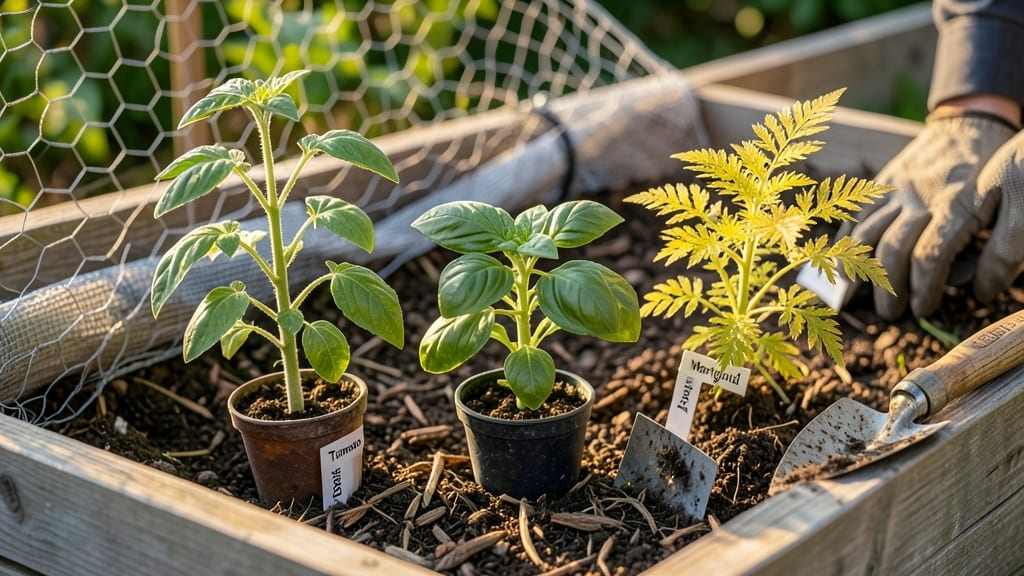
Using garden and plant mesh creates a protective barrier that safeguards young plants from insects, wind, and intense sunlight while maintaining airflow and moisture access to roots, ensuring strong development during vulnerable growth phases.
This lightweight yet durable fabric acts like a shield for delicate seedlings and transplants. 🌱 The right mesh size—typically 0.5mm to 1mm holes—blocks most pests like aphids and caterpillars while letting water and air circulate freely.
I've seen it transform survival rates in my own garden, especially for heat-sensitive plants like basil and lettuce. The material's flexibility also makes it easy to shape around tender stems without causing damage.
Beyond basic protection, mesh offers creative solutions like creating mini-greenhouses or supporting climbing plants. For example, wrapping it around young tomato plants can deter hornworms while still allowing sunlight through.
The key is choosing the right type—polypropylene for general use or nylon for heavier-duty applications—and adjusting coverage based on your local climate and pest patterns.
💡 In This Article
- How Plant Mesh Shields Plants from Common Garden Threats
- Best Ways to Install and Use Garden Mesh for Maximum Protection
How plant mesh shields plants from common garden threats
Plant mesh works primarily as a physical barrier that intercepts pests before they reach your plants.
The tiny holes—typically ranging from 0.5mm to 1mm—are just right to block common garden invaders like aphids, caterpillars, and even small beetles while allowing beneficial insects such as bees and ladybugs to pass through.
This selective filtration creates a safe zone where young plants can focus their energy on growth rather than damage repair. The mesh's lightweight polypropylene or nylon construction also provides gentle wind resistance, reducing the risk of soil erosion around delicate seedlings.
Sunlight protection comes from the mesh's ability to diffuse rather than block light completely. While it filters out about 20-30% of UV rays, it still allows 70-80% of natural light to penetrate—enough for photosynthesis while preventing leaf scorch in heat-sensitive plants like lettuce or basil.
The material's semi-transparent quality creates a soft, dappled light effect that mimics natural shade conditions, which is particularly beneficial in hot climates where direct sun can cause seedlings to bolt prematurely. 🌿
Material choice matters significantly for long-term effectiveness. Polypropylene mesh, the most common type, offers excellent UV resistance and holds up well in outdoor conditions, though it may degrade after 2-3 years of exposure. Nylon mesh, on the other hand, provides better tensile strength and durability but can be more expensive.
For greenhouse applications, look for mesh with anti-fungal treatments to prevent mold buildup from trapped humidity. The pore size also affects performance—finer meshes (0.3mm holes) block smaller pests but reduce airflow, while coarser versions (1.5mm+ holes) allow more ventilation but let through larger insects.
Wind protection works through a combination of physical shielding and air turbulence reduction. When installed at a 30-45 degree angle relative to the ground, the mesh disrupts wind patterns that would otherwise desiccate young leaves or uproot seedlings.
This angled approach creates a microclimate where humidity levels remain more stable, which is crucial for plants like tomatoes that require consistent moisture during their early growth stages.
The mesh's flexibility also allows it to move slightly with the wind rather than acting as a rigid barrier, preventing the kind of structural damage that can occur with stiff materials like plastic sheeting.
One often-overlooked benefit is how mesh affects soil temperature regulation. By creating a small air gap between the plant and the mesh, it prevents soil from overheating during the day while retaining some warmth overnight.
This temperature buffering effect can be particularly valuable in spring planting when soil temperatures fluctuate wildly between day and night. The material's breathability also prevents the kind of moisture buildup that would encourage fungal diseases, making it a safer alternative to plastic covers that trap humidity against plant surfaces. 🌱
For maximum effectiveness, consider using mesh in combination with other protective measures. For example, pairing it with reflective mulch can further reduce heat stress, while installing it on lightweight frames (like PVC hoops) allows for easy removal during rain to prevent waterlogging.
The key is understanding that plant mesh isn't a one-size-fits-all solution—its benefits vary based on your specific climate, plant types, and pest pressures in your growing area.