
Tools
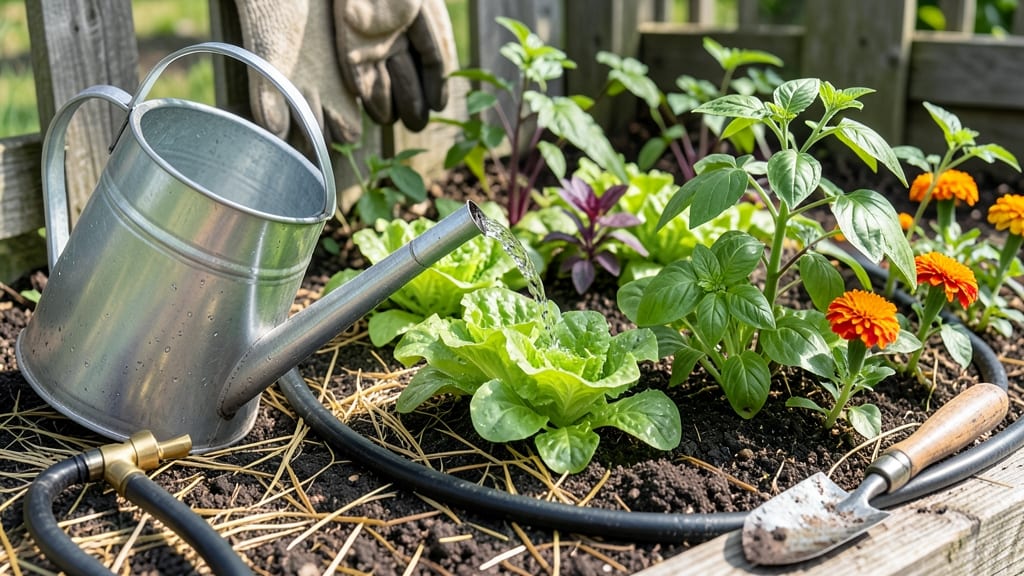
Watering your garden bed the right way means delivering moisture deep into the roots—not just splashing the surface—so plants grow strong and your water bill stays low.
Struggling with uneven plant growth or water waste in your garden beds? The secret to thriving plants lies in understanding how and where to water—not just how much.
Most gardeners overlook soil type and plant needs, leading to soggy roots or thirsty plants. A morning watering routine with the right tools (like drip irrigation) can cut waste by up to 30% while keeping roots hydrated where they need it most.
In this guide, I’ll break down zone-based watering, the best tools for your garden bed, and how to spot common mistakes that drain your water—and your patience.


How to divide garden beds into water zones for optimal root growth
Creating water zones in your garden beds is like designing a custom hydration system for each plant. Instead of treating your entire bed like one giant thirsty mouth, you tailor water delivery based on root depth, sun exposure, and soil type.
This approach saves water, prevents root rot, and ensures every plant gets exactly what it needs—no more, no less.
The key to success starts with understanding that plants don’t all drink the same way. Shallow-rooted herbs like basil and thyme need frequent, light sips, while deep-rooted vegetables like carrots and tomatoes thrive with deep, infrequent watering.
By mapping your garden bed into zones, you can deliver water precisely where it’s needed most, reducing waste by up to 40%.
Before you grab your hose or irrigation system, gather these essential tools: a soil moisture meter to check hydration levels, a measuring tape for bed dimensions, and a notebook to sketch your zones.
You’ll also need stakes and string to mark boundaries—think of it as creating a blueprint for your garden’s hydration needs.
Start by observing your garden bed’s natural conditions. Note where the sun hits hardest (these areas dry out faster) and where shade lingers (which may stay damp longer). Dig a small hole in each section to check soil drainage.
Sandy soil drains quickly and needs more frequent watering, while clay soil holds moisture longer and may only need watering every few days.
Now, group plants with similar water needs into zones. For example, place drought-tolerant succulents and rosemary in one area that gets less frequent watering, while leafy greens like lettuce and spinach go in a zone that stays consistently moist.
This method ensures no plant is over- or underwatered, leading to healthier roots and stronger growth overall.
Water Zone Guide for Garden Beds
| Zone Type | Plant Examples | Watering Frequency | Root Depth | Best Tools |
|---|---|---|---|---|
| Zone 1: Frequent & Light | Herbs, lettuce, spinach | Every 1–2 days | 0–6 inches | Mist sprayer, drip line |
| Zone 2: Moderate & Deep | Tomatoes, peppers, cucumbers | Every 3–4 days | 6–12 inches | Soaker hose, deep-watering wand |
| Zone 3: Infrequent & Deep | Carrots, asparagus, lavender | Every 5–7 days | 12+ inches | Drip irrigation, rain gauge |
| Zone 4: Drought-Tolerant | Succulents, rosemary, thyme | Every 10–14 days | Varies (shallow to deep) | Hand watering, mulch |
Once you’ve mapped your zones, use mulch to lock in moisture and reduce evaporation. Organic mulch like straw or wood chips works best—apply a 2–3 inch layer around plants, but keep it a few inches away from stems to prevent rot.
Mulch also suppresses weeds, which compete with your plants for water.
To make watering even more efficient, invest in a timer-controlled irrigation system. Set it to deliver water at the optimal time (early morning) and adjust the duration based on your zone’s needs.
For example, Zone 1 (frequent watering) might get 5 minutes per session, while Zone 3 (deep watering) could need 15 minutes. This automation ensures consistency and saves you time.
Don’t forget to monitor your zones regularly. Check soil moisture every few days by sticking your finger 1–2 inches into the soil. If it’s dry, it’s time to water. If it’s still damp, hold off—overwatering is just as harmful as underwatering.
Adjust your zones as your plants grow, especially if you notice wilting or yellowing leaves, which can signal hydration issues.
By dividing your garden bed into water zones, you’re not just saving water—you’re creating an environment where every plant can thrive. This method reduces stress on your plants, boosts root growth, and even extends your harvest season.
Plus, you’ll spend less time fussing over watering and more time enjoying your garden’s bounty.
Best watering techniques for different garden bed zones
Not all garden beds are created equal—and neither are their watering needs. Deep-rooted perennials like asparagus demand slow, consistent moisture, while shallow-rooted herbs like basil need frequent, light drinks.
Matching your watering method to your plant zones saves water and prevents root stress. Let’s break down the best tools and techniques for each scenario.
Your soil type plays a huge role too. Sandy soil drains fast, requiring daily shallow watering, while clay soil holds moisture longer, needing deep, infrequent soaks.
Climate matters too: in hot, dry zones, mulch acts as a moisture blanket, while humid regions may need less frequent watering to avoid fungal issues.
Watering Method Comparison
- Pros: Precise, slow delivery; reduces evaporation
- Cons: Clogs easily; requires setup
- Pros: Even moisture; great for rows
- Cons: Limited to ground level; can kink
- Pros: Quick coverage; adjustable spray
- Cons: Wastes water on windy days; surface-only
For deep-watering zones (like vegetable beds), I recommend drip irrigation or soaker hoses buried 1–2 inches below soil. This encourages roots to grow downward, creating drought-resistant plants. Aim for 1–2 inches of water per week, delivered slowly over 30–60 minutes to avoid runoff.
Surface hydration works best for container gardens or shallow-rooted plants like lettuce. Use a gentle sprinkler or watering can with a fine rose attachment to mimic natural rain. Water in the early morning to prevent fungal diseases—never at night, as damp leaves invite powdery mildew.
In arid climates, I add hydrogel crystals to the soil to retain moisture between waterings. For humid zones, focus on morning watering and avoid overhead sprinklers. Always check soil moisture with your finger: if the top 1–2 inches feel dry, it’s time to water.
Pro tip: Group plants with similar water needs together. Herbs like thyme and rosemary thrive on the dry side, while tomatoes and peppers need consistent moisture. Adjust your watering schedule seasonally—summer heat may require daily checks, while winter dormancy cuts water needs by half.
Remember, overwatering is just as harmful as underwatering. Yellowing leaves or wilting despite damp soil? You’re likely suffocating roots. Always prioritize deep, infrequent watering over light, frequent sprinkles to build resilient plants.