
Tools
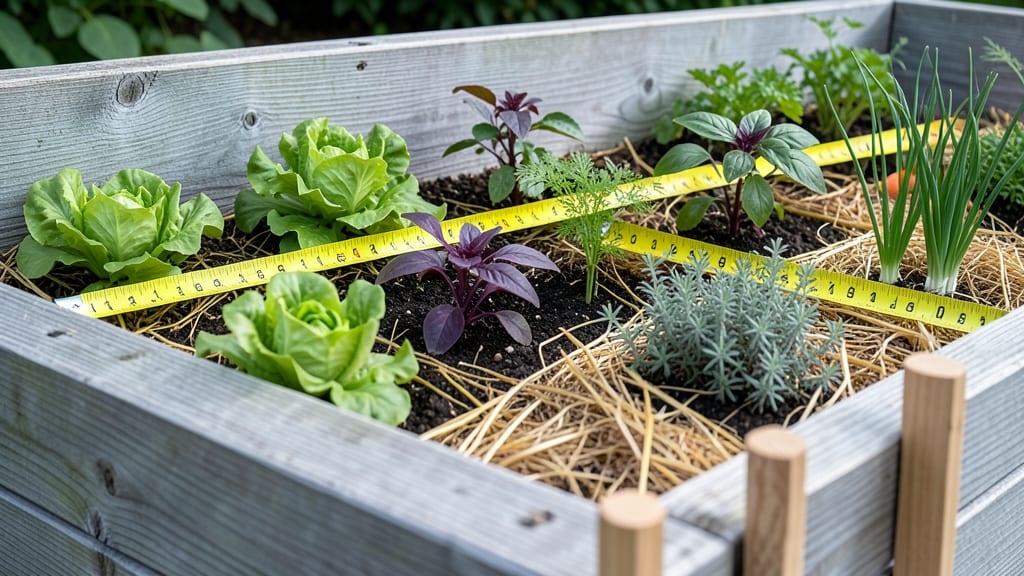
Determining the right garden bed width can transform your gardening from a chore into a thriving, low-maintenance system 🌱.
Picture this: you’re knee-deep in soil, reaching for the center of your bed—only to realize you’ve wasted precious space on a width that’s too narrow for easy access or too wide to manage efficiently. That’s where most gardeners go wrong, and it’s costing them time, plants, and even harvests.
Whether you’re designing a raised bed, in-ground plot, or container garden, the width you choose affects everything from plant spacing to weed control. Too narrow, and you’ll struggle to reach the middle without trampling your crops. Too wide, and you’ll spend more time weeding than you do enjoying your garden.
In this guide, I’ll break down the ideal garden bed widths for different plant types, how to adjust for your reach and garden style, and the simple math behind spacing that keeps your garden both productive and easy to care for.
Optimal garden bed widths for easy access and plant spacing
Choosing the right garden bed width is one of the most overlooked yet critical decisions in garden design. Most gardeners default to 4-foot beds—but science shows this isn't always ideal.
The perfect width balances reachability, plant spacing, and soil health, while preventing common mistakes like overcrowding or wasted space. Let’s break down the science-backed ranges that work for most gardens.
Research from the National Gardening Association confirms that beds between 2 to 4 feet wide maximize efficiency. Why? Because this range lets you reach the center without stepping on soil (which compacts it and harms roots).
Narrower beds (under 2 feet) waste space for paths, while wider beds (over 4 feet) force you to trample soil or use awkward tools. The key is matching width to your plant types and garden style.
Raised beds often benefit from 3-foot widths—this lets you sit on the bed’s edge while working, reducing back strain. In-ground beds, however, typically thrive at 4 feet to accommodate larger plants like tomatoes or squash. The difference comes down to soil accessibility and root competition. Let’s dive into the specifics with a quick reference table to guide your layout.
| Bed Type | Optimal Width | Best For | Why It Works |
|---|---|---|---|
| Raised Beds | 2–3 feet | Herbs, lettuce, carrots | Easy access; no soil compaction |
| In-Ground Beds | 3–4 feet | Tomatoes, peppers, bush beans | Balances reach and plant spacing |
| Wide Beds (5+ ft) | 4–6 feet | Vining plants (cucumbers, squash) | Maximizes yield but needs paths |
| Narrow Beds (1–2 ft) | 1–2 feet | Strawberries, radishes | Ideal for edges or small spaces |
The 4-foot myth persists because it’s a one-size-fits-all solution—but it fails for many gardeners. For example, if you grow tall plants like sunflowers or corn, a 4-foot bed forces you to crowd them, leading to poor airflow and fungal diseases.
Instead, opt for 3-foot beds with 1-foot paths between rows. This setup reduces trampling and improves weed control.
Another common mistake? Ignoring your physical reach. If you’re shorter or have mobility issues, 2-foot beds might be more comfortable. Measure your arm’s length from shoulder to fingertips—this is your ideal reach for pruning or harvesting.
For taller gardeners, 4-foot beds work well, but add drip irrigation lines to avoid stepping on soil.
Soil health also plays a role. Wide beds (5+ feet) can lead to uneven moisture distribution unless you install soaker hoses or drip systems. Narrow beds, on the other hand, dry out faster and require more frequent watering.
The sweet spot? 3-foot beds with 1-foot paths—this setup mimics natural ecosystems where plants thrive without competition.
For raised beds, width matters even more because you’re working with limited soil volume. A 3-foot width lets you sit comfortably while planting or harvesting. Add wooden planks or stepping stones on the long sides to create a seated workstation.
This is especially useful for small gardens or urban containers, where space is limited.
Pro tip: Use string lines or laser levels to mark your bed widths before digging. This ensures straight edges and consistent spacing. For in-ground beds, consider lasagna gardening—layering cardboard, compost, and mulch—to improve soil structure in wider beds. This method reduces compaction and boosts root growth.
If you’re growing large plants like pumpkins or melons, break your bed into smaller sections (e.g., 2-foot widths) to give them room to sprawl. Pair this with trellises or cages to save space.
For herbs and greens, 1–2 foot beds work perfectly—they mature quickly and don’t need wide spacing.
Remember: width isn’t set in stone. Adjust based on your plant varieties, climate, and personal comfort. Start with a 3-foot raised bed or 4-foot in-ground bed, then tweak
How to calculate bed width based on your plants and reach
Calculating the perfect garden bed width starts with your plant varieties and physical reach. Most gardeners assume a standard 4-foot bed works for everything, but that’s a recipe for overcrowding or wasted space.
Instead, I recommend measuring your arm’s-length reach—the distance you can comfortably access without stepping on the soil. This simple trick saves your back and maximizes growth.
Begin by checking your plant spacing charts (usually found on seed packets or plant tags). These charts specify the mature plant width—the space each plant needs to thrive. For example, tomato plants typically need 18–24 inches of space, while carrots can squeeze into 3–4 inches.
Ignoring these numbers leads to stunted growth or disease from poor airflow.
- Measure your arm’s-length reach
- Check plant spacing requirements
- Add 6–12 inches for pathways
- Adjust for sunlight exposure
- Test with string or stakes
Pro Tip: For raised beds, subtract 1 foot from your reach to account for the bed’s height. For in-ground beds, add 6 inches to ensure easy access.
Next, consider your sunlight exposure. Plants like peppers and eggplants thrive in full sun (6+ hours daily) and need wider beds to avoid shading from taller neighbors. If your bed runs north-south, taller plants on the south side will cast shadows.
To fix this, place short plants (like lettuce) on the south side and tall plants (like sunflowers) on the north side.
Don’t forget to account for pathways. A 6-inch pathway between beds lets you tend to plants without compacting soil.
For example, if your reach is 3 feet and you’re planting basil (which needs 12 inches of space), your bed should be 36 inches wide (3 feet reach + 6 inches pathway). This ensures you can comfortably prune and harvest without bending over.
Finally, test your layout before planting. Use string or stakes to mark your bed’s width and walk through the space. If you’re gardening with a partner or kids, adjust the width to accommodate their reach too.
For container gardens, the same rules apply—just scale down. A 5-gallon pot might only fit one tomato plant, while a 10-gallon pot could handle two basil plants with proper spacing.
By following these steps, you’ll create a functional, accessible garden bed tailored to your plants and mobility. Happy growing! 🌱