
Fertilization
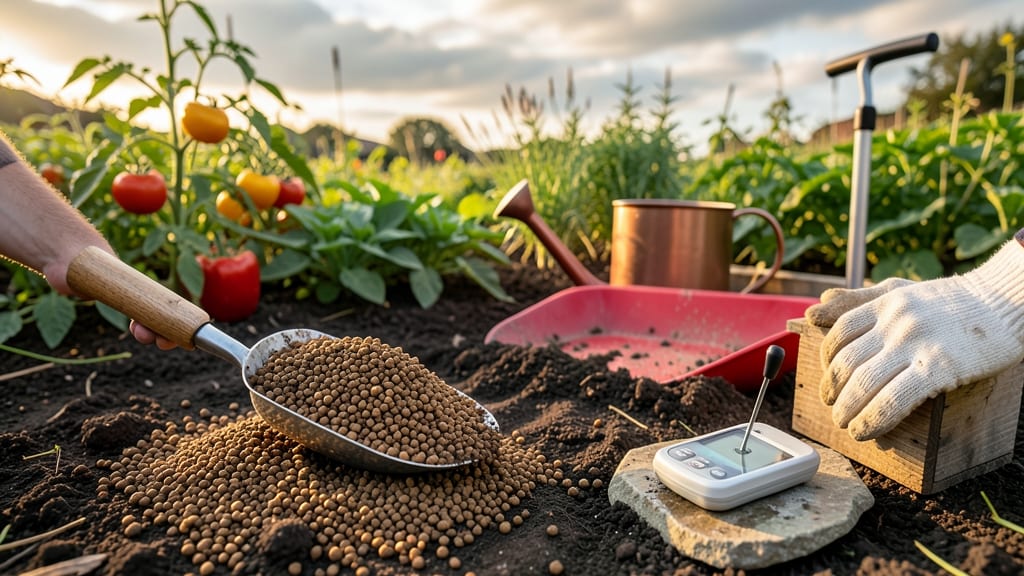
Reviews of garden fertilizers consistently rank Espoma Organic Garden Food as the best option for quickly revitalizing soil, thanks to its nutrient balance and microbial boost that restore depleted garden beds in just a few weeks. Other highly rated organic choices include worm castings, fish emulsion, and compost blends tailored to specific plant needs.
When you're looking at garden fertilizers reviews, the real standout is how these organic options work differently than synthetic alternatives. 🌱 Unlike quick-release chemicals, organic fertilizers feed soil microbes, which then break down nutrients slowly over time—this creates a healthier ecosystem for your plants.
I've seen firsthand how Espoma's microbial activity helps struggling gardens bounce back faster, especially when combined with regular composting. The key difference is sustainability: organic fertilizers improve soil structure while synthetic ones often just provide a temporary nutrient spike.
What's interesting is how specific fertilizers cater to different plants.
For example, fish emulsion is fantastic for leafy greens because of its high nitrogen content, while worm castings provide gentle, long-term nourishment for flowering plants. 💫 The reviews often highlight that organic options may require more frequent application but deliver far better long-term results for both the plants and the soil itself.
💡 In This Article
- How Organic Garden Fertilizers Improve Soil Health
- Best Organic Fertilizers for Specific Plant Types
How organic garden fertilizers improve soil health
Organic fertilizers work by feeding beneficial soil microbes, which then break down nutrients into forms plants can absorb over time. Unlike synthetic fertilizers that release nutrients immediately, organic options like Espoma Organic Garden Food contain slow-release compounds that stimulate microbial activity.
This process creates a natural nutrient cycle where microbes convert complex organic matter into plant-available nitrogen, phosphorus, and potassium through a process called mineralization.
The microbial boost is what sets organic fertilizers apart. A single gram of healthy soil can contain billions of bacteria and fungi that form symbiotic relationships with plant roots.
When you apply organic matter, you're essentially feeding this ecosystem—think of it like adding a probiotic to your garden's digestive system. 🌱 For example, Espoma's formula contains mycorrhizal fungi that help plants absorb water and nutrients more efficiently, while also improving root structure.
Studies show that soils treated with organic fertilizers can have up to 30% more microbial biomass compared to untreated soils.
Another key advantage is the pH balance effect. Organic fertilizers tend to be less acidic than synthetic ones, which helps maintain a stable soil pH around 6.0-7.0—ideal for most plants.
The slow nutrient release also prevents the "burn" effect you sometimes see with synthetic fertilizers, where plants get overwhelmed by sudden nutrient spikes. This gentle approach leads to stronger root systems that can better withstand drought and disease.
Consider the nutrient release rates: synthetic fertilizers might provide a quick 10-15% nitrogen boost that's gone in weeks, while organic options release nutrients gradually over months. For instance, worm castings can take 3-6 months to fully break down, but during that time they continuously improve soil structure and water retention.
This long-term approach is why gardeners often see better plant resilience in their second year of using organic fertilizers.
The physical benefits are equally impressive. Organic fertilizers improve soil aggregation—creating those crumbly, well-aerated soil particles that roots love.
They also increase cation exchange capacity (CEC), which is like adding more parking spaces for essential nutrients in your soil. 💫 This is why plants grown in organically fertilized soil often show better color, flavor, and yield compared to those in chemically treated soil.
The difference is particularly noticeable in vegetables like tomatoes and peppers, where nutrient density directly impacts taste and shelf life.
What most gardeners don't realize is how organic fertilizers create a self-sustaining system. Each application builds soil organic matter, which acts as a nutrient reservoir that continues to feed plants long after you've stopped applying fertilizer.
This is why many organic gardeners see compounding benefits year after year—something that's nearly impossible with synthetic fertilizers that only provide temporary fixes.