
Tools
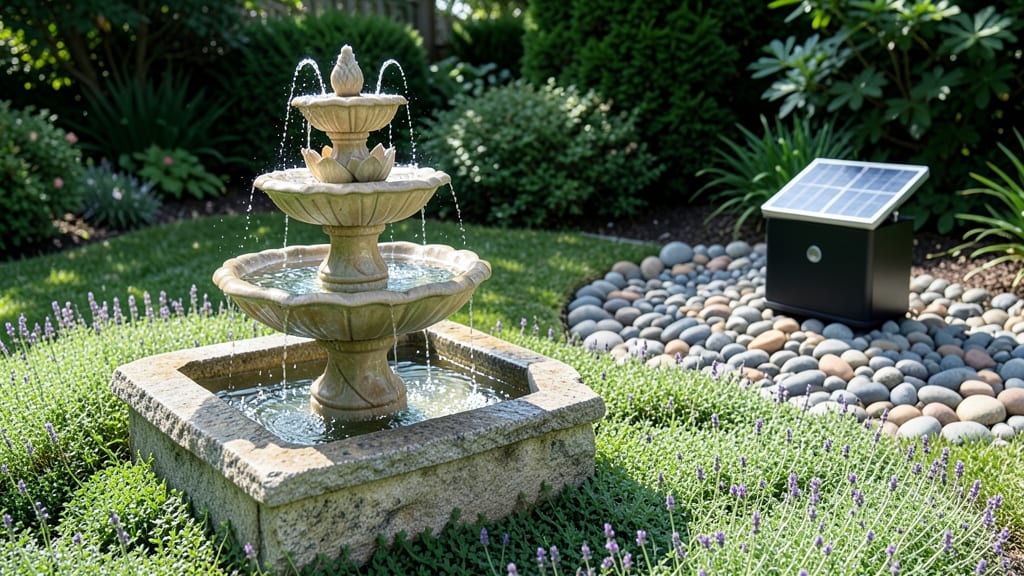
Changing garden fountain water every 1 to 2 weeks in warm climates or every 3 to 4 weeks in cooler weather prevents algae, bacteria buildup, and mineral deposits. Always use dechlorinated water and fountain treatments to maintain clarity.
This schedule keeps your fountain looking pristine by preventing the buildup of harmful microorganisms and mineral deposits that cloud the water. 💧 The warmer the climate, the faster water degrades—sunlight fuels algae growth, while chlorine and hard water minerals accelerate staining.
I recommend using rainwater when possible, as it contains fewer contaminants than tap water. For tap water, a simple dechlorination process with hydrogen peroxide or fountain-specific treatments works wonders.
Seasonal adjustments are key: in summer, you might need to refresh the water weekly, while winter's cooler temperatures naturally slow down decay. Always clean your pump and filters monthly to ensure optimal flow and prevent clogs from debris buildup.
💡 In This Article
- Why and How Fountain Water Turns Cloudy or Green
- Step-by-Step Guide to Maintaining Crystal Clear Fountain Water
Why and how fountain water turns cloudy or green
Sunlight is the primary culprit behind algae blooms in garden fountains. When water sits exposed for extended periods, it absorbs ultraviolet (UV) rays that energize microscopic algae spores, turning them into active, reproducing organisms.
These algae colonies multiply rapidly in warm water (70°F and above), creating that familiar greenish tint within just 3-5 days of neglect. The process is similar to how pond scum forms—only faster in confined spaces with stagnant water.
Bacteria and minerals also play a role in cloudiness. Tap water contains chlorine and chloramine disinfectants that kill harmful pathogens but leave behind residues. Over time, these chemicals break down into compounds that create a murky appearance.
Meanwhile, hard water with high calcium and magnesium levels deposits lime scale on fountain surfaces, which appears as white, chalky buildup that further obscures clarity. In cooler climates (below 60°F), these processes slow dramatically, which is why water lasts longer in winter months.
The chemical reaction between sunlight, nutrients (like decaying leaves), and stagnant water creates a perfect storm for algae. Even a single leaf left in the fountain can release enough organic matter to fuel a bloom.
What's surprising is how quickly this happens—some algae species can double their population every 24 hours under ideal conditions. This exponential growth explains why weekly changes in summer are often necessary, while monthly changes in spring/fall might suffice.
Chlorine in tap water presents another challenge. While it initially kills algae, it eventually evaporates, leaving behind a nutrient-rich environment that encourages regrowth. This is why dechlorination is critical—it removes these residual chemicals that would otherwise accelerate the decay process.
The science here mirrors what happens in swimming pools: chlorine works as a disinfectant but becomes ineffective once it's depleted, allowing contaminants to thrive.
Mineral deposits form through a process called precipitation, where dissolved minerals crystallize out of solution when water evaporates. In hard water areas, this can create visible white rings around the fountain's edges within just 2-3 weeks.
The texture of these deposits is rough and gritty, which not only looks unsightly but also creates rough surfaces where bacteria can cling more easily. This dual threat of algae and mineral buildup explains why comprehensive maintenance involves both water changes and physical cleaning.
Temperature acts as the ultimate accelerator for all these processes. Water at 80°F will degrade roughly twice as fast as water at 60°F due to increased microbial activity. This is why fountain owners in Arizona might need to change water weekly while those in Maine can stretch changes to monthly.
The relationship between temperature and decay follows what scientists call the "Q10 rule"—for every 10°F increase, chemical and biological reactions speed up by about 50%.
Understanding these mechanisms helps explain why some fountains stay clear longer than others. Shaded fountains with filtered water and proper chemical treatments can maintain clarity for extended periods, while exposed fountains in hot climates require more frequent attention.
The key takeaway is that fountain water isn't just "dirty"—it's undergoing complex chemical and biological transformations that we can control with proper maintenance.