
Blooming
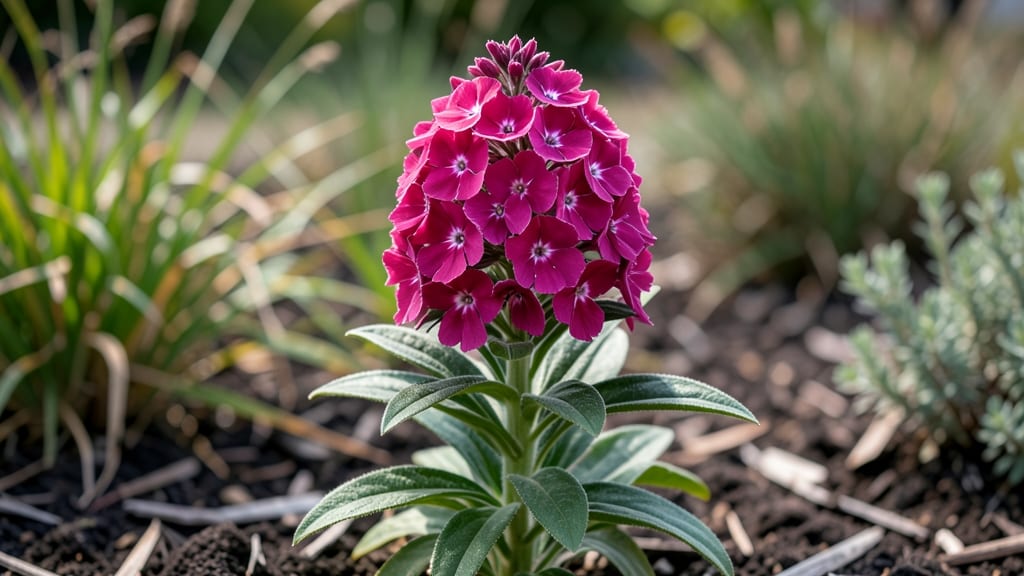
Garden phlox blooms for 8 weeks of vibrant color 🌸, but timing your planting is the key to unlocking that full season of show-stopping flowers.
If you’ve ever dreamed of a vibrant garden bursting with color for weeks, garden phlox could be your secret weapon—but timing is everything. Plant too early, and you’ll miss peak blooms; too late, and your show might fizzle before summer’s end.
In USDA Zone 6a, phlox typically blooms from late spring through early fall, but regional climate shifts that window. Learn how to align your planting schedule with your local frost dates to stretch those blooms from May all the way to September.
From choosing the right varieties to deadheading techniques, I’ll walk you through the exact steps to maximize your phlox’s bloom time—so you can enjoy wave after wave of those fragrant, colorful clusters.
Understanding garden phlox bloom time by variety and climate Zone
Garden phlox is one of those showstopper flowers that can transform your yard into a nonstop color festival—but only if you plant it at the right time. The key lies in understanding two critical factors: your phlox variety and your USDA climate zone.
These determine whether your phlox will burst into bloom in early June or linger until mid-October. Let’s break down how to align your planting schedule with nature’s timing for maximum bloom duration.
Phlox comes in two main groups: Phlox paniculata (garden phlox) and Phlox drummondii (annual phlox). The first is the perennial powerhouse that gardeners love for its long, reliable blooms, while the second is a fast-blooming annual that pops up in late spring.
Your climate zone then fine-tunes when these varieties will actually flower in your garden. For example, in USDA Zone 5, early varieties of Phlox paniculata might start blooming in late May, while in Zone 9, the same variety could wait until July.
To create an 8-week color display, you’ll need to mix early, mid, and late-season varieties. This strategy ensures that as one batch of blooms fades, another takes over.
For instance, pairing ‘David’ phlox (early) with ‘Lipstick’ phlox (mid) and ‘Blue Paradise’ phlox (late) can give you a continuous show from June through August. The secret? Planting them all at the same time but choosing varieties with staggered bloom windows.
| Variety | Bloom Time | USDA Zones | Planting Window | Bloom Duration |
|---|---|---|---|---|
| Phlox paniculata (Garden Phlox) | Mid to late summer | 3-8 | Early spring or early fall | 6-8 weeks |
| ‘David’ (Early) | Late May - June | 4-7 | Early spring | 4-6 weeks |
| ‘Lipstick’ (Mid) | June - July | 5-9 | Early spring or fall | 6-8 weeks |
| ‘Blue Paradise’ (Late) | July - August | 6-10 | Early spring | 5-7 weeks |
| Phlox drummondii (Annual Phlox) | Late spring - early summer | All zones (annual) | Late winter (indoors) or early spring (outdoors) | 4-6 weeks |
If you’re in USDA Zone 3 or 4, where frost dates are critical, focus on early-blooming varieties like ‘Early Callie’ or ‘Jeana’. These varieties start flowering as soon as the soil warms, often by late May, giving you a head start before summer heat sets in.
In contrast, gardeners in Zones 8-10 can push their planting later, aiming for early fall to take advantage of cooler temperatures and avoid summer dormancy.
For Zone 5-7, where most gardeners live, a two-pronged approach works best: plant half your phlox in early spring (March-April) and the other half in early fall (September-October).
This ensures that some plants are already established and blooming by June, while the fall-planted ones won’t flower until next summer. It’s like having a built-in backup plan for consistent color.
Don’t overlook soil temperature—phlox roots need to warm up to 50°F (10°C) before they’ll send up vigorous shoots. In cooler climates, this might not happen until mid-April, while in warmer zones, you could start as early as February.
Use a soil thermometer to check—it’s a small investment for peak bloom timing.
One common mistake is assuming that all phlox varieties bloom at the same time. In reality, some early varieties like ‘Jeana’ can start as early as late May, while late varieties like ‘Blue Paradise’ might not peak until August.
Mixing these in your garden bed creates a staggered effect, ensuring you’re never without color. For example, in my Zone 6 garden, I planted
Step-by-step planting schedule to maximize phlox bloom duration
To stretch your garden phlox blooms from early summer through Labor Day, precise planting timing is key. Whether you choose spring or fall planting, each season offers unique advantages for extending your 8-week color show.
The secret lies in aligning your schedule with your USDA zone and preparing the soil for optimal growth.
Phlox thrives in well-draining soil with a slightly acidic pH (6.0-7.0). Before planting, amend your soil with compost or aged manure to improve fertility. For full sun locations, add a 2-inch layer of mulch to retain moisture and suppress weeds—critical for maintaining vibrant blooms through summer heat.
- 📅 February-March (Spring Planting)
Start 6-8 weeks before last frost (typically March in Zones 5-7). Choose hardy varieties like Phlox paniculata for reliable blooms. - 🌱 April-May (Transplanting)
Move seedlings to full sun once soil warms to 60°F+. Space 12-18 inches apart for airflow and disease prevention. - 💧 June-July (Watering & Deadheading)
Water deeply 2-3x/week and deadhead spent blooms to encourage continuous flowering. - 🍂 September (Fall Planting)
Plant bare-root phlox in cool, moist soil (Zones 3-8). Fall roots establish before winter, leading to earlier spring blooms. - ❄️ October-November (Winter Prep)
Apply 3 inches of mulch to protect roots in Zones 4-6. Avoid fertilizing—let plants rest for next year’s growth.
For longer bloom duration, prioritize Phlox paniculata varieties like 'David' or 'Lipstick'. These types naturally bloom 3-4 weeks later than annual phlox, creating a staggered display. Pair them with early-season phlox (e.g., 'Blue Moon') to ensure nonstop color from June to September.
In hot climates (Zones 8-10), plant in partial shade to prevent wilting. Use drip irrigation to deliver water directly to roots, reducing stress. Avoid overhead watering, which can spread fungal diseases like powdery mildew—a common phlox bloom killer.
Pro tip: Divide mature phlox every 3-4 years to rejuvenate growth. In early spring, dig up clumps, separate roots, and replant. This refreshes blooms and prevents overcrowding, which shortens flower stems and weakens color intensity.
With this schedule, your garden phlox will reward you with weeks of fragrant blooms—just in time for summer gatherings. The key is consistency: right timing, proper care, and a little patience will turn your garden into a phlox paradise from June through Labor Day. 🌸