
Container Gardens
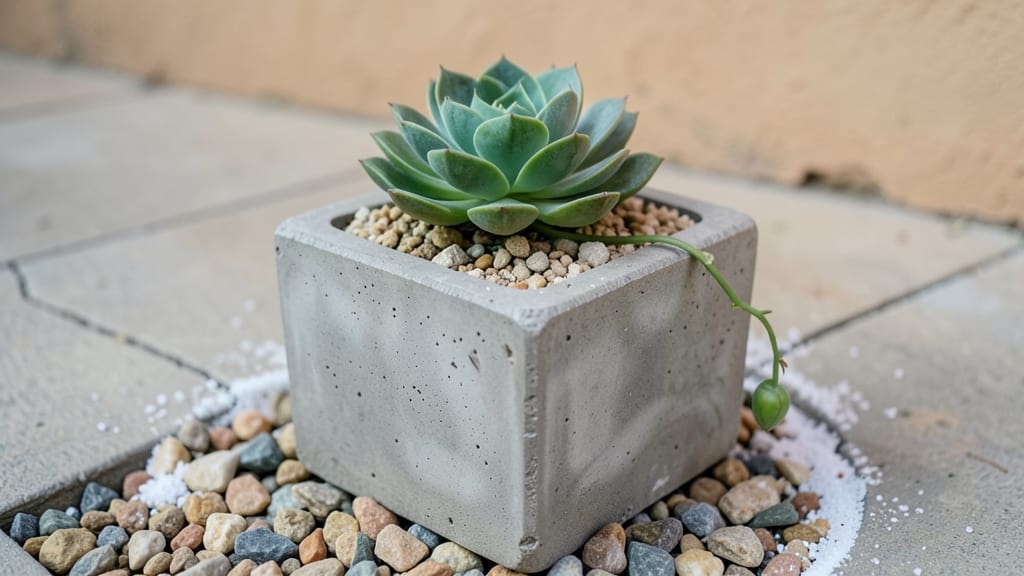
Cement garden pots provide long-lasting outdoor durability but need precise mixing—typically 1 part cement to 2 parts sand—to prevent cracks. Their substantial weight keeps plants stable but requires secure placement or casters for easy movement.
Cement-based planters are a gardener's secret weapon for harsh climates, thanks to their resistance to rot, pests, and extreme temperatures. 🔥 The 1:2 cement-to-sand ratio creates a balance between strength and workability, though adding 1-2% fiber reinforcement (like chopped wire mesh) can prevent cracking during curing.
Portland Type III cement cures faster for DIY projects, while Type I offers better long-term durability. For mobility, consider adding metal brackets to the bottom before the mix fully sets—this lets you attach wheels later without compromising the pot's integrity.
When mixing, gradual water addition is critical: too much weakens the structure, while too little makes the mix unworkable. I always let my first batch cure for 7 days under plastic sheeting to lock in moisture before exposing it to elements.
Pro tip: Use a non-stick mold release agent (like vegetable oil) to avoid tearing the pot when removing it from the form. For aesthetic touches, add integral color pigments to the mix—just be sure to test the shade before committing to a full batch.
💡 In This Article
- How Cement Composition Affects Garden Pot Strength
- DIY Cement Pot Mixing Guide for Gardeners
How cement composition affects garden pot strength
The 1:2 cement-to-sand ratio creates a structural balance that's ideal for garden pots. Cement binds with water to form calcium silicate hydrate (C-S-H), the glue that holds the mix together, while sand provides the bulk and prevents excessive shrinkage.
Too much sand (like a 1:3 ratio) weakens the pot, while too much cement (like 1:1) makes it brittle and prone to cracking as it dries. The optimal mix achieves a compressive strength of 2,500-3,500 psi—enough to withstand seasonal weight shifts from soil and plants.
Fiber reinforcement is where things get interesting. Adding 1-2% chopped fiberglass or wire mesh by volume creates a micro-reinforced structure that absorbs stress from temperature fluctuations and root expansion. Without reinforcement, pots are vulnerable to micro-cracks that spread over time, especially in freeze-thaw cycles.
For example, a 12-inch diameter pot with fiber reinforcement can handle up to 50% more weight than one without before showing stress. The fibers also improve impact resistance—dropping a 5-pound rock on a reinforced pot might leave a dent, but an unreinforced one could crack completely.
Curing time is often underestimated but critical. During the first 7 days, the cement mix undergoes hydration, where chemical reactions bind the materials together. Skipping this phase—by moving pots outdoors too soon—leads to uneven drying and surface cracks.
For best results, cover freshly mixed pots with plastic sheeting for 7-14 days to maintain consistent moisture. This slow, controlled drying prevents the outer layer from hardening faster than the core, which is the primary cause of spalling (flaking) in outdoor planters.
Portland cement types matter too. Type III (high-early-strength) cures in 3-7 days, perfect for DIY projects needing quick turnaround, while Type I (general use) takes 28 days to reach full strength but offers better long-term durability. For extreme climates, consider Type V (sulfate-resistant) cement, which handles acidic soils better.
Additives like plasticizers (0.5-1% of cement weight) improve workability, while integral waterproofers (like 0.5% calcium stearate) reduce water absorption by 30-50%, crucial for pots holding moisture-loving plants like ferns or calatheas.
Color pigments aren't just for aesthetics—they can affect performance. Iron oxide pigments (common for reds and browns) add 5-10% by volume but may slightly reduce compressive strength by 5-10% if overused. For example, a mix with 10% pigment might achieve 2,000 psi instead of 2,500 psi.
Test small batches first! The trade-off is worth it for customizing pots to match your garden's color scheme while maintaining structural integrity.
What most gardeners don't realize is that the water-to-cement ratio has the biggest impact on strength. A 0.45-0.50 ratio (by weight) is ideal—too much water (like 0.60+) creates porous weak spots that absorb moisture and freeze in winter.
Use a slump test: mix a small batch, form a cone, and measure how far it collapses. A 1-2 inch slump is perfect for pots. 💫