
Tools
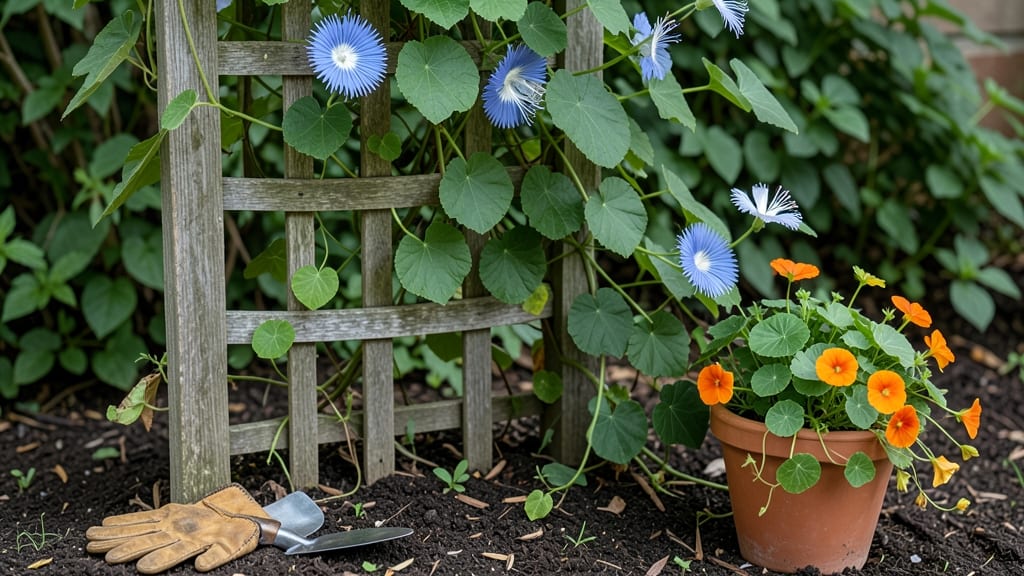
When shopping for garden trellises for sale, you'll find options in wood, metal, bamboo, and PVC, each balancing durability, visual appeal, and structural support for climbing plants. Your choice should align with your budget, the specific needs of your plants, and how easily you can install it.
Finding the right garden trellis transforms your yard from flat to vertical, turning even small spaces into lush plant displays. 🌿 The material you choose affects everything from maintenance to how well your vines or flowers will climb—wood offers classic charm but needs sealing, while metal lasts decades with minimal upkeep.
I always recommend matching the trellis to your plants: heavy climbers like ivy need sturdy metal or thick wood, while lighter flowers can thrive on decorative bamboo or PVC. Plus, consider your DIY skills—some materials require more assembly than others, which can save you time and frustration down the road.
For example, if you're growing grapes or passionflowers, look for metal trellises with powder-coated finishes to prevent rust, while a simple wooden obelisk might be perfect for morning glories or clematis.
The key is weighing your priorities: do you want long-term durability, affordable upfront costs, or quick assembly? Each material has its place, and knowing your garden's needs will help you make the best investment.
💡 In This Article
- Top 5 Garden Trellis Materials Compared
- Where to Buy Quality Garden Trellises Online
Top 5 garden trellis materials compared
Wooden trellises bring timeless charm to gardens but require regular maintenance to combat rot and insect damage. Cedar and redwood are top choices because their natural oils resist decay better than pine, which needs sealing every 1-2 years.
The weight of wood makes it ideal for heavy climbers like wisteria or grapes, but the 6-12 foot heights available can make assembly more labor-intensive than lighter materials. You'll also find wood's aesthetic appeal hard to match—it blends seamlessly with cottage-style gardens while offering that rustic texture that photographers love.
Metal trellises, especially those with galvanized or powder-coated finishes, offer unmatched durability—some last 20+ years with minimal upkeep. Aluminum options weigh 30-50% less than steel while resisting rust, making them perfect for windy areas.
The rigid structure supports aggressive climbers like kiwi vines or hops, and modern designs often include modular sections for easy customization. However, metal can heat up under direct sunlight, which might stress heat-sensitive plants like tomatoes if not properly shaded.
Bamboo trellises provide an eco-friendly, lightweight solution that's easy to assemble but requires annual treatment with a natural sealant to prevent moisture damage. The natural hollow tubes create an interesting visual texture while offering moderate support for medium-weight climbers like morning glories or sweet peas.
Bamboo's flexibility makes it ideal for curved designs, though it may not handle heavy fruit loads as well as metal. The material's sustainability comes from its fast growth cycle—some bamboo trellises are harvested in just 3-5 years compared to decades for hardwood.
PVC trellises offer the most budget-friendly option, typically costing $10-$30 for basic designs, while providing corrosion resistance and easy assembly. The lightweight plastic won't rust or rot, making it perfect for container gardens or rental properties where permanent installations aren't practical.
However, PVC lacks the natural aesthetic appeal of wood or bamboo, and its structural integrity diminishes under extreme heat (above 140°F), which can cause warping. For maximum longevity, look for UV-stabilized PVC that resists yellowing over time.
Composite trellises blend the best of multiple materials, often combining wood fibers with plastic for enhanced durability. These hybrids typically cost $30-$80 and offer rot resistance while maintaining wood-like appearance.
The composite materials are designed to withstand all weather conditions, including heavy rain and snow loads, making them ideal for northern climates. What sets them apart is their low-maintenance nature—no sealing required—and the ability to mimic the look of premium hardwoods without the associated upkeep.
When selecting, consider your garden's microclimate: coastal areas need salt-resistant materials, while humid regions benefit from naturally rot-proof options. For example, a cedar trellis might last 10-15 years in dry climates but only 5-7 years near water without proper treatment.
Always match the trellis height to your plant's maturity—most vines need 6-8 foot support to reach their full potential, while ground covers may only require 3-4 foot structures.