
Pruning
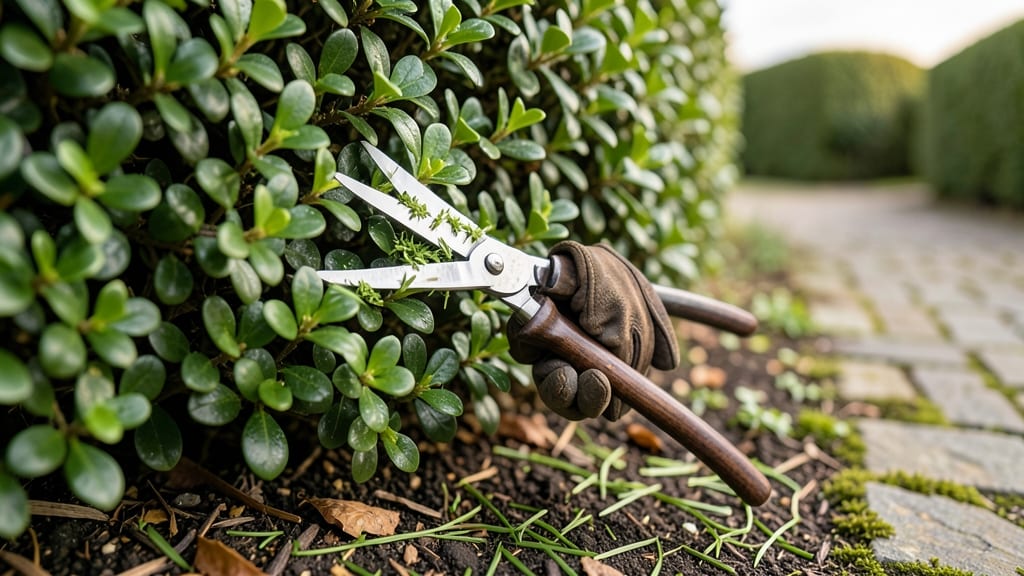
Choosing garden trimming shears means prioritizing sharp, durable blades for clean cuts, ergonomic handles to prevent hand strain, and adjustable tension for effortless snipping. Opt for stainless steel construction and lightweight builds to ensure long-lasting performance.
When you're selecting the right garden trimming shears, the blade type makes all the difference.
Bypass blades create cleaner cuts by sliding past each other, perfect for delicate stems, while anvil blades crush stems against a flat edge—ideal for thicker branches. 🌿 I always recommend stainless steel blades because they resist rust and stay sharper longer, especially if you're working in damp conditions.
The ergonomic handles aren't just about comfort; they reduce hand fatigue during long pruning sessions, which is a game-changer if you have arthritis or just want to avoid sore hands.
Don't overlook the tension adjustment feature—it lets you customize the snipping force for different plant types. For example, roses need a lighter touch than overgrown hedges. Battery-powered shears offer convenience, but manual models often provide more power for tough jobs.
Regular maintenance, like cleaning and oiling the blades, keeps your shears performing like new for years.
💡 In This Article
- Key Blade and Mechanism Features for Precision Trimming
- Top Considerations When Selecting Garden Shears for Different Plants
Key blade and mechanism features for precision trimming
The blade type determines how cleanly your shears cut—bypass blades work like scissors, with two sharp edges sliding past each other to create a smooth, clean cut ideal for delicate stems like roses or perennials.
This design minimizes tearing, which is critical when pruning flowering plants where clean cuts encourage faster healing and more abundant blooms. Anvil blades, on the other hand, crush stems against a flat edge, making them better suited for thicker branches or woody growth where precision isn't as critical.
The trade-off? Anvil blades can damage plant tissue more easily, which is why they're often found in heavier-duty shears designed for shrubs or small trees.
Tension adjustment is where modern shears outperform older models—it lets you dial in the exact amount of pressure needed for different plant types. For example, setting a lighter tension is perfect for deadheading annuals like petunias, while a firmer tension handles the resistance of overgrown boxwood hedges.
The mechanism typically uses a spring-loaded system where you can adjust the tension with a simple twist or screw, often marked with settings like "light," "medium," and "heavy." This feature isn't just about convenience; it also protects your blades from unnecessary wear when cutting tougher materials.
High-quality shears, like those from Felco or Corona, often include a locking mechanism to prevent accidental tension changes mid-use.
Pivot points are the unsung heroes of shear durability—low-quality shears with poorly designed pivots will quickly wear out, causing misalignment and dull blades. Look for shears with reinforced steel pivot points that are either riveted or bolted for maximum strength.
The pivot also affects how smoothly the blades open and close; a well-engineered pivot reduces friction, making each cut feel effortless.
Stainless steel blades outperform carbon steel in every way except sharpness retention (carbon steel holds an edge longer but rusts easily), making them the clear winner for garden use where moisture is inevitable.
The corrosion resistance of stainless steel means your shears will last seasons without pitting or weakening, even when stored in damp garages or used after rain.
Blade sharpening isn't just about keeping the edge keen—it's about maintaining the proper angle. Most garden shears have blades sharpened at a 25-30 degree angle, which balances cutting efficiency with durability. Over time, this angle can degrade, leading to uneven cuts that tear plant tissue.
Many professional-grade shears include a sharpening stone or guide built into the handle, so you can maintain the edge without removing the blades. Regular sharpening isn't just about performance; it's about extending the life of your shears.
A dull blade forces you to apply more pressure, which accelerates wear on the pivot points and handles. For the best results, sharpen your blades every 50-100 hours of use or when you notice the cuts feeling sluggish.
Don't overlook the role of blade coating in performance. Many premium shears feature a titanium or ceramic coating that reduces friction and prevents rust, while also making the blades easier to clean after use.
These coatings can extend the time between sharpenings by up to 30%, which is a significant advantage if you're using your shears frequently. The coating also helps maintain the blade's edge longer, even when cutting through tougher materials like small branches.
For example, a coated blade will glide through a rose stem with minimal resistance, whereas an uncoated blade might require more force, leading to fatigue and potential misalignment over time.
Here's what most people miss: the relationship between blade length and cutting capacity. Shears with 6-8 inch blades are ideal for most garden tasks, offering the perfect balance between precision and power. Longer blades (8-10 inches) can handle thicker branches but sacrifice some control for delicate work.
The key is matching the blade length to your most common pruning tasks—if you're mostly deadheading flowers and trimming hedges, a 6-7 inch blade will serve you better than a longer model.
The shorter length also makes the shears more maneuverable in tight spaces, like between rose canes or along garden borders.