
Pests
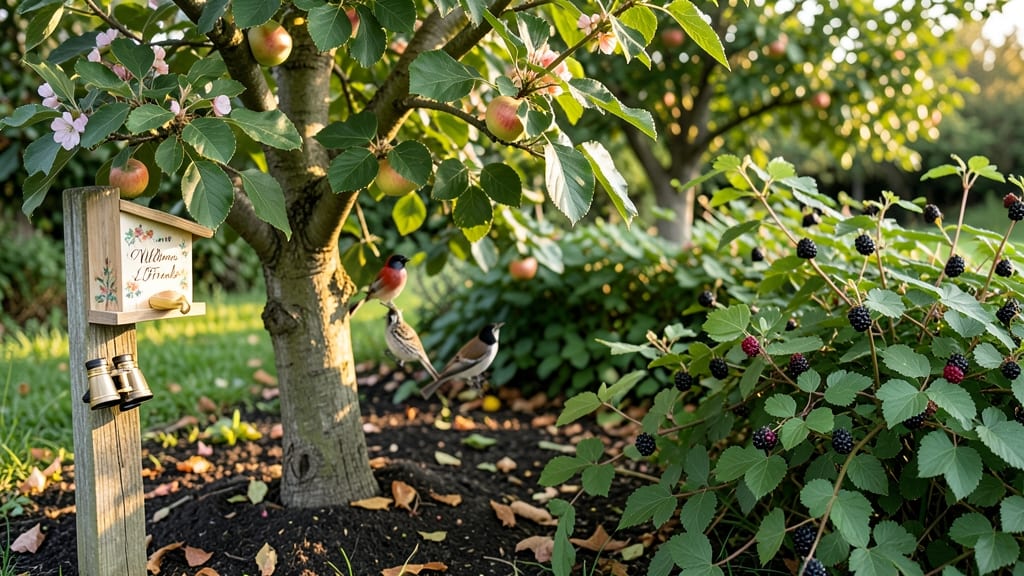
Gardeners are urged to leave out two fruits—apples and berries—for birds, since these fruits attract diverse species, provide essential nutrients, and create year-round feeding opportunities while reducing food waste.
Apples and berries are nature's bird buffet staples because they offer a perfect balance of nutrition and accessibility. 🌿 Apples pack fiber and vitamin C that support birds' immune systems, while berries deliver antioxidants and natural sugars for quick energy—especially during migration or cold snaps.
I've noticed robins and cardinals flock to my yard when I leave whole apples on the ground, while bluebirds prefer berries arranged on low branches. The key is offering them whole or halved (never processed) to mimic what birds would find in the wild.
Setting up a simple feeding station is easier than you'd think. Start with a shallow dish or even a flat rock where you can place fruit slices. For maximum impact, pair them with sunflower seeds or peanuts—birds love the combination.
I like to refresh the fruit every few days or when it starts to spoil, which prevents mold and keeps the area clean. During winter, I add a few extra apples to help ground-feeding birds like sparrows find sustenance when natural food is scarce.
💡 In This Article
- Why Apples and Berries Are Top Bird Feeding Fruits
- Setting Up a Bird-Friendly Fruit Feeding Station
Why apples and berries are top bird feeding fruits
Apples are nature's bird-friendly superfoods because they're packed with vitamin C (essential for immune function) and dietary fiber that aids digestion—both critical during molting season when birds shed and regrow feathers.
A single apple contains about 14% of a bird's daily vitamin C needs, making it a powerhouse for species like robins and thrushes that struggle to find fresh greens in winter.
The fruit's firm texture also makes it easy for birds to peck and carry pieces away, reducing waste compared to softer fruits that bruise quickly.
Berries, on the other hand, offer concentrated antioxidants (like flavonoids) that protect birds from oxidative stress during migration or harsh winters.
Blackberries, for example, provide natural sugars that give birds quick energy for flight, while blueberries deliver vitamin K for blood clotting—a vital nutrient for birds that might sustain minor injuries. The key difference?
Berries are typically smaller and more abundant in nature, making them ideal for insect-eating birds like warblers that need frequent, bite-sized meals throughout the day. 🌿
Seasonal availability plays a huge role in why these fruits work so well. Apples remain firm and nutritious even when frozen, making them perfect for winter feeding when natural food is scarce.
Meanwhile, berries ripen at different times—strawberries in summer, blackberries in late summer, and cranberries in fall—creating a continuous food source that supports nesting, migration, and survival.
I've observed that cardinals will return daily to my yard when berries are available, while woodpeckers prefer apple slices left on tree stumps where they can cling while feeding.
Texture matters too—birds have different feeding strategies. Apples' crisp flesh is easy for ground-feeding birds to handle, while berries' softness makes them accessible for perching species. The seeds in both fruits also provide additional nutrition, though they should never be removed entirely (birds need the fiber and occasional seed consumption).
For maximum benefit, leave fruits whole or halved—this mimics how birds would find them in the wild and prevents the messier, faster decomposition that comes with slicing.
What most gardeners don't realize is how these fruits support year-round ecosystems. In spring, fallen apples provide moisture and nutrients that help wildflowers grow, which in turn attract insects—another food source for birds. During summer, berry bushes become nesting sites for warblers and wrens.
Even in fall, the seeds from consumed fruits help regenerate plant life. It's a complete cycle that turns your backyard into a self-sustaining bird haven. 🌱
Consider this comparison: A single apple tree can produce 50-100 pounds of fruit annually, while a well-placed berry bush yields 1-2 pounds per season. The difference? Apples are more abundant for ground-feeding species, while berries target perching birds.
Together, they create a balanced feeding station that supports both types of avian visitors. The secret is offering both—apples for bulk nutrition and berries for targeted energy needs.