
Flowers
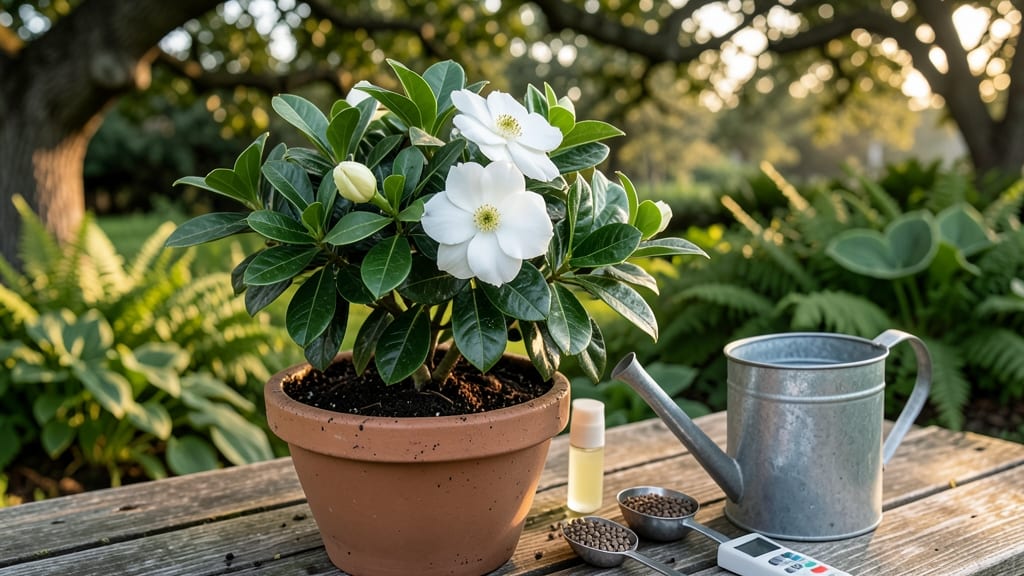
The right gardenia flower fertilizer is the secret to unlocking their signature intoxicating scent and lush blooms.
Struggling to get your gardenia to bloom with its signature intoxicating fragrance? The secret lies in feeding it the right fertilizer—one that matches its acid-loving nature and precise nutritional needs. Too much or the wrong type can actually kill those buds before they even open.
In this guide, I’ll break down the best organic and synthetic fertilizers for gardenias, including when and how to apply them for maximum impact. We’ll also cover soil pH adjustments, common mistakes that stifle blooms, and supplementary care to keep your plant thriving year-round.
Whether you’re dealing with yellowing leaves, stunted growth, or just want to boost those fragrant blooms, you’ll find out exactly what your gardenia needs to shine.

Best acid-loving fertilizers for gardenia blooms: organic vs synthetic options
Your gardenia thrives when fed with acid-loving fertilizers that match its pH 5.0-6.5 soil needs. The wrong fertilizer can stunt blooms or even kill your plant, so choosing between organic and synthetic options requires understanding their unique benefits.
Organic fertilizers like fish emulsion and peat moss build soil health slowly, while synthetic acid-forming formulas deliver quick nutrient spikes. Let’s break down the best choices for fragrant gardenia blooms.
Gardenia plants demand high phosphorus to fuel their show-stopping white flowers, but they’re sensitive to alkaline soil. Synthetic fertilizers like Miracle-Gro Azalea or Jobe’s Acid-Loving Plant Food provide NPK ratios of 8-3-12, perfect for blooms.
Organic options like composted pine bark or worm castings improve soil structure while lowering pH naturally. Both have pros—organic builds long-term health, while synthetic delivers immediate results.
| Fertilizer Type | NPK Ratio | pH Adjustment | Application Rate | Best For |
|---|---|---|---|---|
| Fish Emulsion | 5-1-1 or 2-3-1 | Slightly acidic (pH ~6.0) | 1 tbsp per gallon of water, every 4 weeks | Root growth, organic soil boost |
| Peat Moss | N/A (soil amendment) | Lowers pH to 4.5-5.5 | 1 cup mixed into soil at planting | Long-term acidity maintenance |
| Miracle-Gro Azalea | 8-3-12 | Acid-forming (pH ~5.0) | 1 tbsp per plant, every 6 weeks | Quick bloom stimulation |
| Citrus Blend Fertilizer | 6-6-6 | Acidic (pH ~5.5) | 2 tbsp per plant, every 8 weeks | Balanced growth and flowering |
| Worm Castings | 0.5-0.2-0.5 | Neutral to slightly acidic | 1 cup per plant, monthly | Soil microbes, slow-release nutrients |
For organic gardeners, fish emulsion is my top pick—it’s packed with nitrogen for leafy growth and phosphorus for blooms. Mix 1 tbsp per gallon of water and apply every 4 weeks during spring and summer.
Pair it with peat moss at planting to lock in acidic soil conditions. The downside? Organic fertilizers require more frequent applications and may not deliver instant results if your gardenia is already nutrient-deficient.
Synthetic fertilizers like Miracle-Gro Azalea are ideal for gardeners who want immediate bloom boosts. The 8-3-12 NPK ratio targets phosphorus for flowers, while the acid-forming formula keeps soil pH perfect. Use 1 tbsp per plant every 6 weeks in spring and summer. The trade-off? Overuse can lead to fertilizer burn or soil salt buildup, so always water thoroughly after application.
Seasonal timing is critical—feed gardenias in spring (March-May) to kickstart growth, then reduce feeding in summer to avoid stress. In fall and winter, skip fertilizing entirely to let your plant rest.
Pro tip: Test soil pH annually—if it creeps above 6.5, amend with sulfur or vinegar (1 cup per gallon of water) to reset acidity.
My go-to hybrid approach combines organic soil prep with synthetic bloom boosts. Start with composted pine bark at planting, then switch to fish emulsion in early spring. When buds form, switch to Miracle-Gro Azalea for 3-4 weeks to ensure maximum fragrance.
This dual strategy keeps your gardenia healthy year-round while maximizing those intoxicating white blooms.
Watch for yellowing leaves or bud drop—these are red flags for pH imbalance or nutrient deficiencies. If you see brown leaf tips, you’re over-fertilizing.
Flush the soil with water and reduce feeding frequency. For under-fertilized plants, switch to a high-phosphorus formula immediately and increase watering to help roots absorb nutrients.
Remember, gardenia care isn’t just about fertilizer—pruning and watering play huge roles too. After blooming, trim dead flowers to encourage new growth, and always water deeply in the morning to prevent fungal issues.
With the right acid-loving fertilizer and consistent care, your gardenia will reward you with lush foliage and heavenly scent for years.
🌸
Step-by-step fertilizing schedule for maximum gardenia flowering
Your gardenia’s fragrant blooms are a labor of love, and the right fertilizing schedule is the key to unlocking that signature scent. Gardenias thrive on acidic, nutrient-rich soil, but overfeeding can burn their delicate roots. My monthly plan balances growth and blooms while avoiding common mistakes.
Start with a soil pH test (ideal: 5.0–6.5) and use a slow-release, acid-forming fertilizer like a 5-10-10 blend or organic options such as fish emulsion.
Timing is everything—feed when your gardenia is actively growing, not during dormancy. Let’s dive into the step-by-step schedule that’ll transform your plant into a blooming powerhouse.
Apply 1 tbsp slow-release acidic fertilizer (e.g., citrus blend) around the base. Water deeply to activate roots. This kickstarts root and bud development for summer blooms.
Feed again with half the dose (½ tbsp) of a high-phosphorus fertilizer (e.g., 10-20-10) to support flowering. Avoid synthetic fertilizers—opt for organic compost tea to prevent salt buildup.
Switch to a balanced acidic fertilizer (e.g., 6-6-6) to replenish nutrients. Lightly top-dress with peat moss to maintain soil acidity. Prune spent blooms to encourage new growth.
Reduce feeding to ¼ tbsp every 6 weeks to avoid fertilizer burn. Focus on watering (deep soaks) and mulching with pine needles to retain moisture and acidity.
Stop fertilizing 6–8 weeks before frost. Let your gardenia harden off naturally. Add a 2-inch layer of compost to enrich soil for next year’s blooms.
No fertilizer needed. Focus on light pruning and minimal watering (every 2 weeks). Protect from frost with burlap wraps if in colder zones (Zone 6a).
Consistency is key—stick to this schedule, and your gardenia will reward you with abundant, fragrant blooms year after year. Remember, organic options like compost tea or peat moss are gentler on roots than synthetic fertilizers. Always water before applying fertilizer to prevent root burn.
Pro tip: Pair this schedule with regular pruning (after blooming) to encourage airflow and bushier growth. Avoid cutting into old wood, as gardenias bloom on new growth. With patience and the right care, your gardenia will become the fragrant star of your garden. 🌸