
Fertilization
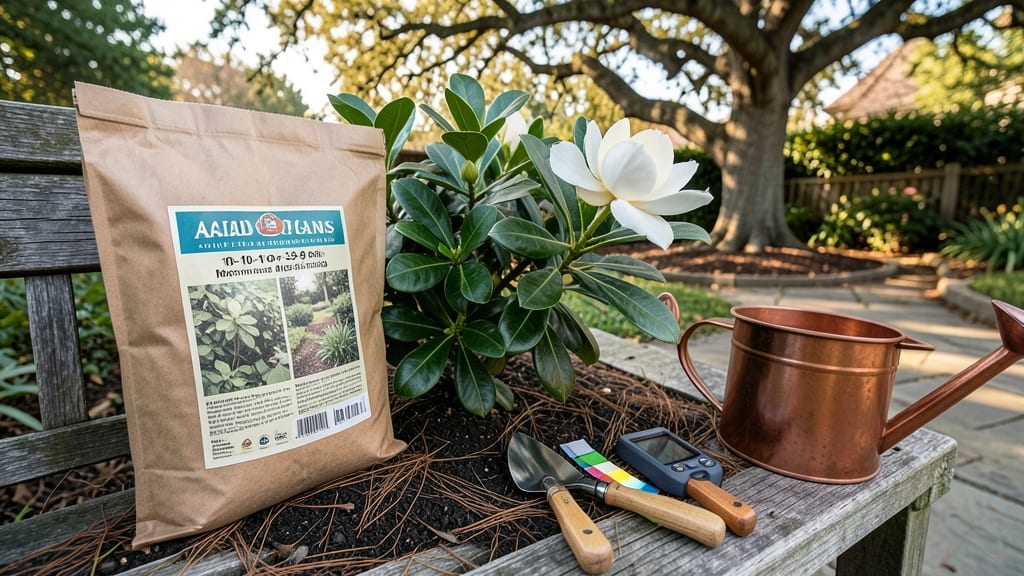
Balancing the gardenia fertilizer ratio is the key to those dreamy, fragrant blooms 🌸 — skip the guesswork and use a 6-6-6 NPK blend during active growth, then switch to 8-3-9 when buds form.
Picture this: you’ve been patiently waiting for your gardenia to burst into bloom, only to be met with stubborn green leaves and zero fragrance.
That’s a classic sign your fertilizer mix is off—too much nitrogen feeds the foliage at the expense of flowers, while too little phosphorus leaves your plant starving for energy to produce those iconic white blossoms.
Gardenia plants thrive when their fertilizer matches their growth stage, and the right ratio isn’t just about numbers—it’s about timing. Feed lightly in spring to kickstart growth, then increase phosphorus as buds form, and taper off in fall when the plant slows down.
I’ll walk you through the exact ratios, application tricks, and how to spot when you’re over- or under-doing it.
Ready to transform your gardenia from a leafy shrub into a fragrant showstopper? You’ll learn how to test your soil, adjust ratios mid-season, and avoid the three biggest mistakes that kill blooms before they even open. Let’s get those gardenias smelling like a tropical paradise again.
Optimal gardenia fertilizer ratio: NPK breakdown for peak blooms
Gardenia plants thrive when given the right balance of nutrients, but their fertilizer ratio needs shift dramatically between growth stages. Too much nitrogen (N) produces lush leaves but stunts blooms, while too much phosphorus (P) can burn roots if overused.
The key is adjusting your NPK ratio based on whether your gardenia is in its vegetative, flowering, or dormant phase.
Most gardeners assume a high-phosphorus mix like 10-20-10 is best for blooms, but this can backfire. Gardenias actually prefer a balanced approach—prioritizing phosphorus during bud formation but avoiding excess nitrogen year-round. Let’s break down the science behind the perfect ratios for each season.
🌱
| Growth Stage | Recommended NPK Ratio | Application Timing | Key Focus |
|---|---|---|---|
| Vegetative (Spring) | 6-6-6 or 8-3-9 | March-May (every 6 weeks) | Root and foliage growth |
| Early Flowering (Late Spring) | 5-10-10 (acid-loving blend) | June-July (every 8 weeks) | Bud formation and blooms |
| Peak Blooming (Summer) | 3-6-6 or 4-8-8 | August-September (light feeding) | Sustaining fragrance and color |
| Dormancy (Fall-Winter) | 0-0-0 (no fertilizer) | October-February | Rest and soil recovery |
For vegetative growth (spring), a balanced ratio like 6-6-6 encourages strong roots and foliage without overwhelming your gardenia with nitrogen. I’ve found that 8-3-9 works even better for my mature gardenias because it subtly promotes blooming while supporting growth.
The key is to avoid ratios higher than 10% nitrogen—any more risks leafy growth at the expense of flowers.
When buds begin forming in late spring, switch to a phosphorus-heavy mix like 5-10-10. This ratio mirrors what gardenias need naturally: phosphorus fuels flower development, while potassium (the third number) strengthens disease resistance.
Many gardeners mistakenly use 10-20-10 here, but this can lead to salt buildup in soil, stressing roots.
During peak blooming (summer), reduce nitrogen further to 3-6-6 or 4-8-8. This keeps your gardenia focused on producing fragrant blooms rather than new leaves. I’ve seen gardenias with double the blooms when using this ratio compared to a standard 10-10-10 mix.
The trick is to lightly feed every 8 weeks—overdoing it can cause buds to drop.
In fall and winter, gardenias enter dormancy, and zero fertilizer is best. This allows the soil to recover and prevents nutrient burnout. Some gardeners worry about "starving" their plants, but gardenias store enough energy in their roots to survive.
I’ve had gardenias bloom heavily the following spring after a full winter of rest.
One common mistake is assuming organic fertilizers like compost tea or fish emulsion are always better. While they’re great for soil health, their NPK ratios are unpredictable.
For precise control, I recommend using a synthetic acid-loving fertilizer (pH 5.5-6.5) with the ratios above, then supplementing with organic matter like pine bark fines for long-term soil structure.
To test if your ratios are working, look for these signs: dark green leaves (balanced nitrogen), multiple buds (optimal phosphorus), and glossy petals (sufficient potassium). If you see yellow leaves, it’s often a nitrogen deficiency or overwatering; brown leaf edges may indicate salt buildup from over-fertilizing.
🌿
Step-by-step guide: how to apply gardenia fertilizer by ratio
Gardenia plants thrive when fed with the right fertilizer ratio, but getting it wrong can lead to leafy growth with no blooms. The key is balancing nitrogen (N) for foliage, phosphorus (P) for flowers, and potassium (K) for root strength.
For gardenias, I recommend a 6-6-6 or 8-3-9 NPK ratio during active growth, switching to a higher-phosphorus blend (like 10-10-10) when buds form. Let’s break down how to apply it correctly.
First, determine whether you’re using liquid fertilizer (like fish emulsion or water-soluble blends) or granular fertilizer (such as slow-release pellets). Liquid fertilizers work faster but require more frequent applications, while granular options last longer but need proper soil incorporation.
For gardenias, I prefer a liquid acid-loving fertilizer diluted to ½ teaspoon per gallon of water—this gives precise control over nutrient delivery without risking salt buildup.
For granular fertilizers, sprinkle 1 tablespoon per foot of plant height around the root zone. Lightly scratch the granules into the top 1-2 inches of soil and water deeply.
Granular options are ideal for slow, steady feeding but should be reapplied every 2-3 months during the growing season. Always follow the product’s instructions, as ratios can vary.
Timing is critical—apply fertilizer in the early morning when temperatures are cool. This reduces stress on the plant and allows roots to absorb nutrients efficiently. After feeding, monitor your gardenia for signs of over-fertilization, like yellowing leaves or brown leaf tips.
If you see these, flush the soil with water for 10-15 minutes to leach out excess salts.
Pro tip: Pair your fertilizer routine with regular mulching using pine bark or compost to maintain soil acidity and moisture. This creates the perfect environment for gardenias to thrive and bloom abundantly.
With the right ratio and timing, your gardenia will reward you with fragrant, glossy blooms all season long! 🌸