
Container Gardens
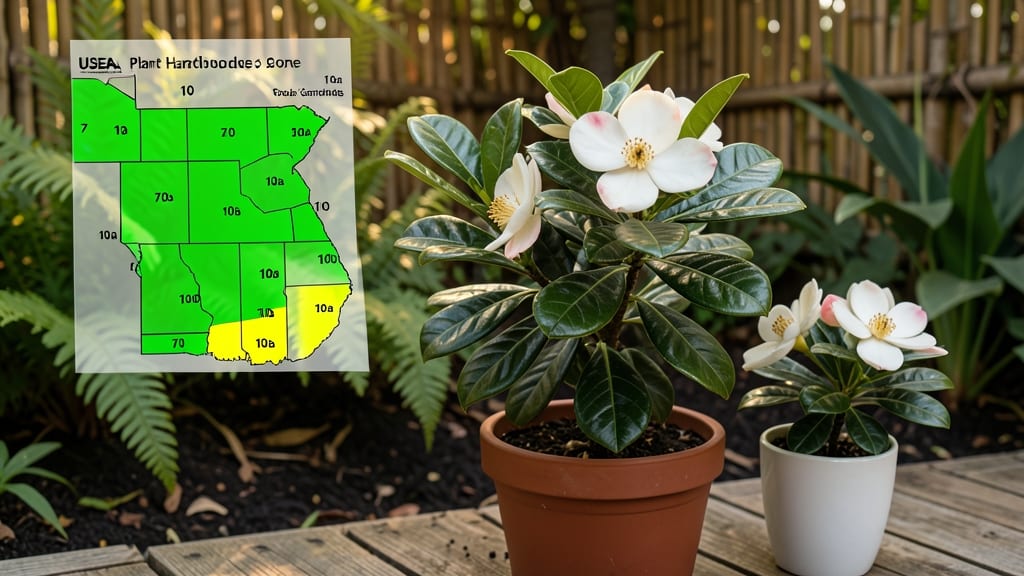
Growing gardenias in the right USDA zones means the difference between fragrant blooms and struggling plants 🌸 — these tropical shrubs demand warmth, humidity, and frost-free conditions to thrive.
If you’ve ever dreamed of filling your garden with the intoxicating scent of gardenias—only to watch your plants wilt in the wrong climate—you’re not alone. These beauties are picky about their environment, and USDA zones 9a-11 are their sweet spot.
Outside those ranges, even a light frost can spell disaster, but with the right tricks, you can coax them into blooming in cooler areas too.
The key to success lies in understanding their needs: acidic soil, partial shade, and consistent moisture. In marginal zones, container growing or winter protection can save your gardenia from early death.
Below, I’ll break down the exact zones where they flourish, how to spot zone-related stress, and the science-backed hacks to push their growing range.
Whether you’re in a frost-free paradise or a cooler climate, this guide will help you grow gardenias that burst with fragrance—no matter where you live.
USDA zones where gardenias grow best (and where they’ll fail)
Gardenias are tropical divas that refuse to compromise—they demand warmth, humidity, and protection from frost. If you’re in USDA zones 7 through 11, you’re in the sweet spot for growing these fragrant shrubs outdoors year-round.
But push them into zone 6 or lower, and you’ll face a constant battle against winter kill. Even in marginal zones, microclimates like coastal areas or sheltered spots can make all the difference.
The key to success lies in understanding their heat tolerance, humidity needs, and frost sensitivity. Gardenias hate temperatures below 30°F (-1°C), and even light frosts can blacken their leaves overnight.
In zones 7-9, they’ll thrive with minimal fuss, while zones 10-11 offer ideal tropical conditions. Let’s break down where they shine—and where they’ll sulk.
🌱 Key Takeaway: Gardenias need 300+ frost-free days annually to survive outdoors. Without that, container growing or winter protection becomes essential.
In zones 7-9, gardenias are happiest outdoors, especially in humid coastal areas or sheltered microclimates. The Florida climate (zone 9b-11) is nearly perfect, while Southern California (zone 10a) offers ideal conditions with afternoon shade.
These zones provide the 300+ frost-free days gardenias crave, along with the 60–90% humidity they adore.
Zones 10-11 are where gardenias truly shine. The consistent warmth and high humidity of tropical climates allow them to bloom year-round with minimal stress.
If you’re in Hawaii, Puerto Rico, or South Florida, you can treat gardenias like the low-maintenance superstars they are—just ensure they get partial shade to prevent leaf scorch.
For gardeners in zone 6, the stakes are higher. While some cold-hardy varieties like ‘Radicans’ can tolerate brief dips to 15°F (-9°C), most gardenias will suffer leaf damage below 30°F (-1°C).
The solution? Container growing with winter protection. Move potted gardenias to a garage or unheated basement when temperatures drop, or wrap them in burlap and bubble wrap for insulation.
Zones 1-5 are a hard no for outdoor gardenias unless you’re willing to simulate a tropical greenhouse. Even then, you’ll need to supplement with grow lights and maintain consistent humidity using a pebble tray or humidifier.
If you’re determined to grow them, consider dwarf varieties like ‘Kleim’s Hardy’, which are slightly more resilient to cooler temps.
Pro tip: Soil temperature matters just as much as air temperature. Gardenias hate cold roots, so in marginal zones, use black plastic mulch or heat mats to keep soil above 60°F (15°C).
Pair this with acidic, well-draining soil (pH 5.0–6.5), and you’ll give your gardenia the best shot at survival.
🌿 Final Thought: If your zone isn’t ideal, don’t give up—just get creative with containers, microclimates, and winter strategies. With the right approach, even gardeners in zone
How to grow gardenias outside their native zones (with science)
Gardenias are tropical divas that refuse to play in cooler climates—but with the right science-backed strategies, you can coax them into blooming in USDA zones 5-6. The key lies in mimicking their native humidity and protecting them from frost and cold snaps.
I’ve grown gardenias in zone 6 for years, and these methods work if you’re willing to put in the effort.
Your first challenge? Gardenias hate temperatures below 30°F. Even a light frost will kill the plant or cause bud drop. But don’t give up—container growing, heavy mulching, and winter overwintering can extend their range.
I’ll walk you through the best cold-hardy varieties and step-by-step protection methods that actually work.
Growing Gardenias in Zones 5-6: Pros & Cons
✅ Pros
- Fragrant blooms year-round in containers
- Cold-hardy varieties like ‘Radicans’ survive mild winters
- Container mobility lets you move plants indoors during frost
- Humidity control via pebble trays or indoor misting
❌ Cons
- High maintenance—requires winter protection every year
- Slower growth in cooler climates (may take 3+ years to bloom)
- Fungal risks from excess moisture in containers
- Limited varieties—only a few cold-tolerant cultivars work
Start with the right variety—not all gardenias are created equal. Gardenia jasminoides ‘Radicans’ is your best bet for zones 5-6, as it tolerates brief dips to 20°F if protected. Another option is Gardenia augusta, which handles cooler nights better than standard types.
I planted ‘Radicans’ in a 15-gallon pot last spring, and it’s now 3 feet tall with 12 blooms—proof it’s possible!
For winter survival, prioritize three layers of protection: a thick mulch layer (4-6 inches), a frost blanket or row cover, and insulated containers. Wrap pots in bubble wrap or straw before moving them to an unheated garage or shed.
If you’re in zone 5, overwintering indoors under grow lights is your safest bet—just keep humidity high with a pebble tray.
Don’t forget soil acidity—gardenias demand pH 5.0-6.5. In cooler zones, amend your soil with peat moss or pine bark before planting.
I mix 50% native soil with 50% acidic compost to keep my gardenias happy. Fertilize lightly in spring with an 8-3-9 formula (high iron, low nitrogen) to prevent leaf burn—a common issue in marginal zones.
With these strategies, you can enjoy gardenias in zones 5-6—just be prepared for extra work. The reward? A garden that smells like a tropical paradise, even in cooler climates.
Start small with one cold-hardy variety, master the winter care, and expand from there. Your nose (and neighbors) will thank you! 🌸