
Planting
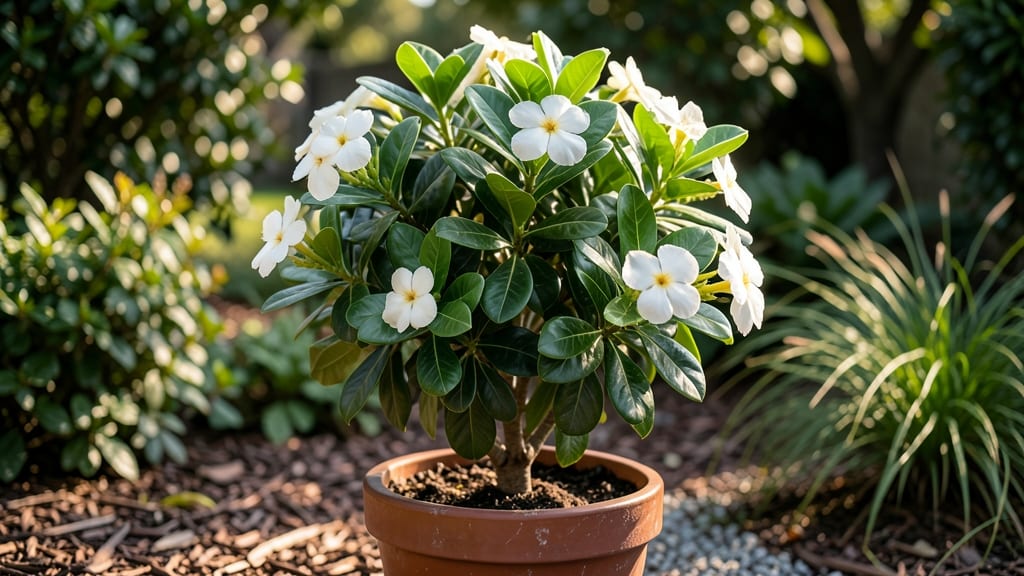
Gardenia hardy zones are USDA zones 8 through 11, where winter temperatures stay above 10°F (-12°C) to prevent leaf damage and dormancy. Cold-sensitive gardenias need winter protection in marginal zones like 7b through mulching or container cultivation.
Understanding gardenia hardiness means recognizing their delicate balance with cold. 🌿 These tropical beauties thrive in warm climates but struggle when temperatures dip below 30°F (-1°C), triggering leaf drop and bud failure.
In zones 7 and below, gardenias may survive brief cold snaps but often enter dormancy, losing their lush foliage and blooms. The key to extending their range lies in creating microclimates—whether through heavy mulching, frost blankets, or moving potted plants to sheltered locations during winter.
For gardeners in cooler regions, selecting cold-tolerant varieties like 'Radicans' can make a difference, though no gardenia is truly frost-resistant. Soil amendments with compost also help roots withstand temperature fluctuations.
The bottom line? Gardenias reward patience—with the right care, they can bloom even in marginal zones, turning your garden into a fragrant oasis. ✨
💡 In This Article
- Gardenia Cold Tolerance Limits Explained
- Extending Gardenia Growing Zones: Practical Protection Methods
Gardenia cold tolerance limits explained
Gardenia plants are tropical natives, and their cold sensitivity stems from their evolutionary adaptation to warm, humid climates. When temperatures drop below 30°F (-1°C), their cellular membranes begin to rupture—a process called "cold acclimation failure."
This damage triggers a cascade of stress responses, including the production of ethylene gas, which accelerates leaf senescence (aging) and causes the iconic gardenia leaf drop. The roots, too, suffer when soil temperatures fall below 40°F (4°C), disrupting nutrient and water uptake.
The real damage threshold occurs at 25°F (-4°C), where frost forms on leaves and stems, leading to irreversible tissue death. In zones 7 and below, gardenias often survive brief cold snaps but enter a defensive dormancy state, shedding leaves to conserve energy.
What's fascinating is how gardenias prioritize survival: they'll drop leaves before allowing buds to freeze, which explains why even well-established plants may go bare in winter. The recovery threshold sits around 50°F (10°C)
This cold sensitivity isn't just about temperature—it's about duration. A single night at 28°F (-2°C) might cause minor damage, but prolonged exposure below 32°F (0°C) triggers systemic shock. That's why gardeners in marginal zones need to monitor both minimum temperatures and frost duration. For example, a 3-day freeze at 30°F (-1°C) will devastate a gardenia more than a 1-night dip to 28°F (-2°C). The plant's waxy leaf coating helps retain moisture but offers little insulation against prolonged cold. Here's what happens at different temperature ranges:
The most vulnerable parts are the evergreen leaves and new growth, which lack the protective lignification of mature stems. Even in zones 8-11, gardenias can suffer if exposed to unexpected late frosts (common in spring) or microclimates like valley bottoms where cold air pools. What's surprising is how quickly gardenias can recover from mild cold damage—given 2-3 weeks of stable temperatures above 60°F (15°C), they'll often regrow leaves and even produce new blooms, though not as prolifically as undamaged plants. For gardeners pushing the limits, understanding these thresholds helps with strategic placement. A gardenia planted near a south-facing wall or under eaves might survive a 28°F (-2°C) night when an exposed plant would suffer. The key is creating that 5-10°F (3-5°C) temperature buffer through thoughtful landscaping—a principle used in Mediterranean climates to extend growing seasons. 🌱